Pénzügyi tudatosság és spórolás
Hidden household expenses: 12 costs worth reviewing
Forgotten subscriptions, unused services, wasted food and extra purchases prompted by special offers: a practical checklist for spotting unnecessary spending and creating a manageable household budget.
2026-11-17 · 5 min read

When reviewing your household budget, the biggest bills are not necessarily the best place to start. A more useful first question may be which expenses provide products or services your household actually uses, or experiences that matter to you. The following twelve checks can help distinguish costs paid out of habit from spending you consciously choose.
First, make it clear where the money goes
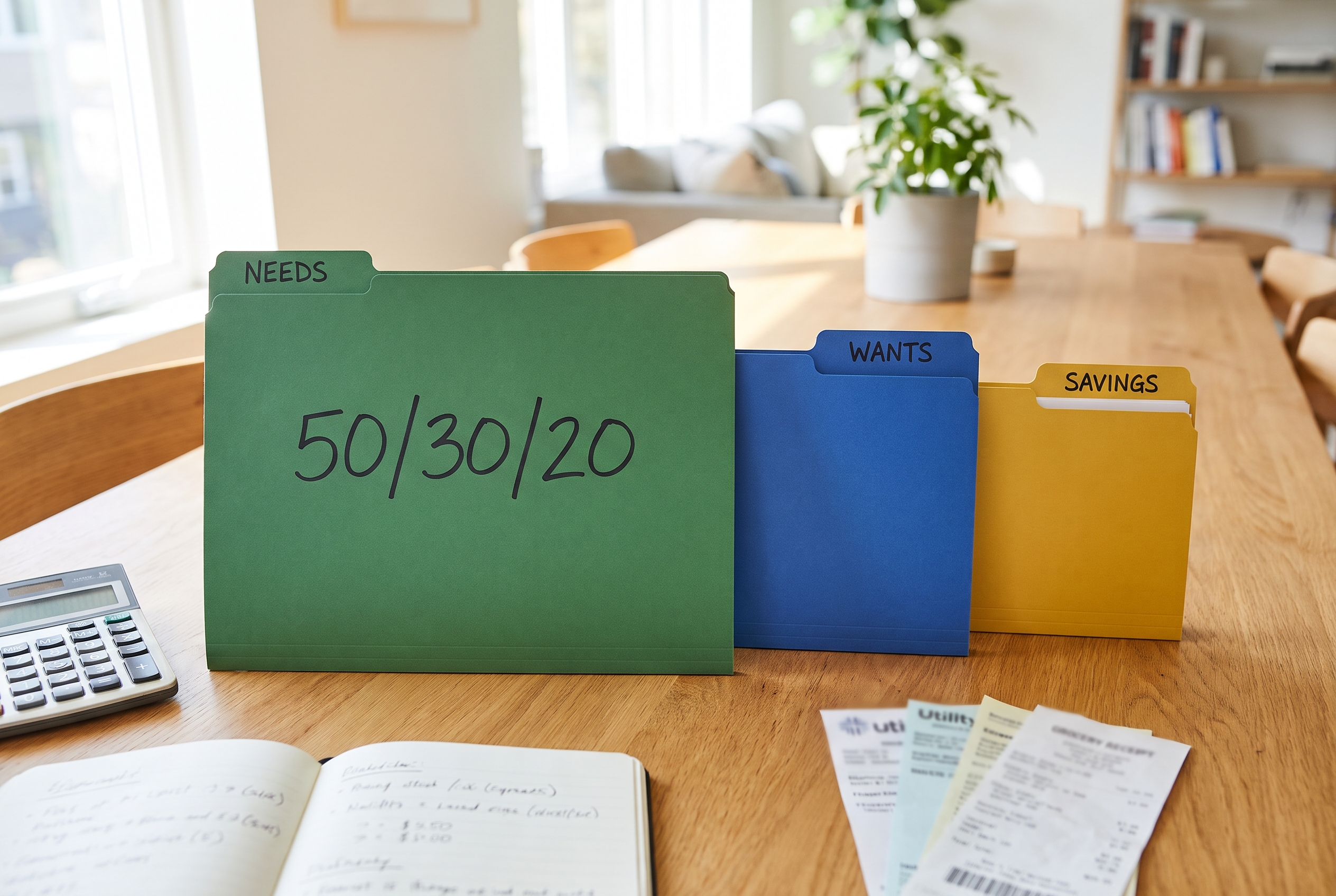
According to the Hungarian National Bank’s (MNB) guidance on household budgeting, distinguishing between fixed and variable expenses is important for planning. A useful starting point is to bring together your bank transaction history, records of cash purchases and regular bills. There is no need to create a complicated system straight away: a notebook or simple spreadsheet can work.
You can give each item a short label: essential, flexible or needs checking. This is not a value judgement: money spent on leisure can also be a conscious choice. The question is whether the expense fits your household’s means and priorities.
According to the MNB’s guide to assessing your financial situation, spending 15–20 minutes a month reviewing your finances could produce direct monthly savings of 15,000–20,000 forints. This is a possibility, not a promise that applies to every household: which expenses can be cut depends on individual circumstances.
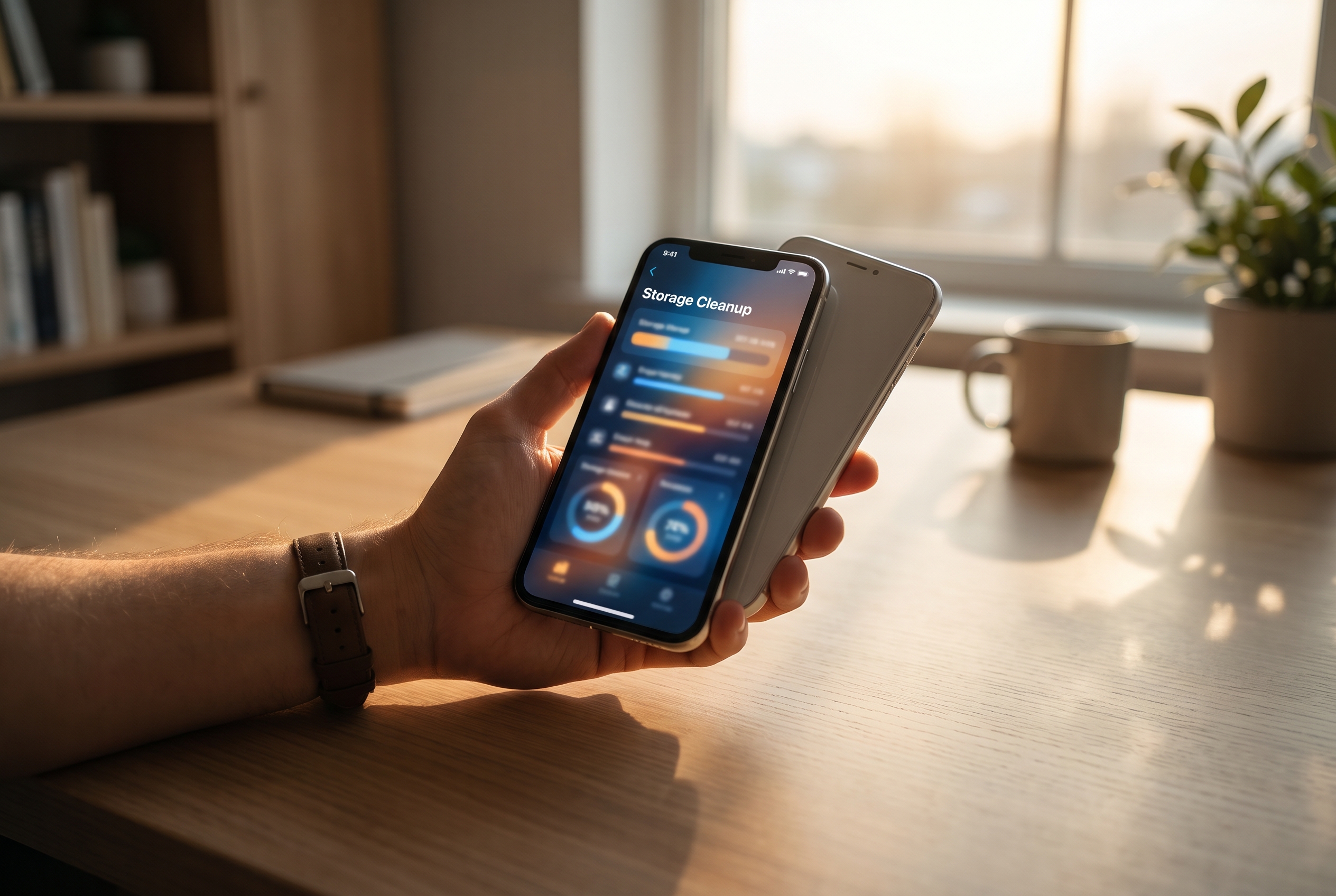
1. Unused digital subscriptions
It is worth listing recurring charges for digital services separately and noting when anyone last used each service. For items you are unsure about, this question may help: if you were subscribing for the first time today, would you make the same decision? Before cancelling, check the service’s terms and any personal content you may have stored there.
2. Overlapping services
It is worth reviewing subscriptions alongside one another, not just individually. This comparison can be particularly useful when several services serve a similar purpose, such as entertainment or file storage. The aim is not necessarily to cancel them all: simply understanding what you need each one for is also a useful outcome.
3. Forgotten trial periods and renewals
When trying a new service, it can help to note the trial’s end date and the subsequent fee straight away. For existing services, review your account settings and confirmation emails. A calendar reminder can then prompt a conscious decision about whether you need to continue, rather than an automatic cancellation.
4. Bank account charges that do not match your usage
Bankmonitor’s articles on saving money discuss reviewing bank account packages and transaction fees as another potential area for savings. For your own review, collect the bank charges shown on your statements and consider which services the account holder actually uses. Before switching packages, it may be worth comparing the full fee structure and eligibility conditions, rather than just an advertised monthly fee.
5. Underused mobile and internet packages
It is useful to compare your latest bills with your actual usage figures. Are there any add-on services you no longer need, and would another package suit your current habits? Before switching or cancelling, clarify your contract’s terms, any associated discounts and any additional costs that may apply.
6. Insurance costs that have not been reviewed
When reviewing insurance, it is not worth focusing solely on finding a lower premium. A more useful question is which risks the policy covers and whether it still suits your current circumstances. If the terms or any potential overlaps are unclear, it may be advisable to ask your insurer or a suitably qualified professional for information before making changes.
7. Unplanned purchases prompted by special offers
With special offers, it is worth separating the discount from the question of whether you need the product at all. A useful check is to ask whether it would have been on your shopping list without the special-offer label. If not, postponing the purchase can give you time to reconsider the need, particularly before a larger expense.
8. Larger packs with no clear plan for using them
When comparing pack sizes, consider likely use as well as the unit price. The question is not just how much a particular quantity costs, but whether you will use it all, have room for it and genuinely want that product in your household. If the answers are uncertain, choosing a smaller quantity may be worth considering.
9. Wasted food and overlooked supplies
According to the household survey conducted by Nébih’s Maradék nélkül food waste prevention programme, some food waste results from avoidable wastage. For your own review, note which foods end up in the bin and why: too much was prepared, something was forgotten, or it was never particularly popular. You can use these observations to shape your next shopping list, alongside a check of the food you already have at home.
10. Ordering food without checking the total
When ordering, check the final amount payable and compare it with the budget you have set aside. There is no need to eliminate every convenience expense: you can decide in advance when the convenience of ordering matters to you. For purchases started out of habit that you are unsure about, however, it can help to pause before paying.
11. Adding to your basket to qualify for a discount
If an online shop makes a discount conditional on buying more, compare the total cost of your original basket with the expanded one. A separate question is whether you would need the additional item in its own right. Your decision can then be based on the total cost of the purchases you actually want, rather than on securing the discount.
12. Occasional expenses left out of the monthly plan
The MNB’s guide to assessing your financial situation also recommends planning a year ahead to manage seasonal expenses. It is therefore worth making a separate list of expected spending on gifts, travel, the start of the school year and other periodic items. These are not necessarily unnecessary costs: the task is to make room for them in the budget in advance.
A short checklist for your first review
You do not need to make changes in every area at once. Start with items that are clearly unused or whose terms are easy to clarify. Contractual and insurance questions may need further investigation.
- Have you gathered your recurring charges and cash spending records?
- Can you identify services you no longer use?
- Do you know the terms for making changes or cancelling?
- Do you have a clear picture of your food supplies at home?
- Are planned purchases distinguishable from spontaneous ideas?
- Does the plan include periodic expenses?
- Have you noted when to review the results of your changes?
At your next review, look not only at the cuts you planned but also at the spending you actually avoided. Has another expense replaced the fee for a cancelled service, and has the change remained manageable? This can make your budget a plan that adapts to your household’s habits, rather than a one-off list of restrictions.
The aim is conscious choice, not giving up every pleasure
Useful spending cuts start with recognising what matters and what remains purely out of habit. The points presented here are general information, not personalised financial advice; for specific banking or insurance decisions, refer to your own contract and, where necessary, seek guidance from a suitably qualified professional.
Sources used
- 1.Magyar Nemzeti Bank - Pénzügyi tervezés és háztartási költségvetésmnb.huverified
- 2.Nébih Maradék nélkül - Háztartási élelmiszerhulladék felmérés 2022maradeknelkul.huverified
- 3.MNB - Így mérje fel pénzügyi helyzetétmnb.huverified
- 4.Bankmonitor - Spórolási tippek és cikkekbankmonitor.huverified
- 5.KSH - Jövedelem és fogyasztás statisztikákksh.hu
- 6.Financera - Családi költségvetés útmutatófinancera.hu
- 7.Pénzügyes - Három kassza kalkulátorpenzugyes.app
These sources were used during our editorial fact check.