
Gazdaság
Laurel e-cash register: NAV approval and two deadlines
According to Laurel's guidance, different deadlines apply to commissioning new tills and replacing those already in use. The B002 licence is also a significant development for the transition of self-service checkouts.
2026-11-20 · 4 min read
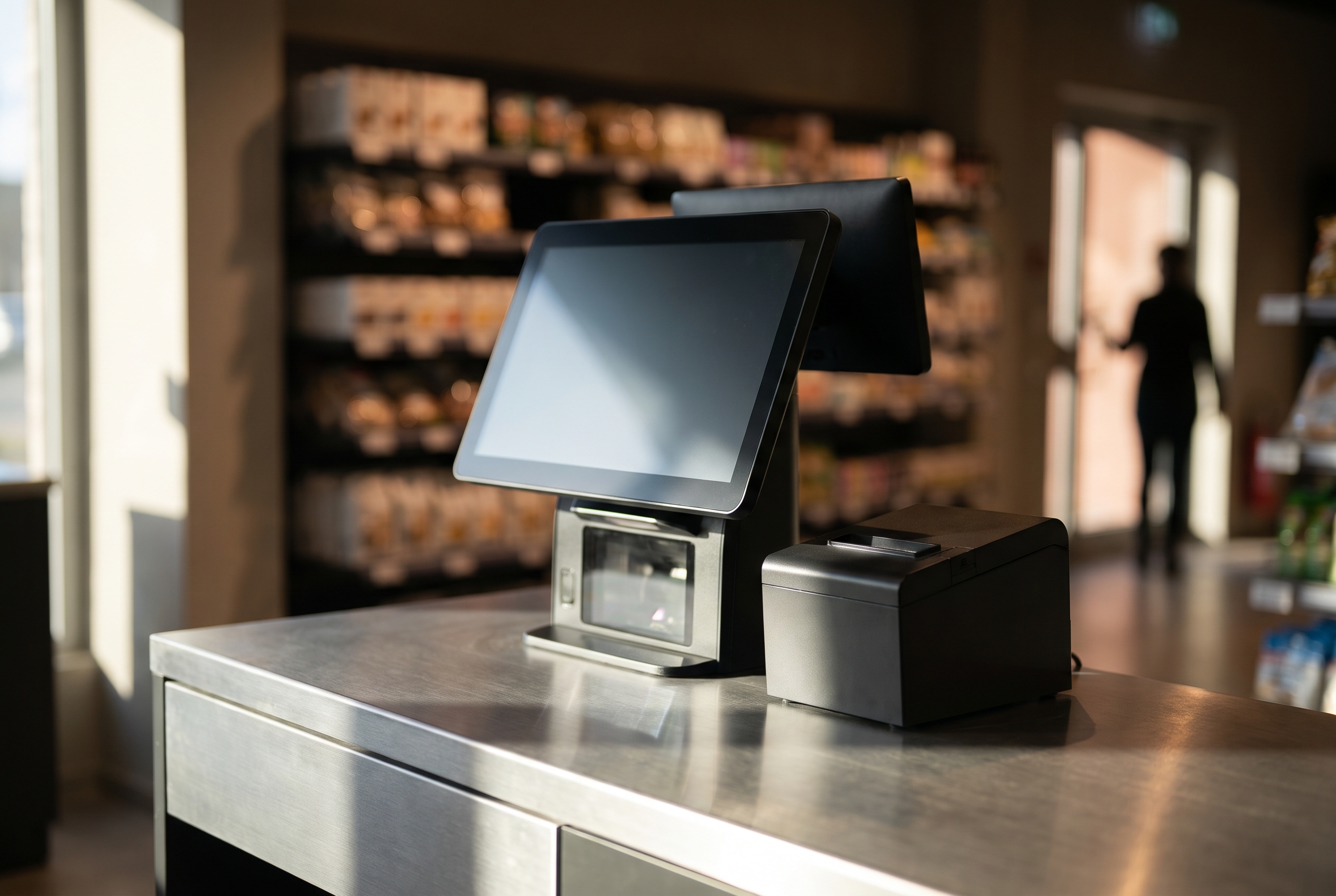
Laurel is listed in the Hungarian National Tax and Customs Administration's (NAV) register of authorised products with a hardware-based e-cash register also approved for self-service checkout operation. For businesses, however, the key issue alongside the approval is the distinction between the deadlines: according to Laurel's guidance, 31 December 2026 is the deadline for commissioning new conventional online cash registers, while 1 July 2028 is the date specified for the final transition of existing machines. Confusing the two dates could lead to unnecessary haste or poorly timed purchases.
The B002 licence also matters for self-service checkouts
According to NAV's register of marketing authorisations, Laurel Számítástechnikai Kft.'s hardware-based e-cash register, licensed under number B002, is also suitable for self-service checkout operation. According to the company's own product information, the central component of the solution is a fiscal unit called LR AE.
This does not mean that every shop must choose this product, or that the approval immediately makes every till due for replacement. This particular authorisation concerns a specific solution; when a business makes a purchasing decision, selecting the right system and timing the transition are separate considerations.
The year-end date does not mean a general shutdown of existing tills
Laurel's guidance summarises the rules as allowing conventional online cash registers to be commissioned for the last time on 31 December 2026, with only e-cash registers eligible for new commissioning from 1 January 2027. The company gives 1 July 2028 as the deadline for the final phase-out of online cash registers already in use.
Based on this guidance, commissioning a new device and continuing to use an existing one must therefore be treated separately. The year-end date alone does not mean that every current online cash register must be replaced by then. Equally, the later final transition date does not mean that a conventional machine can still be chosen under unchanged conditions for a new purchase that becomes necessary in the meantime.
The interpretation of the deadlines presented here is general information, not individual tax or legal advice. Before a specific purchase or replacement, it is advisable to consult NAV's current guidance and a professional familiar with the business's circumstances.
Shop openings and till replacements need particular attention
According to the specialist website NO ROAMING's interpretation, the deadline for commissioning new machines most directly affects those opening or expanding a shop in 2027, or seeking to replace a faulty till. In these situations, it is not enough to consider only the later phase-out date for existing machines.
For a planned shop opening, it may therefore be useful to specify the intended opening date and the role of the tills when requesting a quotation. A single service counter, several conventional tills and self-service checkouts may each involve different requirements. This allows options to be compared not just by the device's name, but also by how well they fit the intended operation.
It is also worth discussing possible solutions with the service provider in advance in case of a breakdown. Useful questions include which repair or replacement options might be available, and what preparation would be needed to commission a new device. This is a matter of preparation, not a claim that every breakdown automatically requires a complete system replacement.
Not every transition means replacing the entire checkout system
According to Laurel's product description, its solution allows existing checkout infrastructure to be retained. This is an important part of the company's technical offering, but it does not mean that any old cash register or checkout software can automatically be converted. Each shop's equipment and software need to be assessed individually.
When requesting a quotation, it is therefore advisable to list the types of tills in use, the checkout software, connected equipment and any self-service requirements. The provider can then be asked for a written technical proposal based on this information. This can make it clearer what can be retained, what needs modification and what the provider recommends replacing.
Retaining existing equipment does not, on its own, reveal the total cost of the transition. To obtain comparable quotations, it is worth asking for hardware, software work, installation, training and the terms of ongoing support to be itemised separately. Savings should only be expected once the full costs of the specific alternatives are known.
E-receipts also affect checkout workflows
According to Laurel's description, the new system automatically sends e-receipts to NAV's receipt repository, with a paper copy printed at the customer's request. Fortal's report also highlights the growing prominence of digital receipts. This described process is not the same as simply removing the option of a paper receipt.
When planning the transition, it is therefore worth working through everyday situations as well as demonstrating the user interface. These might include requests for a paper copy, informing customers, or where cashiers can find help in an unfamiliar situation. Training covering these issues can be requested alongside the technical handover.
More than 200,000 machines does not mean the same number of businesses
According to Világgazdaság's report, the change affects more than 200,000 online cash registers in Hungary. This is a count of devices, not businesses: a shop or retail chain may operate several cash registers. It is therefore inaccurate to present the figure as the same number of affected business owners.
The scale of preparation may vary accordingly. For a single shop, the main questions may be whether its till meets the requirements and how to organise the transition; across several sites, coordinating assessments, testing and roll-outs may require separate planning. A useful starting point is an equipment inventory and a list of openings and expansions planned for the coming period.
The next step depends on the business's circumstances
The key distinction is therefore between commissioning a new till and transitioning a machine already in use at a later date. Based on the deadlines published by Laurel, an upcoming shop opening may call for different preparations from modernising the checkout system of a shop continuing to operate as before. The practical next step is to assess the equipment, request a quotation tailored to the specific operation and consult a professional about the applicable conditions — not to issue a blanket instruction to replace every till in the same way.
Sources used
- 1.Nemzeti Adó- és Vámhivatal - Forgalmazási engedélyeknav.gov.huverified
- 2.Laurel e-pénztárgép és eNyugta megoldáslaurel.huverified
- 3.Figyelmeztet a NAV: Lassan lépsz, online pénztárgép használója?vg.huverified
- 4.E-pénztárgépek a nagy láncoknak: 2028 már későfortal.huverified
- 5.December 31.: Eddig lehet új online pénztárgépet üzembe helyezninoroaming.huverified
- 6.E-pénztárgép kisokos és útmutató 2026billingo.hu
- 7.Engedélyezett e-pénztárgépek jegyzékee-penztargep.info
These sources were used during our editorial fact check.