
Egészségügy
Syphilis screening: nationwide maternity unit rollout
Free rapid tests are becoming available at maternity units across Hungary, according to the NNGYK. Together with repeat screening during pregnancy, the programme could help prevent congenital syphilis.
2026-11-21 · 4 min read
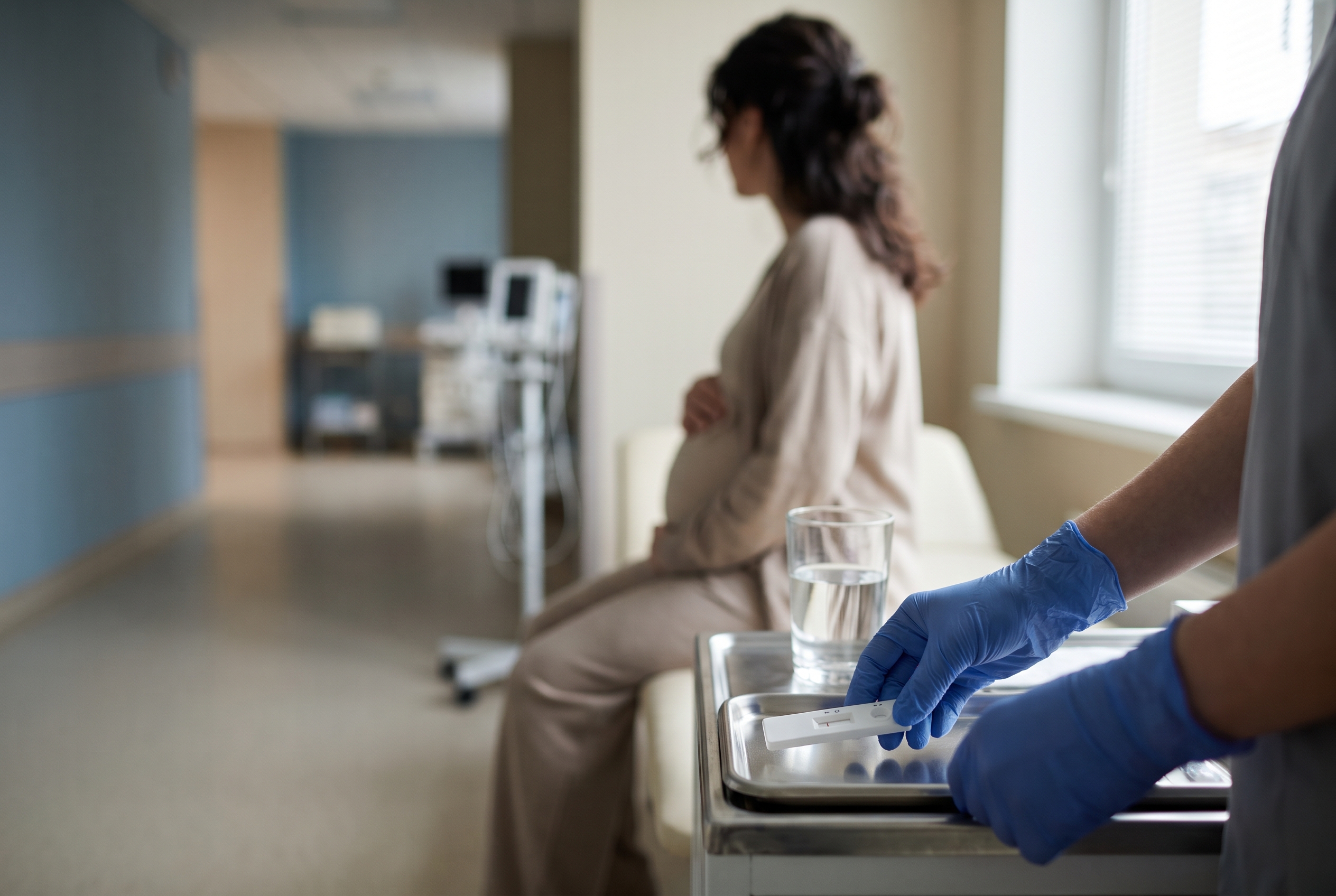
A rapid syphilis test that provides results within half an hour is becoming available at every maternity unit in Hungary, according to the NNGYK. Healthcare facilities will receive the tests free of charge, and testing can also be carried out at the time of childbirth. The initiative aims to minimise the time between detecting the infection and starting care.
A statement issued by Semmelweis University on 19 November 2026 sets out the details of the screening programme. The newly announced rapid test in maternity units and repeat testing during antenatal care are not the same: they can help detect infection at different stages of prevention.
Case numbers are bringing prevention into sharper focus
Preventing mother-to-child transmission is central to preventing congenital syphilis. According to an NNGYK statement, standardised national guidance has been issued to support this effort. The aim is therefore not simply to carry out more tests, but to ensure that detection is followed by coordinated care.
The same public health statement reports a continuing rise in congenital syphilis cases since 2021. According to NNGYK figures, 91 cases were registered in 2025, while 100 had already been recorded in the first eight months of 2026. More cases were therefore reported during this part of the current year than in the whole of the previous year; however, this alone cannot provide an accurate prediction of the year-end total.
These are national surveillance figures, not risk estimates for any individual pregnancy. Their significance lies in showing why more consistent screening and faster care have become priorities. Assessing a particular test result or personal situation is a separate medical task.
Repeat screening during pregnancy and rapid testing serve different purposes
Reports about changes to the antenatal testing schedule appeared before the programme was outlined in November. According to a September article by HVG, repeat syphilis screening between weeks 24 and 28 of pregnancy became mandatory from 1 September 2026, alongside first-trimester screening. The publication therefore described the addition of another testing point, rather than the replacement of the existing test.
By comparison, the rapid test in maternity units provides another opportunity to detect infection within hospital care, according to the NNGYK's November announcement. The two measures should therefore not be understood as alternatives to one another. The antenatal testing schedule and the test available at childbirth form part of care at different stages.
For families, the practical question is which tests have already been carried out and which still need to be scheduled. Reviewing antenatal records together can help clarify this. Individual testing schedules should be discussed with the healthcare professional providing care, rather than relying solely on the existence of an earlier result.
Those who began antenatal care earlier may also need to catch up on screening
According to a report by 24.hu, the change also affects pregnancies for which antenatal care began before 1 September 2026: in these cases, the screening scheduled for weeks 24–28 must be caught up on at the next medical appointment. This is the general procedure described by the publication; clarifying what needs to be done in an individual pregnancy is the responsibility of the care provider.
The news may be particularly relevant to those whose care plans were drawn up before the change. At the next consultation, it is worth asking whether the testing plan includes repeat screening. There is no need to interpret the regulations independently: the key is to establish clearly which tests have been completed and which are still planned.
A positive rapid test is followed by confirmatory testing
According to Semmelweis University, a positive test prompts immediate confirmatory testing and antibiotic treatment. The statement indicates that rapid results are linked to further medical steps. The rapid test is therefore not treated as a stand-alone result within the programme.
The reference to confirmatory testing matters: screening and establishing a diagnosis are not the same step. The treating doctor assesses what a positive result means for the individual, along with further tests and treatment. The information about the programme does not imply a single, predetermined course of treatment for everyone affected.
Prevention may also involve care for partners
According to 24.hu's report, notification and tracing of sexual partners must begin within 48 hours at the latest when an infection is confirmed. The measure described by the publication indicates that the protocol is not limited to testing the pregnant person. Organising related care is also part of the process.
Partner notification and further testing can be sensitive issues and therefore call for factual, non-stigmatising communication. After an infection is detected, the focus of the conversation should be on clarifying the healthcare steps needed, not assigning blame. A confidential consultation with the healthcare professional providing care offers an appropriate setting for discussing personal questions.
Clarifying the testing plan may help at the next consultation
During pregnancy, it may be useful to prepare a few specific questions before a medical appointment. These do not replace professional judgement, but they can help the person concerned understand exactly what comes next in their care:
- Which syphilis screening results are already included in the antenatal records?
- When is repeat testing planned?
- Is there a need to discuss catching up on any tests?
- Who will communicate the result, and how?
- If a result is abnormal, who will organise further care?
Before starting a family, a medical consultation can also provide personalised information about whether screening is needed and when it should take place. The national programme announced for pregnant people does not automatically mean that the same testing schedule applies to everyone. Individual questions are therefore worth discussing separately.
The central aim of the initiative is to ensure that screening is followed by prompt, coordinated care. Under the measures described, tests during pregnancy and rapid testing in maternity units can support this goal at different stages. This article provides general health information, not a personalised medical opinion; the healthcare professional providing antenatal care can offer guidance on individual questions about testing and treatment.
Sources used
- 1.Új országos eljárásrend segíti a veleszületett szifilisz megelőzésétnngyk.gov.huverified
- 2.Új országos szűrőprogram indul a várandósoknak a veleszületett szifilisz felismerésérenngyk.gov.huverified
- 3.Országos szűrőprogram indul a várandósoknak a veleszületett szifilisz felismeréséresemmelweis.huverified
- 4.Új eljárásrend a veleszületett szifilisz szűrésérehvg.huverified
- 5.Veleszületett szifilisz szűrés szigorítása24.huverified
- 6.Szifilisz megelőzési eljárásrendtelex.hu
- 7.Drámaian megnőtt a veleszületett szifilisz előfordulásaorvosilexikon.hu
These sources were used during our editorial fact check.