Egészségügy
West Nile virus in Europe: Hungary and autumn risks
According to the ECDC, this is the most intense West Nile virus season in the EU so far this year, and cases have also been recorded in Hungary. We summarise how the virus spreads, which symptoms are worth watching for, who is at greater risk, and what can be done against mosquito bites in autumn.
2026-10-16 · 5 min read
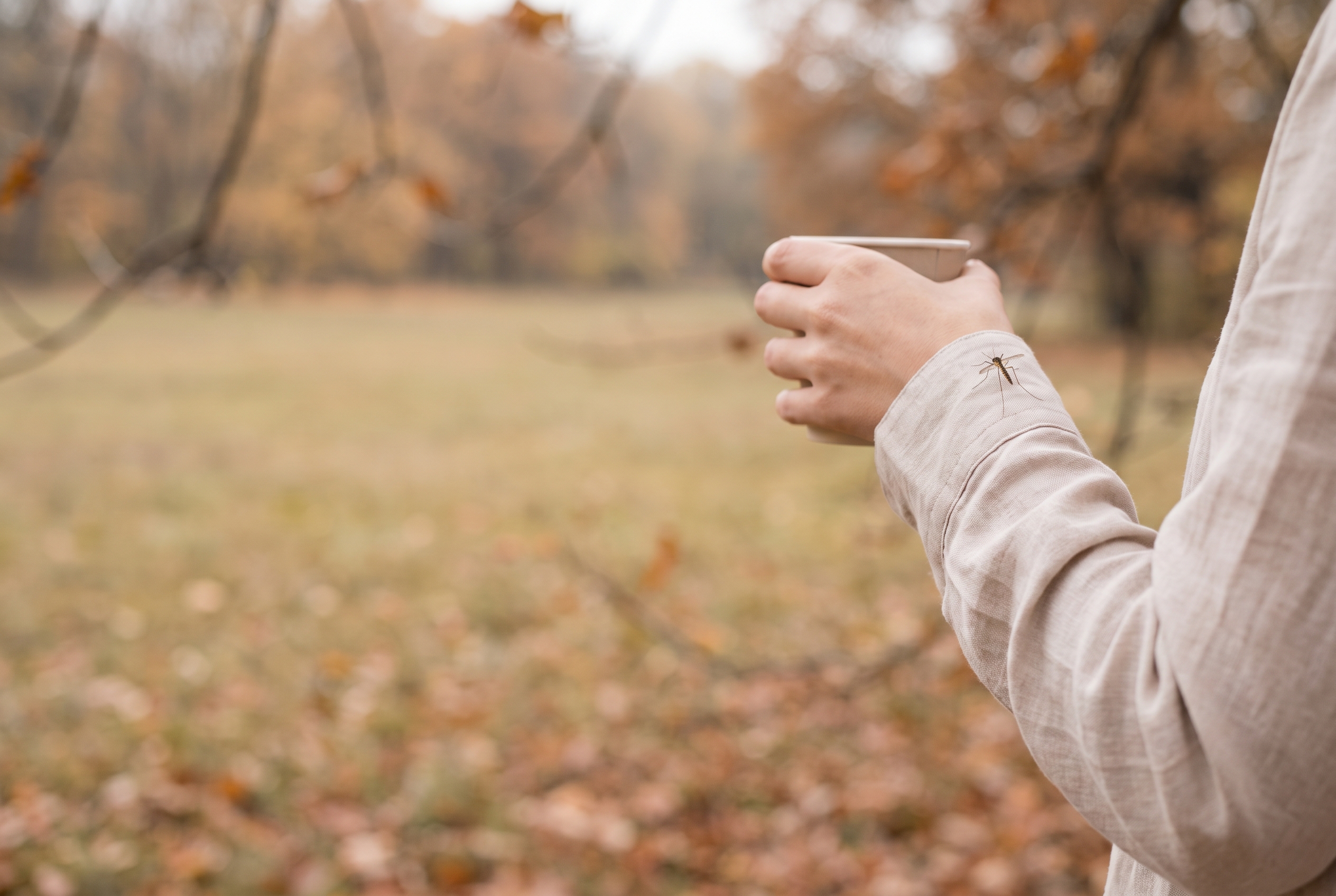
According to the European Centre for Disease Prevention and Control (ECDC) statement of 15 October 2026, this year’s West Nile virus season is the most intense so far in the European Union. Cases have also been recorded in Hungary, including one fatal case according to a report by 24.hu. Although the figures may seem alarming at first, most infections are asymptomatic, and the virus does not spread from person to person. Below, we explain what the data mean, how the illness can be recognised, and what we can do against mosquito bites during the rest of autumn.
What do the European data show?
According to the ECDC statement, 1,715 locally acquired human cases and 130 deaths had been reported in the EU by 7 October. A locally acquired infection means that the patient caught the virus in that country, rather than bringing it back from travel abroad.
Based on the agency’s data, Italy is the most affected country, with 748 recorded cases. According to the ECDC, Greece and France also reached historic highs in the number of infections.
The ECDC also highlights that the virus is spreading northwards: in Belgium, 15 cases marked the first detection of locally acquired human infection, while 59 cases were recorded in the Netherlands. These countries had not previously been among the areas typically affected.
What is the situation in Hungary?
According to the National Center for Public Health and Pharmacy’s (NNGYK) week 33 epidemiological bulletin, this year’s first confirmed domestic case was identified in a 66-year-old man from Budapest. The virus is not a new phenomenon in Hungary, and cases occur regularly during mosquito season.
An overview of this year’s domestic total is provided by an article published by 24.hu on 16 October: according to the paper’s report — which it says is based on ECDC data — five confirmed cases were recorded in Hungary during this season, and according to 24.hu one of them ended in death. These figures come from the outlet’s own summary; the NNGYK’s weekly bulletins provide the official picture of the domestic epidemiological situation. According to Portfolio’s reporting, the ECDC lists four areas in Hungary as affected areas.
At the same time, these regional data do not reveal the chance of infection in any given settlement. Mosquitoes’ carriage of the virus varies from place to place and over time, so prevention is justified across the whole country.
Record case numbers, but not a more severe disease
It is important to distinguish between the absolute number of cases and the severity of the disease course. According to assessments by the ECDC and the European Food Safety Authority (EFSA), although the number of infections rose to a record level, the percentage rates of hospitalisations, neurological complications and deaths were lower than the average of the past ten years.
This suggests that the virus has not become more aggressive in clinical terms: more people were infected, but individual patients did not become more seriously ill than before. News reports often focus on record numbers and deaths, but the full picture also includes the proportions.
EFSA tracks infections using a so-called One Health approach, meaning that alongside human cases it also monitors outbreaks in birds and horses. According to EFSA’s report, the number of animal infections also broke records this year.
How does West Nile virus spread?
According to the NNGYK’s public information notice, the virus’s natural cycle takes place between birds and the common house mosquito (Culex pipiens). The mosquito picks up the virus from an infected bird and can then pass it on through a bite.
Humans and horses are so-called dead-end hosts: according to the NNGYK, the infection does not spread further from them through direct human contact. Caring for, touching or sharing a household with an infected family member therefore does not in itself pose a risk of infection.
What are the symptoms of West Nile fever?
According to the WHO fact sheet, about 80 per cent of infected people do not experience any symptoms at all, around 20 per cent develop mild symptoms, and fewer than 1 per cent develop severe disease affecting the nervous system.
According to a summary by Pharmindex Online, the following may occur in symptomatic cases:
- fever,
- headache,
- muscle pain,
- skin rash.
According to the outlet, fewer than 1 per cent of patients develop severe neurological inflammation, such as encephalitis or meningitis.
The 24.hu report highlights that the vast majority of severe cases affect people over 65 and those living with chronic illness. For them, protection against mosquito bites is especially important.
According to the WHO, there is no vaccine available for human use and no medicine specifically effective against the virus; treatment is symptomatic and supportive. Mild symptoms in autumn can easily be mistaken for a cold or flu. If fever is accompanied by a severe headache, confusion or other unusual neurological symptoms, it is worth seeking medical attention as soon as possible, and mentioning if the person concerned has had a mosquito bite recently.
How can we protect ourselves against autumn mosquito bites?
As there is no vaccine, the most important means of prevention is avoiding bites. Mosquito activity in autumn depends on the weather and typically declines once more persistent cold and frost arrive, so it is still worth remaining cautious on mild autumn days.
The NNGYK notice stresses environmental prevention and the elimination of standing water, as this is where mosquitoes lay their eggs. Around the home, for example, it is worth paying attention to the following:
- it is advisable to cover rainwater collection containers,
- water should be poured out from buckets, plant saucers and old tyres,
- water in bird baths and ornamental ponds should be changed regularly or kept moving,
- blocked gutters should be cleaned.
In personal protection, mosquito repellents can help. A summary by WEBBeteg mentions products containing DEET, picaridin and IR3535. These should always be used according to the product instructions, especially for children and during pregnancy. For outdoor evening programmes, long-sleeved, light-coloured clothing, and at home mosquito screens fitted to doors and windows, can also reduce the number of bites.
This year’s European record primarily indicates the number of infections and the geographical spread of the virus, not a worsening of the disease: according to assessments by the ECDC and EFSA, the rate of severe complications has not increased. The virus does not spread from person to person, most infected people have no symptoms, and the risk can be meaningfully reduced by preventing bites. This article provides general information and does not constitute expert advice; if symptoms occur, medical attention should be sought.
Sources used
- 1.Record high West Nile virus infections reported amid spread to new parts of Europeecdc.europa.euverified
- 2.Lakossági tájékoztató a szunyogok elleni védekezésrőlnngyk.gov.huverified
- 3.West Nile virus Fact Sheetwho.intverified
- 4.Nyugat-nílusi láz szezon: megbetegedés és haláleset Magyarországon24.huverified
- 5.Surveillance of West Nile virus infections in humans and animals in Europeefsa.europa.euverified
- 6.Heti tájékoztató a hazai járványügyi helyzetről 2026. 33. hétnngyk.gov.hu
- 7.Magyarországon is azonosították az idei első hazai nyugat-nílusi lázas esetetpharmindex-online.hu
These sources were used during our editorial fact check.