Praktikus mindennapok és háztartás
Damp windows and mould: low-cost ways to cut moisture
The first step in tackling condensation is not necessarily buying a new appliance. Ventilating deliberately, reducing sources of moisture and rethinking furniture placement can all be part of the solution. If damp patches keep returning, however, it is worth investigating the causes.
2026-11-16 · 5 min read
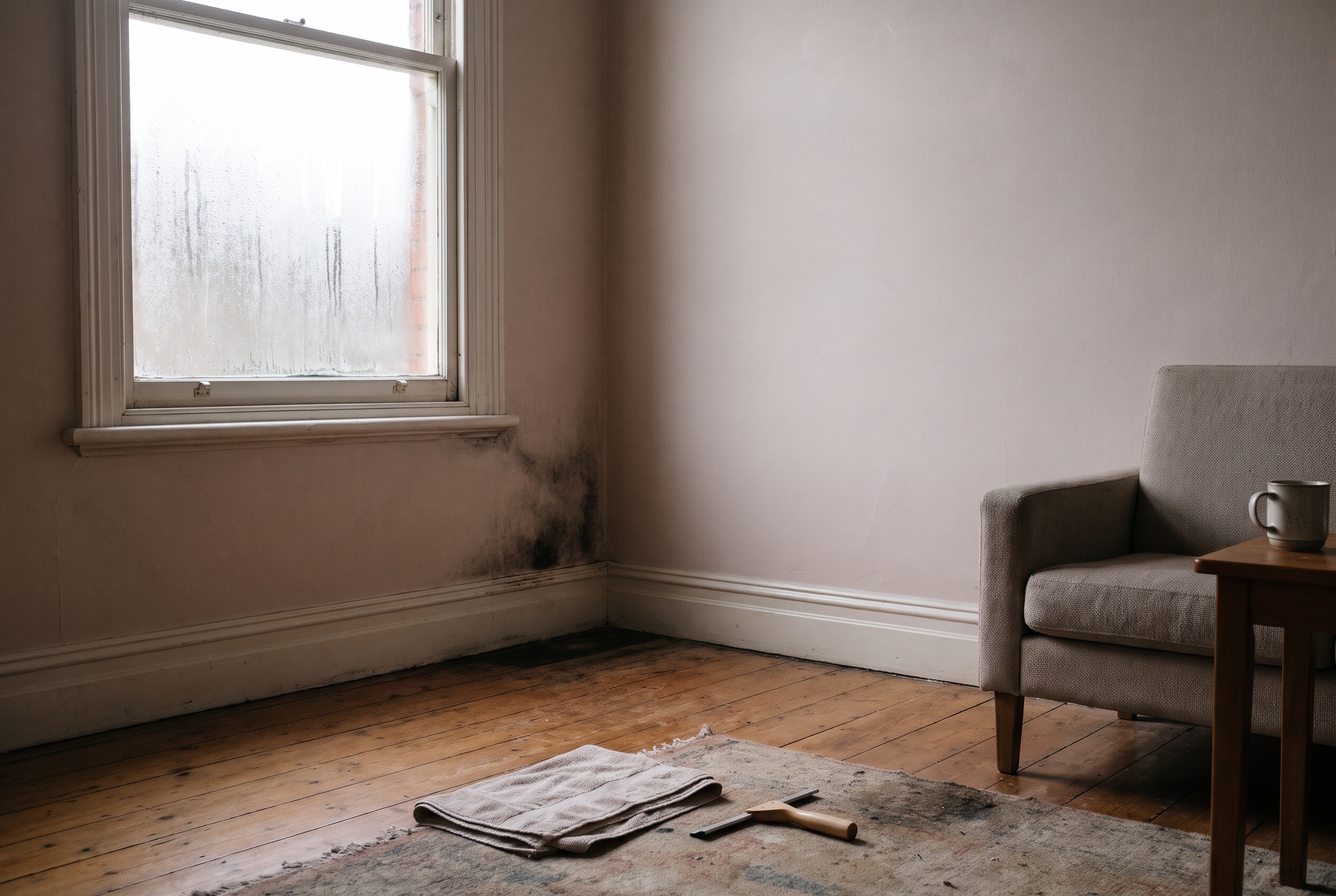
When windows mist up overnight or a dark patch appears behind a wardrobe, it is tempting to look for a quick home remedy. A more useful starting point, however, is to establish whether changes to household habits could help or whether the damp needs investigating for an underlying building defect. The steps below help you review ventilation and everyday habits without immediately turning to expensive equipment.
Start by identifying where the damp appears
When investigating condensation and mould, it is worth looking at colder surfaces as well as the air in the room. Condensation occurs when water vapour in the air turns into liquid on a surface. Windows, wall corners and areas behind furniture therefore all deserve attention.
According to Pénzcentrum's overview, ventilation and dehumidification alone will not necessarily resolve problems associated with thermal bridges or water ingress. It is therefore unwise to assume that every damp patch results from not opening the windows often enough. Changing household habits and assessing the building's condition are separate tasks.
Measuring humidity: track the changes
If you have a humidity meter, try taking readings in the same place under similar conditions. You could record the morning reading, for example, followed by the reading after airing the room. This makes it possible to compare how humidity changes alongside daily activities.
An article by Ingatlanmérnök identifies 40–60 per cent relative humidity as the ideal range. Treat this as a guide rather than a guarantee that mould will not develop. Alongside the displayed reading, it also matters whether moisture is visible on the windows or walls.
A simple record only needs the room name, the time of measurement, the preceding activity and whether the room has been aired. You can separately note showering or drying laundry indoors, as well as any patch that always appears in the same place. You can start recording visible signs even without a meter; photographs showing a patch's location and how it changes may also provide useful information for a later consultation with a professional.
Brief, intensive airing: building a routine
The Protektor Festék guide recommends opening windows wide for 5–10 minutes several times a day, with a cross-draught where possible. This is a starting routine to try, not a mandatory duration that applies to every home and all weather conditions. The main idea is to open the windows briefly and deliberately.
- Preparation: choose a time when the windows can safely be opened wide for a short period, with no movable objects on the windowsill obstructing them.
- Opening the windows: if the layout allows, try cross-ventilation by opening windows some distance apart.
- Closing up: close the windows again after the brief airing; the guide does not recommend leaving them open all day.
Linking window opening to getting ready in the morning or another regular activity at home can make it easier to fit into your day. In a shared household, agree beforehand who will do it, so that it is not overlooked because everyone assumes someone else will take care of it. The aim is an easy habit to maintain, not a complicated daily checklist.
After bathing, deal with water left on surfaces too
The Protektor Festék guide also recommends using a squeegee to remove water from wet surfaces after showering. Removing water left on the shower screen or suitable tiled surfaces can become a separate step in the bathroom routine. This complements ventilation rather than replacing it.
Keep the squeegee within easy reach so that you do not have to search for equipment every time you use it. Start with surfaces you can reach comfortably. A simple task is easier to turn into a lasting habit than a full clean planned for after every bath or shower.
Drying laundry: consider the available locations first
The Airfresh overview lists avoiding indoor laundry drying among the ways to reduce humidity. If you have a suitable outdoor space or another appropriate drying area, consider using it. This is not an option available to every household, however.
If clothes can only be dried indoors, consider ventilation when choosing a location. A practical point is to keep the window accessible beside the drying rack, so that you do not have to rearrange the room every time you open it. There is no need to buy new equipment straight away: first review the options you already have.
Keep the wall behind the wardrobe accessible too
According to Szigatech's article, poor airflow behind furniture pushed tightly against a wall can contribute to unfavourable surface conditions and mould growth. Pénzcentrum's overview also draws attention to furniture placement, particularly against external walls. Rethinking the room's layout can therefore be another step in addressing damp.
If furniture can be moved safely, consider repositioning it to leave room for air to circulate behind it and to keep the wall accessible. Avoid pushing a wardrobe back into the same place simply out of habit if moisture regularly appears behind it. For heavy or secured furniture, it may be appropriate to ask for help with moving it.
Salt and bicarbonate of soda: do not build your solution around them
When looking for natural ways to reduce humidity, the idea of putting salt or bicarbonate of soda in a bowl often comes up. These should not be credited with controlling humidity throughout a room or preventing mould. Instead, focus your household plan on ventilation and reviewing activities that generate moisture.
A low-cost solution does not necessarily mean buying another household remedy: it could mean using the squeegee you already own or moving the drying rack. Trying home remedies should not delay investigating the cause of recurring damp walls. It is particularly important to distinguish everyday moisture management from removing mould that has already developed: this guide addresses the former.
When should you seek professional help?
If a patch keeps returning despite changes to your habits, consider asking a building diagnostics specialist or another suitably qualified technical professional to investigate the cause. According to Pénzcentrum's report, a dehumidifier alone does not provide a lasting solution to water ingress or a structural thermal bridge. In such cases, the next step is not necessarily buying an appliance, but identifying where the damp comes from.
A cost-conscious start means a simple, consistent routine: establishing when condensation occurs, trying brief airing, removing water left after showering and reviewing furniture placement. These steps do not guarantee a mould-free environment in every home, but they can be reasonable first measures before more expensive work. This guide provides general information, not a professional assessment based on an on-site building inspection.
Sources used
- 1.Penész II. teendőkingatlanmernok.huverified
- 2.Helyes szellőztetés a penész elkerülése érdekébenprotektor-festek.huverified
- 3.Küzdelem a penész ellenpenzcentrum.huverified
- 4.Penészedés okai és megelőzéseszigatech.huverified
- 5.Hogyan csökkentsük a páratartalmatairfresh.huverified
- 6.Magas páratartalom okai és megszüntetéseszelloztessokosan.hu
- 7.Penészes lakás és harmatpont számításokparamentesito.hu
These sources were used during our editorial fact check.