Technológia / Agrár
AI against drought: what it means for Hungarian farmers
Researchers at the University of Debrecen are developing a decision-support system for managing drought based on more than forty years of experimental data. We show what the technology can do, what is slowing its spread, and why it is not worth expecting an immediate drop in bread prices.
2026-10-14 · 5 min read
At the 21st Tiszántúl Agricultural Science Days, specialists from the University of Debrecen showed how artificial intelligence, digitalisation and precision water management could help Hungarian farmers adapt to increasingly extreme droughts. The issue reaches beyond the fields, too, because it raises a broader question: if algorithms reduce production costs, will bread become cheaper? The short answer is probably not directly, but production may become more predictable.
Why has artificial intelligence now come to the fore in agriculture?
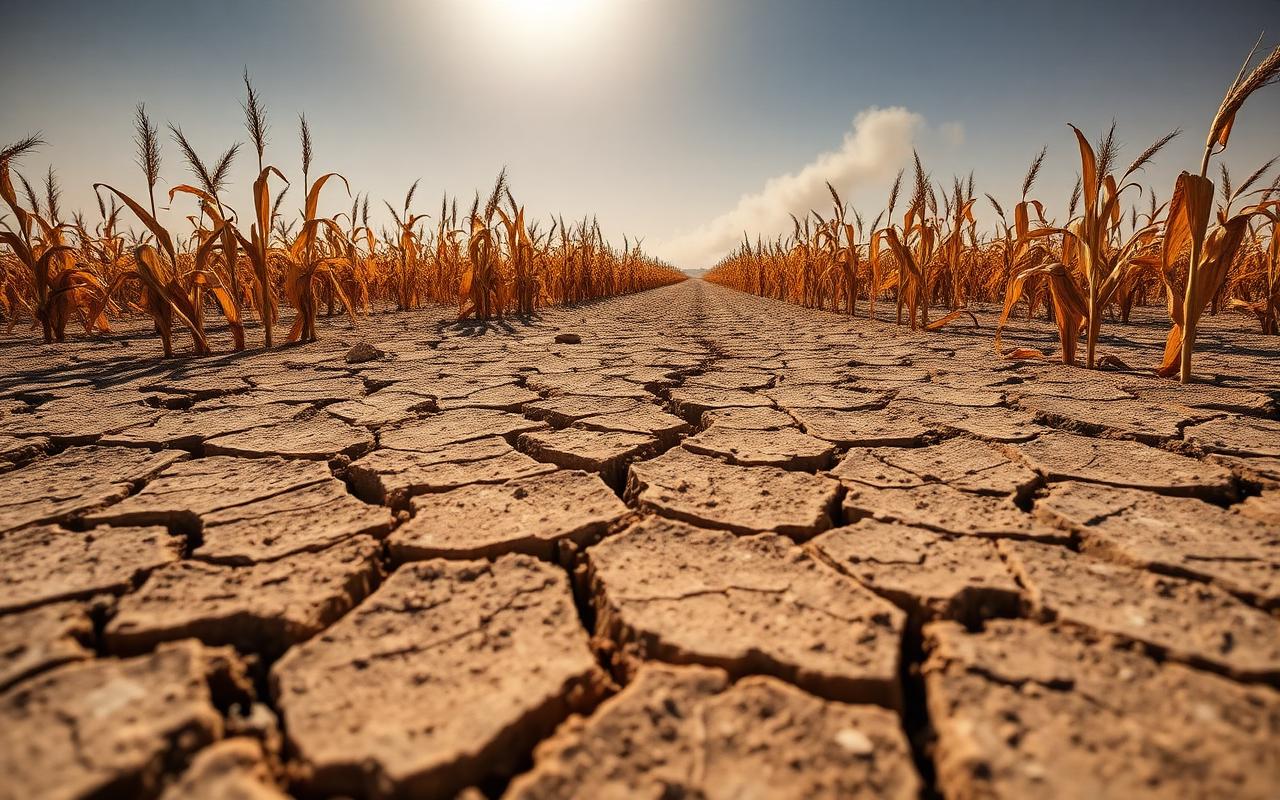
According to the University of Debrecen’s statement, the university’s specialists stressed at the conference that the key to climate adaptation and sustainable production is artificial intelligence, digitalisation and precision water management. The university report also specifically notes that drought is exceptionally severe in the Debrecen region.
The figures are indeed striking. According to Magro.hu’s summary, it was said at the event that warming in the Carpathian Basin has reached 1.7°C, while in the Debrecen area only 170 millimetres of precipitation had fallen by the end of August 2026. According to the report, this is far less than the 321 millimetres measured in 1961, meaning this year’s figure is even below the previous negative record.
Based on the specialist outlet’s report, the speakers also warned of the risk of desertification on the Great Plain. In response, they urged the designation of new cultivation zones and data-based decision support, meaning that farmers should be able to rely not only on experience but also on measured and analysed data.
Forty years of experimental data as the basis for algorithms
Artificial intelligence is only as valuable as the quantity and quality of the data it can learn from. According to Hajdúpress’s report, researchers from the University of Debrecen’s faculties of agriculture and informatics have for two years been processing the long-term experimental data collected since 1983 at the Látókép Crop Production Experimental Site using algorithms and artificial intelligence.
This kind of long data series is valuable because it records several decades of weather fluctuations, dry and rainy years, and the effects of different cultivation methods. A model can therefore draw conclusions not only from a single season, but from many different situations.
According to the paper, the analyses are being used to develop an expert decision-support system that would reduce crop losses and production costs by improving the precision of irrigation, crop protection and yield estimation. It is important to stress that this is the aim of the development; the extent of the savings it will deliver in practice can only be shown by widespread use.
A report titled “Against drought with algorithms”, also published on the university’s news portal, said that the event also addressed the relationship between artificial intelligence and agricultural profitability, and that processing long meteorological data series, potentially spanning a hundred years, could also serve to protect farmers.
How does precision farming work in practice?
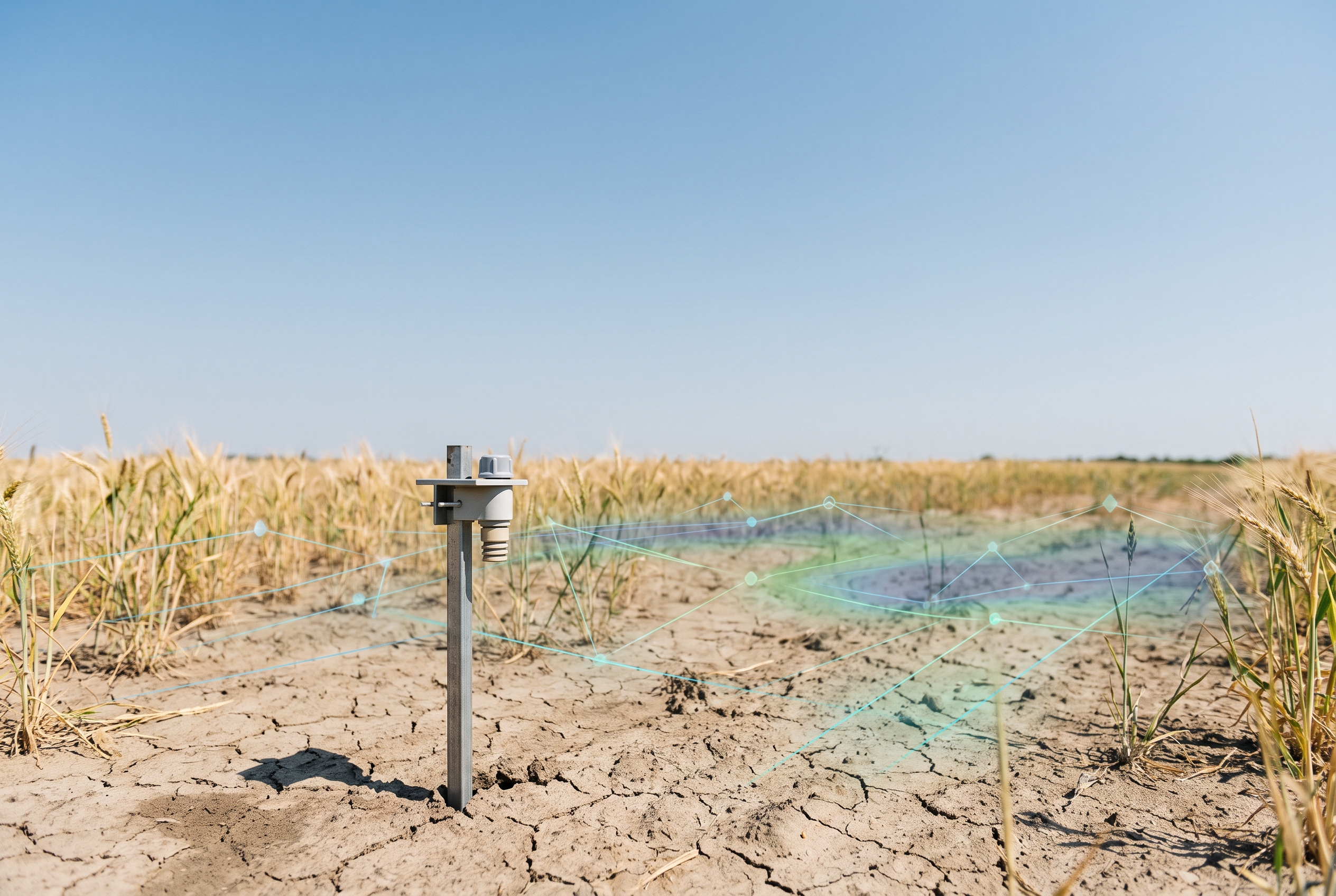
According to a study available in the University of Debrecen’s scientific repository, agricultural AI developments use machine learning to turn data from sensor networks and satellite remote sensing into site-specific cultivation and application recommendations. Put simply, each part of a field can get what it actually needs, rather than an average dose.
In practice, this can appear in several areas:
- Irrigation: water is delivered where and when the plant needs it most.
- Crop protection: intervention can be more targeted, so fewer chemicals may be applied unnecessarily.
- Nutrient replacement: application tailored to soil conditions can reduce waste.
- Yield estimation: more accurate forecasting helps with planning sales and inventories.
There is also a domestic example on the nutrient side. According to a 2024 article by Magyar Mezőgazdaság, a precision system based on artificial intelligence was developed for the application of liquid manure using GINOP Plus funding of HUF 588.3 million.
What could slow the transition?
The university statements primarily emphasise the technology’s possibilities, but scientific analyses paint a more nuanced picture. According to the study available in the university repository, high investment costs, limitations arising from farm size, and farmers’ scepticism towards technology may slow the actual transition.
This may be a particularly sensitive issue for smaller farms, where the cost of a sensor network or a precision machine is harder to recoup. Building trust does not happen overnight either: a farmer needs to see that an algorithm’s recommendations work on their own land as well.
Meanwhile, the pressure is growing. According to an article by Agrárszektor, extreme drought and heatwaves are forcing Hungarian agriculture onto a narrow path, and without a technological shift many producers may become unviable. This is the specialist outlet’s assessment, and it shows clearly how sharply the issue is being raised within the sector.
Will bread become cheaper because of algorithms?
It is worth separating two things here: the producer’s own costs and the retail price. AI-based solutions primarily affect the farmer’s costs and the security of the harvest, while the shelf price of bread is shaped not only by the price of wheat but also by energy, transport, processing, retail margins and the international grain market.
The technology has already appeared in the baking industry as well. According to a 2023 report by Mindmegette, the Hajdúsági Sütödék group uses artificial intelligence to optimise recipes, although the article also noted that shop prices are influenced by many other market factors.
A more realistic expectation may be that the spread of precision farming will not dramatically reduce prices, but may lessen the risks arising from crop losses. In a drought year, this could mean a smaller shortfall, and with it a smaller chance of sudden price increases, although there is no reliable estimate of its scale. You can read more about recent food price trends in our article analysing the August inflation data.
What is worth remembering?
The Debrecen research suggests that artificial intelligence, drawing on long-term experimental data, sensors and satellite images, can enable more accurate decisions in irrigation, crop protection and nutrient replacement. The technology is not a miracle cure, however: because of high costs and farmers’ caution, the transition may be slower than the presentations suggest. For consumers, the most important likely benefit may not be cheaper bread, but a more drought-resilient and more predictable domestic production system.
Sources used
- 1.Adatvezérelt agrárium, klímaadaptáció és élelmiszerbiztonsághirek.unideb.huverified
- 2.Debreceni Egyetem Akadémiai Adattár - AI tanulmánydea.lib.unideb.huverified
- 3.Termesztési körzet, precíziós gazdálkodás, adatalapú döntéstámogatásmagro.huverified
- 4.Mesterséges intelligenciával segítik a mezőgazdaság alkalmazkodását a klímaváltozáshozhajdupress.huverified
- 5.Mesterséges intelligencia segíti a hígtrágya precíziós kijuttatásátmagyarmezogazdasag.huverified
- 6.Mesterséges intelligencia a sütőiparbanmindmegette.huverified
- 7.Kimondták: ha ezt nem lépi meg sok magyar termelő, mindent elbukhatnakagrarszektor.hu
These sources were used during our editorial fact check.