Technológia
Huawei Watch D3 blood pressure: can it replace a cuff?
The Huawei Watch D3 uses an airbag built into the strap to genuinely measure blood pressure rather than just estimate it. Tests suggest it can be a convenient supplementary device, but correct posture is crucial and the measurement does not replace medical supervision.
2026-10-10 · 5 min read
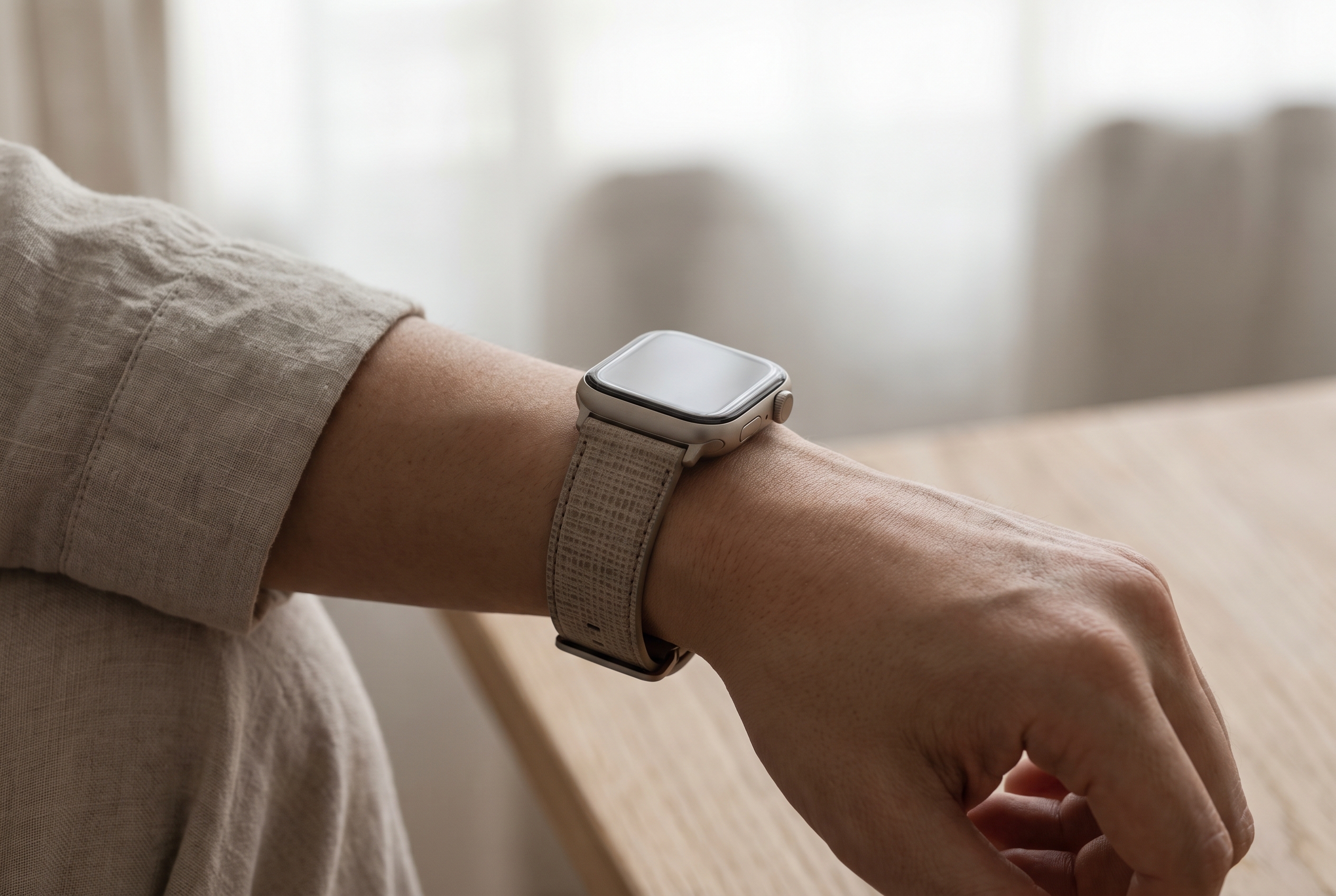
Most smartwatch health features are mainly informational. The Huawei Watch D3 goes a step further: according to the manufacturer, it genuinely measures blood pressure with an inflatable airbag built into its strap. By now, both Hungarian and international tests have evaluated the device. We have gathered what the watch can do, what testers warn about, and whether it can replace the usual upper-arm blood pressure monitor.
Measurement, not estimation: what makes the Watch D3 different
Many smartwatches use an optical sensor and infer cardiovascular status from pulse wave analysis. This is convenient, but it is an indirect method. According to Huawei’s product page, the Watch D3 instead measures using the oscillometric principle: a built-in micropump inflates an airbag in the strap, meaning it uses the same basic principle as most home blood pressure monitors.
According to a report by Techworld, the watch does not rely on estimation based on optical pulse analysis (PPG), but measures by applying physical pressure. Hungarian hands-on tests describe this operation in the same way: the thin air cuff running along the inside of the strap compresses the artery on a principle similar to upper-arm devices, then records the readings while the pressure is reduced.
Medical device certification: what CE-MDR means
According to the manufacturer, the Watch D3 has CE-MDR medical device certification in Europe. This marking refers to EU medical device regulation. It indicates that the blood pressure measurement function has been classified and assessed as a medical device, which is a significant difference compared with smartwatch features intended purely for wellness purposes.
Huawei also claims that the watch supports 24-hour ambulatory blood pressure monitoring (ABPM) in line with the guidance of the European Society of Hypertension (ESH). The certification is an important sign of reliability, but it does not mean that the watch’s readings will be identical in every situation to a measurement taken in a doctor’s surgery.
Before and after exercise: ECG and blood pressure responses
According to a report by HVG, the watch also includes an ECG sensor alongside the air-cushion cuff. Together, the two make it possible for the user to check the body’s blood pressure responses both before and after exercise.
This combination pushes the device more towards health monitoring than towards classic sports watches. For someone mainly looking for a watch for exercise tracking, blood pressure measurement and ECG are supplementary features; for someone who needs to monitor their blood pressure regularly, this may be the main consideration.
What did the tests show about accuracy?
Hungarian feedback has been mostly favourable. According to practical tests, the watch may be a convenient solution chiefly for those who need to measure several times a day because of high blood pressure, since the measurement can be taken anywhere without drawing attention. Testers also highlight that measurement data can be exported from the Huawei Health app, so it can be shared with the treating doctor.
International tests give a more nuanced picture. Based on comparative measurements by T3, the Watch D3’s results may be slightly lower than those of a medical upper-arm blood pressure monitor for both systolic and diastolic values. This should be treated as the experience of a single test, not as a generally valid conclusion. International reviews also point out that wrist position can affect the result, so differences may also arise because of variations in posture.
How should you measure with it?
Measurement taken at the wrist is more sensitive to body position than upper-arm measurement. According to T3, strict measurement discipline is needed, and the most important rule is that the arm should be at heart level during measurement. In practice, it is worth paying attention to the following:
- Arm at heart level: during measurement, the wrist should be held at chest height, as testers also emphasise.
- Calm body position: it is worth measuring while seated, still and without talking so that the results can be compared.
- Consistency: measurements taken at a similar time of day and under similar conditions show trends more clearly.
- Occasional comparison: it may be useful to compare the watch’s readings with an upper-arm device as well, to see whether there is a consistent difference.
- Data sharing: the exported measurement log can help discussions with the treating doctor.
Display, battery life, price
According to the manufacturer’s technical specifications, the Watch D3 has a 1.92-inch AMOLED display with 3,000 nits peak brightness, an 11.3 mm case thickness and a 540 mAh battery. Based on HVG’s report, it lasts about six days on a single charge under average use.
According to Notebookcheck, the watch’s European launch price was €449. Because blood pressure measurement requires a special air-cushion strap, it is worth checking the available strap sizes and replacement options before buying. As with a product only recently brought to market, there is naturally not yet broad user experience regarding the long-term durability of the air-cushion strap.
Can it replace a traditional blood pressure monitor?
Based on the tests so far, the Watch D3 is more of a supplementary tool than a replacement. Its great advantage is that it is always at hand, making regular measurement easier and daily fluctuations more visible. Techworld also highlights that it is useful as a reference device, but does not replace a medical consultation. Because of sensitivity to position and possible minor differences, it is not worth giving up upper-arm measurement entirely, especially if the treating doctor specifically requires it.
Important: this article provides general information and is not professional advice. Home measurement — whether with a watch or an upper-arm device — complements but does not replace consultation with the treating doctor. Any change to medication or treatment should always be discussed with a doctor.
Sources used
- 1.Huawei Watch D3 Specifikációkconsumer.huawei.comverified
- 2.Huawei Watch D3 Termékoldalconsumer.huawei.comverified
- 3.Ez az okosóra vérnyomást mér, EKG-t nézhvg.huverified
- 4.Huawei Watch D3 Reviewt3.comverified
- 5.Megjelent a Huawei Watch D3notebookcheck-hu.comverified
- 6.Review Huawei Watch D3id.nl
- 7.Huawei Watch D3 videós bemutatóyoutube.com
These sources were used during our editorial fact check.