
Economy
Energy crisis in Hungary: Paks shuts down, country braces for self-restraint
Because of record-low water levels on the Danube, the Paks Nuclear Power Plant is being fully shut down, a unit at the Dunamenti Power Plant has broken down, and the heatwave has pushed consumption close to a historic peak. An energy crisis situation may come into effect from Monday.
2026-08-01 · 8 min read
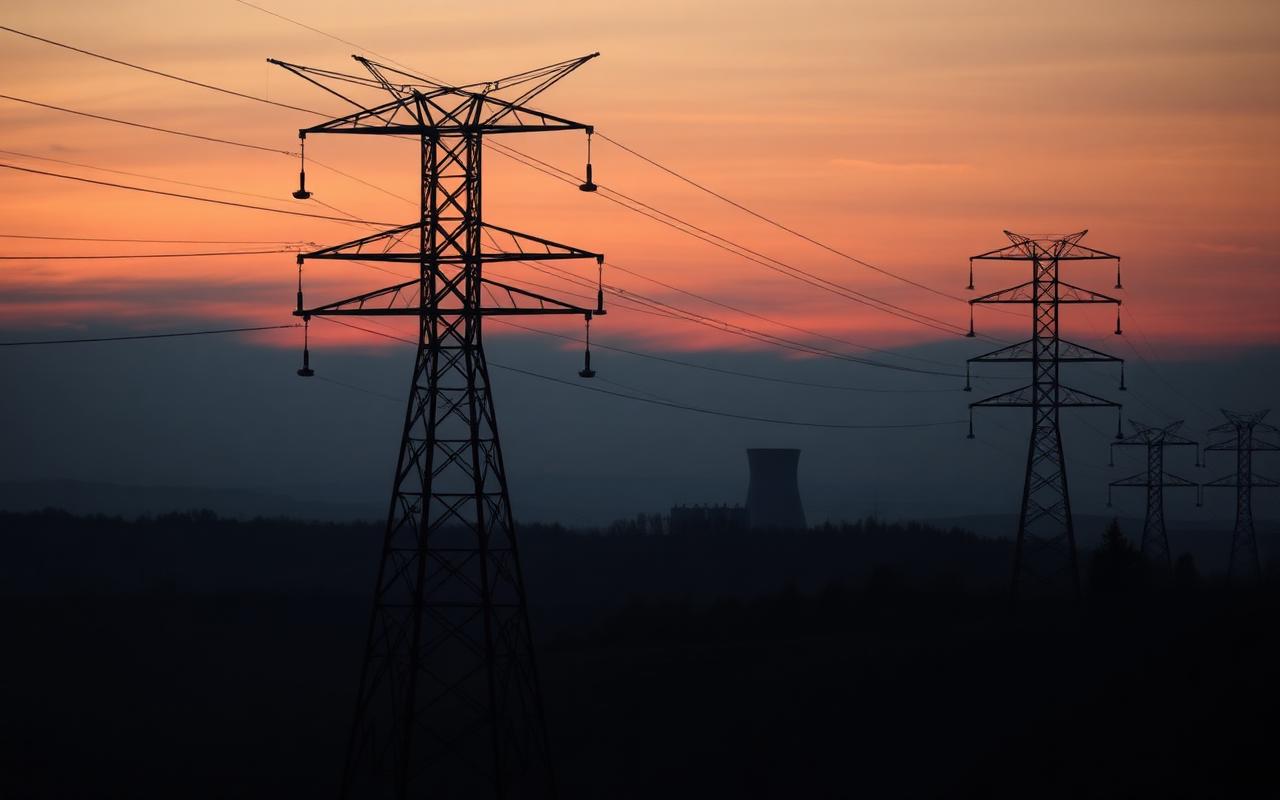
It is rare for a Hungarian prime minister to announce emergency measures from MAVIR's national control center. In the last days of July, that is exactly what happened: the prime minister and the minister of economy and energy stood before the cameras together to say that the country's electricity supply could be pushed to the edge of tolerance in the coming days, and that an energy crisis situation could come into effect from Monday.
Three problems at once
The situation was not caused by a single event but by an unfortunate coincidence of three factors.
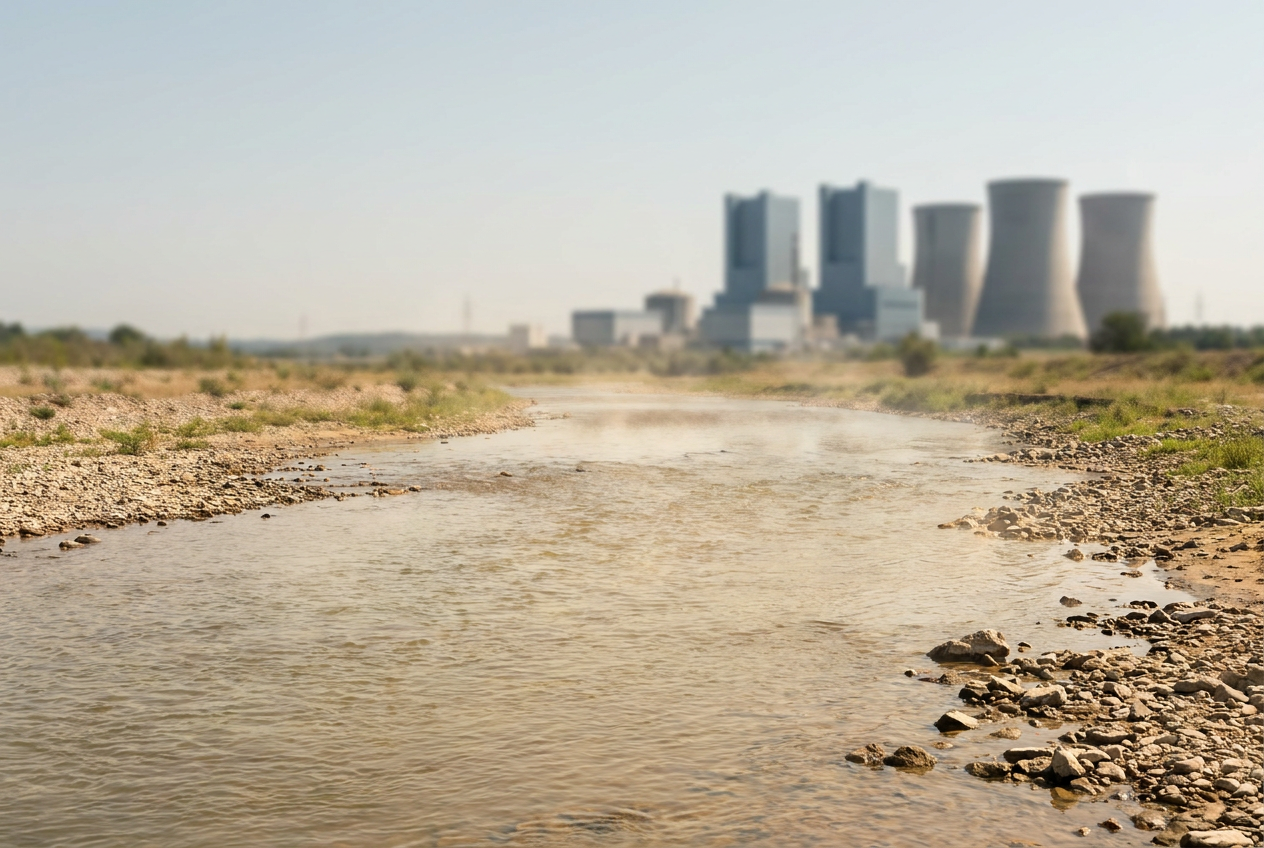
- Record-low water levels on the Danube. The Paks Nuclear Power Plant draws its cooling water from the river, and the warmed, low-volume Danube is unable to carry away waste heat within legal limits. As a result, the plant must be shut down for an indefinite period — for the first time in its entirety in 44 years of operation.
- A malfunction at the Dunamenti Power Plant. One unit of the gas-fired power plant in Százhalombatta went offline due to a technical fault, at precisely the moment it was needed most. Repairs have begun, and according to official information the unit could restart as early as Sunday.
- Prolonged heat. Air conditioning and cooling needs have pushed domestic electricity consumption close to its historic peak, while other countries in the region are struggling with similarly high loads, meaning imports are not unlimited either.
What does the crisis situation mean in practice?
The energy crisis situation is primarily a legal framework: it allows the grid operator and the government to intervene in balancing consumption and production through an accelerated procedure. According to the announcement, the first step is voluntary self-restraint — large industrial consumers are being asked to reduce output during peak periods or shift energy-intensive processes to other times.
If this proves insufficient, the grid operator has the right to temporarily disconnect large consumers from the network. According to government communications, restrictions on households are the very last resort, and the goal is precisely to avoid reaching that point. The critical period begins on Monday: the coincidence of the early-week heat peak and the shutdowns represents the greatest risk.
What can households do?
Household consumption alone will not decide the fate of the grid, but every kilowatt-hour counts in reducing peak load. The most critical time window is late afternoon to early evening, when solar output drops off while cooling demand is still high.
- It's worth scheduling washing machine, dishwasher and dryer cycles for late evening or nighttime.
- Set the air conditioner to 25-26 degrees rather than 18-20 — it still feels pleasant, but uses a fraction of the energy.
- Keep blinds and curtains closed during the day: keeping sunlight out is cheaper than cooling it back down afterward.
- Devices and chargers left on standby draw power continuously — it's worth unplugging them during peak hours.
The deeper lesson
The current situation is not simply a bad week. The water shortage, record heat and aging power plant fleet together show just how sensitive Hungary's energy system is to weather extremes. The Danube's water level used to be considered a minor technical detail; today it determines the operation of the country's base-load power plant.
According to government communications, an investigation will look into how the system got to this point. Experts agree that the solution is not a single investment: flexible reserve capacity, storage, stronger regional interconnections and heat-adapted cooling technologies are all needed at once. These will take years — but the coming days need to be weathered with self-restraint and good scheduling.
This article was compiled from publicly available news agency and press reports; the situation may change quickly, so it is worth following official updates from the grid operator and utility providers.
Related Articles
Technology
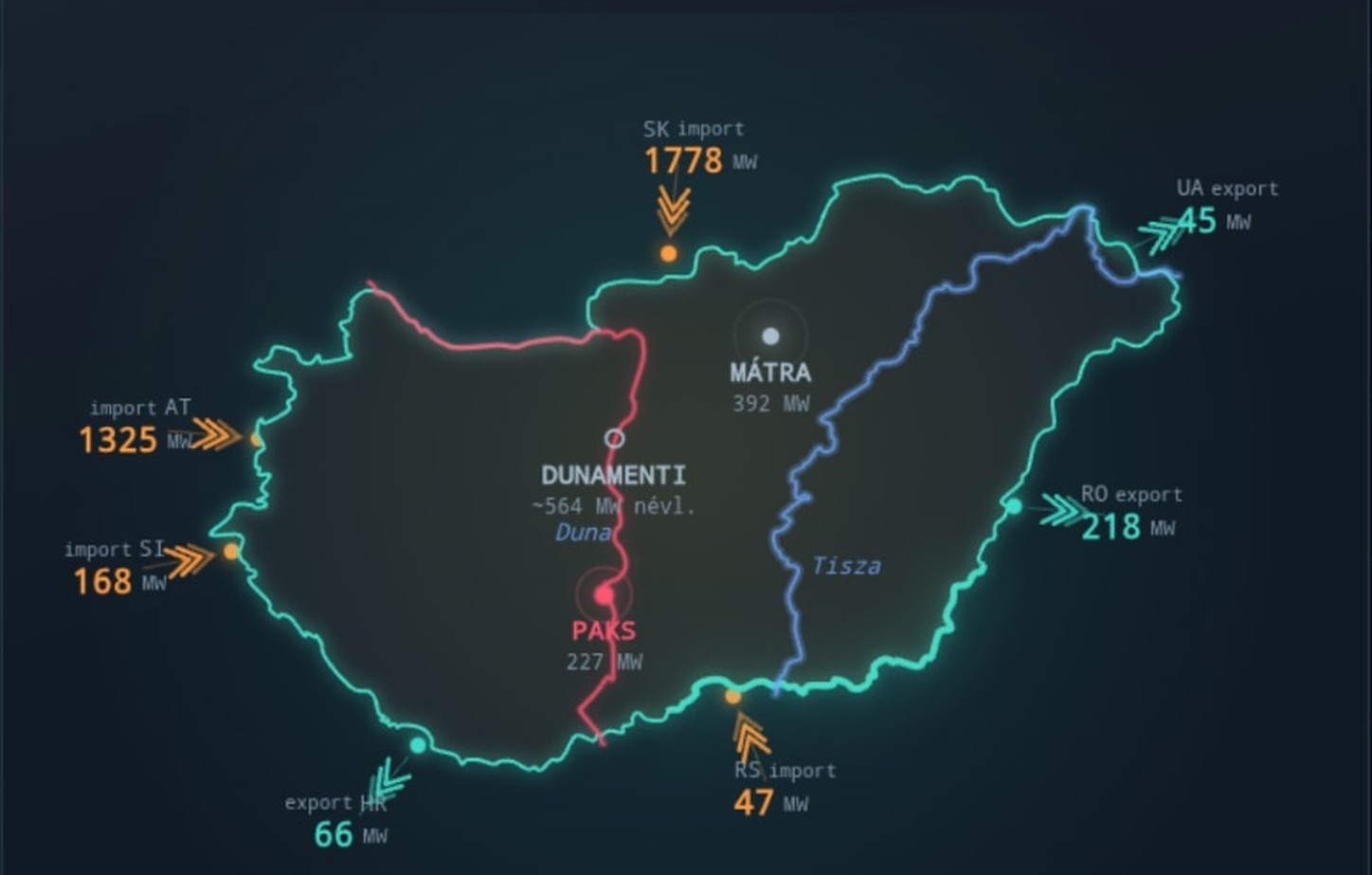
Where does your electricity come from right now? A live dashboard of Hungary's power system
2026-08-03 · 7 min
Energetika & Környezet
Danube temperature and Paks power output explained
2026-09-14 · 5 min read

Időjárás & Életmód
Autumn cooling and drought: what to prepare for now
2026-09-27 · 5 min read