
Közélet & Geopolitika
Carpathian cooperation: openings for Hungarian firms
The Carpathian Integration Initiative aims to improve transport, energy and trade links. Hungary is not part of the group, but border infrastructure and Ukraine’s reconstruction could still create business opportunities for Hungarian companies.
2026-11-08 · 5 min read
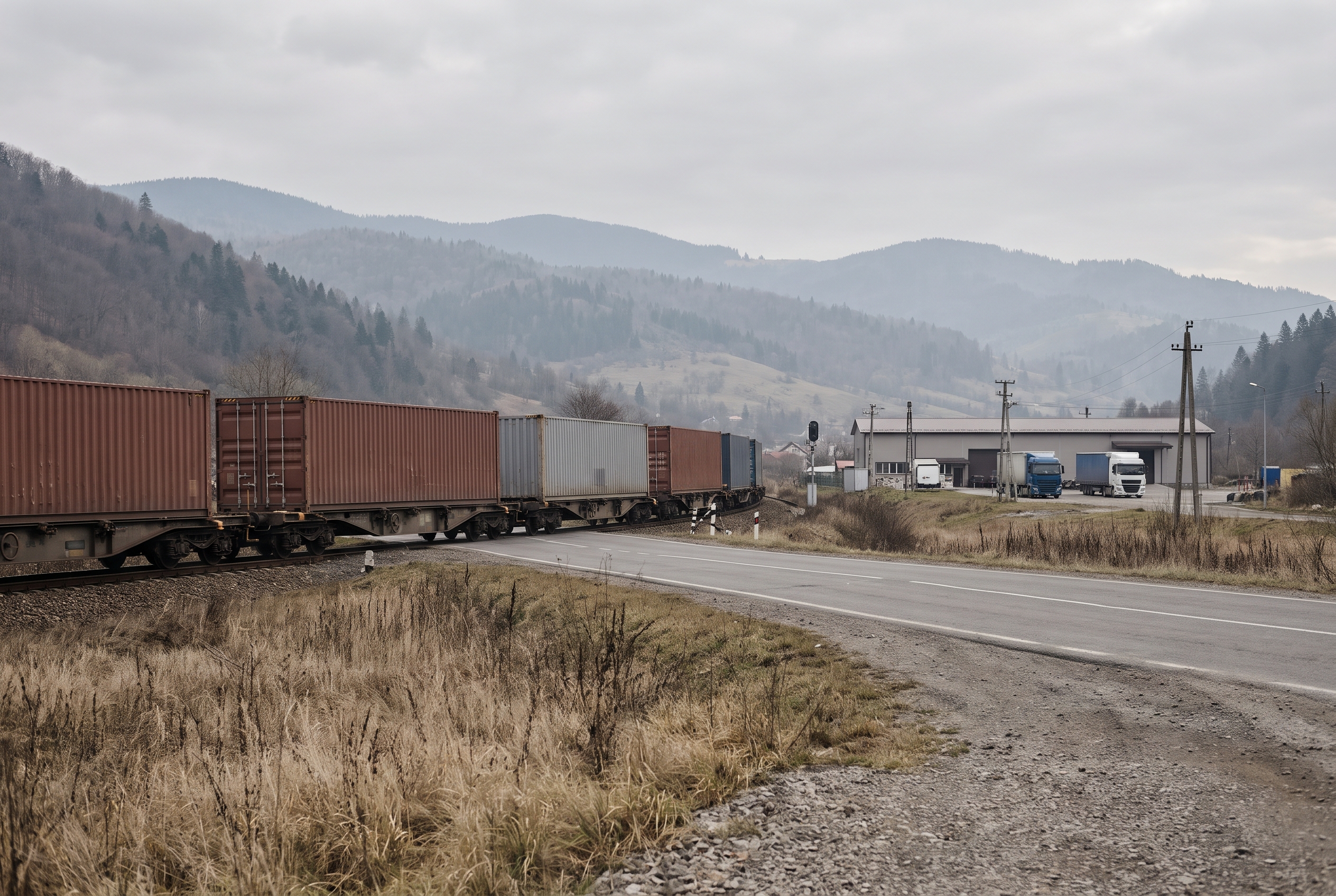
A new regional cooperation initiative has been launched in the Carpathian region, focusing on the development of transport routes, energy networks and cross-border trade. From Hungary’s perspective, the initiative is noteworthy because a significant share of the Ukrainian market’s connections with the European Union may operate through neighbouring countries.
Political participation should, however, be distinguished from business opportunities. Hungary is not part of the group, but this in itself does not exclude Hungarian companies from trade, logistics or energy projects being prepared in the region.
What is the Carpathian Integration Initiative?
According to a statement by the Office of the President of Ukraine dated 18 September 2026, Ukraine has launched the Carpathian Integration Initiative. Ukraine aims to strengthen cooperation among countries connected to the Carpathian region and the European Union in energy supply, logistics and economic relations.
According to the statement, the plans include establishing new transport and trade corridors, improving border infrastructure, and proposing an EU Strategy for the Carpathian Macro-Region, known as EUSCARP. However, the proposal does not yet constitute an approved EU programme or a fixed implementation timetable.
Hungary is not a member but has economic interests
Some initial reports listed Hungary among the members of the group. However, according to a Kárpátalja.ma report outlining the position of the press department of Hungary’s Ministry of Foreign Affairs and Trade, Hungary is not a member of the Carpathian Eight and did not join the summit’s joint declaration. The publication said that a Hungarian diplomatic observer attended the event.
This distinction matters from a business perspective. The absence of political membership means that Hungary has not assumed any state obligations connected with the initiative. Companies may nevertheless still gain access to bilateral contracts, supplier partnerships and internationally financed investments.
Logistics could be a key entry point
Expanding freight traffic around the Hungarian–Ukrainian border requires more than improving a single road or railway connection. The capacity of border crossings, warehousing, customs clearance, transshipment and onward road transport collectively determine how fast and predictable a trade route is.
This could create a market for several types of business. Alongside hauliers and freight forwarders, warehouse operators, industrial property developers, customs service providers, insurers and IT companies could also participate. Digital freight documents, cargo tracking and coordinated terminal management could likewise become distinct areas of service.
Hungarian companies may benefit from their geographical proximity and familiarity with how the region operates. However, this does not guarantee contracts: each business must separately assess the security, insurance, financing and contractual risks associated with operating in Ukraine.
Different railway systems could create a service market
Because cross-border rail freight uses different technical systems, some goods must be transshipped or handled using another technical solution that enables their onward journey. This may slow transport, but it could also create a distinct service market in the border region.
Terminals, loading equipment, container handling, storage capacity, maintenance and digital traffic management may be required. Eastern Hungary could therefore gain importance not only as a transit area but also as a location for warehousing, distribution and light industrial processing, provided that the planned corridors are backed by actual investment and sustained freight volumes.
Practical links are already emerging in the energy sector
One tangible example of corporate cooperation is the consultation between Mol and Naftogaz. According to the foreign ministry statement reported by Kárpátalja.ma, the two companies signed a letter of intent concerning the potential storage of petroleum products near the Hungarian–Ukrainian border.
A letter of intent is not the same as a final investment decision, so it does not automatically mean that new storage capacity will be built. It does, however, indicate that practical business partnerships can emerge despite diplomatic distance.
If similar projects reach implementation, they may involve more than energy companies. Engineering consultancies, contractors, industrial automation businesses, environmental service providers, security technology companies and specialist hauliers could also become suppliers.
A large project portfolio is taking shape, but an announcement is not an order
According to statements by the Office of the President of Ukraine dated 19 September 2026, an investment portfolio worth tens of billions of euros and covering dozens of regional projects was presented. The plans may bring together transport, energy and other cross-border developments.
For Hungarian businesses, the nominal value of the entire portfolio matters less than which investments progress to financing, public procurement or specific corporate contracts. A published project list does not yet constitute a guaranteed order book.
Participation may be influenced by tender rules, financiers’ requirements, insurability, permitting and political risks. It also matters whether a particular development is financed from national or EU funds, or by international financial institutions, as this may determine procurement and compliance requirements.
Which Hungarian businesses could find a market?
The potential business opportunities extend far beyond road haulage. The developments could involve specialised suppliers from several sectors:
- logistics companies: freight forwarding, warehousing, terminal operation and customs administration;
- construction companies: building roads, industrial sites, warehouses and utilities;
- railway suppliers: track construction, signalling systems, loading equipment and maintenance;
- energy companies: storage, network development, metering and industrial automation;
- IT companies: freight management, tracking and document management solutions;
- professional service providers: financing, legal, compliance and risk management support.
Small and medium-sized enterprises that participate as specialised suppliers rather than lead contractors on major investments could be particularly competitive. Entering the market may be easier by joining an international consortium or working with a local partner, but every partnership requires thorough due diligence on the partner and the contract.
What should Hungarian companies look out for?
Specific calls for tenders, financing decisions and permits related to border infrastructure will indicate how much of the political initiative becomes actual business. The way the European Union handles the EUSCARP proposal will also be an important signal.
Businesses should distinguish between political announcements, projects under preparation and procurements that have already secured financing. Before signing a contract, they should check the partner’s background, payment guarantees, insurance terms, and the applicable sanctions and export control rules.
For now, the Carpathian Integration Initiative is more of a framework for cooperation than an established business market. Opportunities for Hungarian companies will be determined not by political membership alone, but by funded projects, tender conditions and emerging corporate partnerships. This is general information and does not constitute legal or financial advice.
Sources used
- 1.Ukrayina zapochatkuvala novij format spivpracipresident.gov.uaverified
- 2.Külügyi tisztázás a Kárpáti Nyolcak tagságrólkarpatalja.maverified
- 3.Vpershe v Ukrayini v nashij chastini Karpat samitpresident.gov.uaverified
- 4.Karpatska iniciativa region iz VVP ponad 34 triljonapresident.gov.uaverified
- 5.Krayini Karpatskogo regionu mayut znachnij potencialpresident.gov.uaverified
- 6.Összefogott a MOL és a Naftogaztozsdeforum.huverified
- 7.Deklaraciya samitu Karpatskoyi integracijnoyi iniciativipresident.gov.ua
These sources were used during our editorial fact check.