
Életmód
Plastic Packaging Waste Rises: How to Cut It at Home
According to Eurostat, 35.9 kilograms of plastic packaging waste per person was generated in the EU in 2024. Separate collection is important, but households can reduce waste primarily by avoiding unnecessary packaging.
2026-10-22 · 5 min read
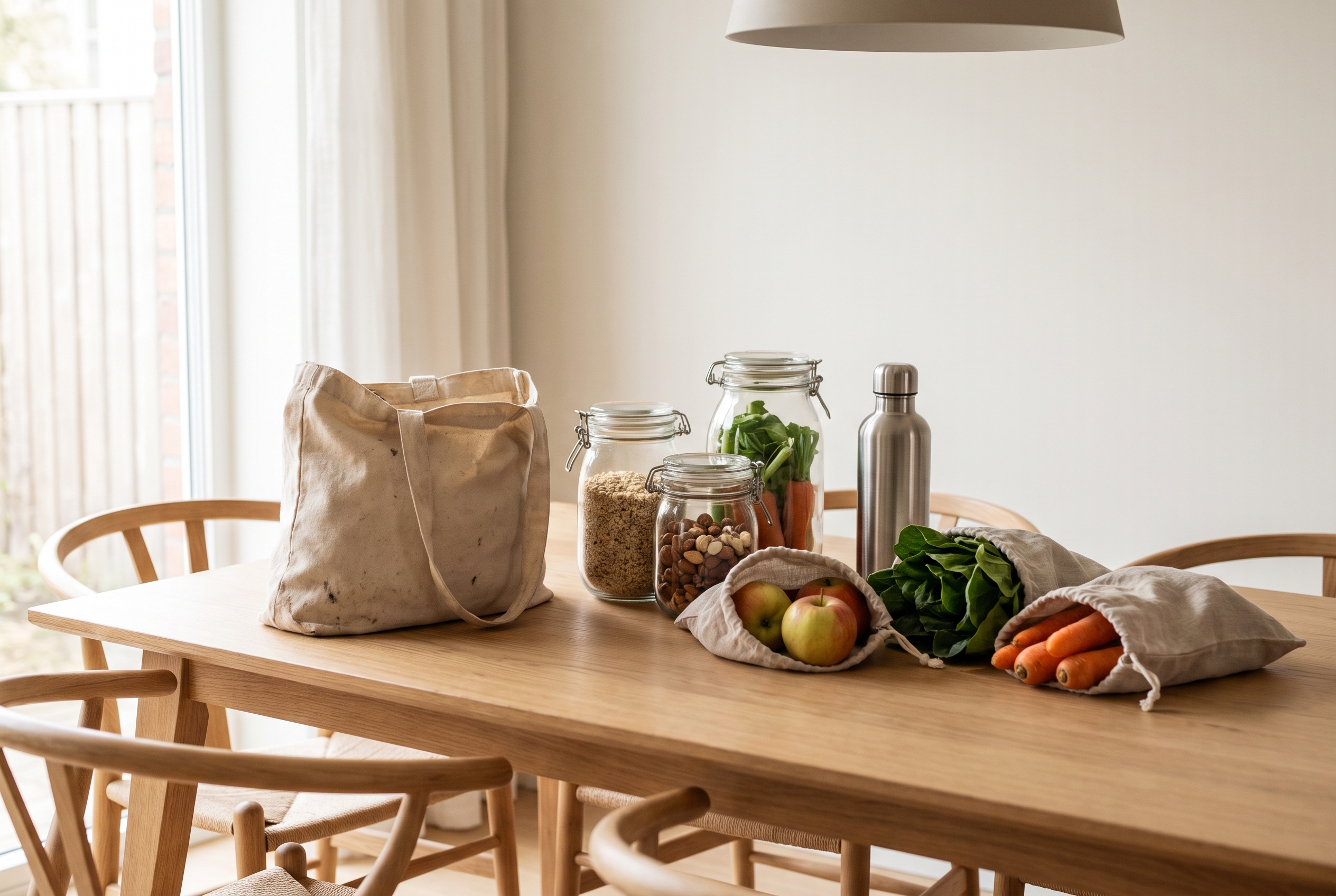
The European Union continues to generate significant amounts of plastic packaging waste, while less than half of the material is recycled. Separate collection alone cannot solve the problem: choices made when shopping are just as important.
A household using less plastic does not necessarily need to make major changes all at once or replace every plastic item. It is best to focus first on frequently discarded single-use packaging, then gradually adopt solutions that suit the home and daily routine.
35.9 kilograms of plastic packaging waste per person
According to data published by Eurostat on 22 October 2026, an average of 35.9 kilograms of plastic packaging waste per EU resident was generated in 2024. Of this, 15.3 kilograms per person was recycled, resulting in an average recycling rate of 42.4 per cent. A year earlier, the rate was 41.6 per cent.
Eurostat’s data show substantial differences between Member States. The rate was 71 per cent in Latvia and 58.2 per cent in Belgium, compared with 22.5 per cent in Denmark, 26.9 per cent in Finland and 27.4 per cent in France. These figures alone do not show precisely how much of the variation is due to infrastructure, consumption habits or differences in reporting.
Total packaging waste in the EU amounted to 181 kilograms per person. According to Eurostat, plastic accounted for 19.9 per cent of this total, while paper and cardboard represented the largest share at 40.8 per cent.
Prevention and separate collection are not the same
Separate collection helps manage waste that has already been generated. Prevention, by contrast, means bringing less packaging into the household in the first place. If one of two similar products comes with less packaging or in reusable packaging, that choice matters before any waste is generated.
According to guidance from the Humusz Alliance, prevention and reuse rank above recycling in the waste hierarchy. This does not make separate collection unnecessary, but establishes the order of the steps: first avoid generating waste, then reuse suitable items and, finally, collect the remaining packaging correctly.
The idea that “I collect everything separately, so I have done everything I can” is therefore misleading. A separate collection bin does not cancel out the resources required to produce and manage packaging, and not every material placed in it is automatically turned into a new product.
Step one: identify where most of the plastic comes from
It is worth observing over several shopping cycles which packaging fills the bin most quickly. In many households, drinks bottles, takeaway food containers, films, cleaning product bottles or single-serving products form readily identifiable groups.
There is no need to change every category at once. A more manageable approach is to choose one frequently generated type of waste and then find an alternative that is sustainable over the long term. The goal is not perfection, but to reduce the amount of unnecessary packaging discarded repeatedly.
- Drinks: where water quality and individual circumstances allow, tap water and a reusable bottle can reduce the number of single-use bottles.
- Shopping: a durable shopping bag, along with reusable bags for vegetables and baked goods, can replace several single-use bags.
- Loose products: where available, buying products loose can reduce the amount of pre-packaged goods.
- Your own container: some shops may serve cheese or cold cuts in a customer’s own clean container; it is always best to ask the individual retailer whether this is possible.
- Refills: refillable or concentrated household products may reduce the need for new bottles if they are actually used up.
Step two: separately collected packaging does not need scrubbing
A common misconception is that plastic packaging must be prepared using hot water, washing-up liquid and thorough scrubbing. According to MOHU’s guidance, it is enough to empty it completely and, if necessary, rinse it with used washing-up water so that no food residue remains.
The aim is not to wash packaging to household cleanliness standards, but to ensure that it contains no residue that could contaminate other collected materials. This is both more economical and more practical than using drinking water to wash a bottle or container at length before throwing it away.
Disposal rules may vary by type of waste, so the local service provider’s rules should be followed in cases of uncertainty. MOHU’s “What goes where?” guide provides detailed information on household waste sorting in Hungary.
Step three: “biodegradable” does not mean recyclable plastic
Plastic products sold as biodegradable or compostable require special attention. According to MOHU’s guidance, they can make conventional plastics more difficult to recycle and must therefore not be placed in the yellow recycling bin.
A “compostable” label also does not automatically mean that an item belongs in a home compost bin. Correct disposal depends on the product’s specific labelling and the waste management services available locally. It is therefore advisable to check both the disposal instructions on the packaging and the local service provider’s guidance.
The word “recyclable” can cause a similar misunderstanding. It does not necessarily mean that the packaging is collected in the same way and actually processed in every municipality; an appropriate sorting and processing system is also required.
Step four: efficient use of space is part of proper collection
Empty bottles and containers can take up a lot of space because of the air inside them, so local collection rules should be checked before disposal. Flattening them can generally make better use of collection bins, but labelled drinks packaging covered by the deposit return scheme should not be automatically crushed because it must remain recognisable for return.
When disposing of caps, films, trays and composite packaging, it is also unwise to rely solely on how a material feels or looks. If it is unclear whether something belongs in the recycling bin, checking the service provider’s guidance is better than placing uncertain packaging in the bin.
EU rules are also steering towards less packaging
According to information from the European Commission, the objectives of the EU’s new Packaging and Packaging Waste Regulation include reducing unnecessary packaging and encouraging reusable and refillable solutions. Under the rules, packaging placed on the EU market must be recyclable by 2030.
The provisions do not apply only to plastic. Packaging waste also involves paper, metal, glass and other materials, so replacing a single-use plastic product with a single-use paper product does not always constitute genuine prevention.
According to the European Commission’s summary, the rules address packaging volume, reuse and recyclability together. This approach indicates that, alongside improvements in processing technology, the amount of waste generated must also be reduced.
A manageable path towards a home using less plastic
Household changes work best when they become gradual shifts in habits rather than one-off campaigns. It is best to start by eliminating one frequently purchased, easily replaceable type of packaging, then move on only once the new solution has become routine.
- First, look for ways to avoid unnecessary packaging.
- Then consider a durable, reusable alternative.
- For necessary packaging, a simpler option collected locally may be preferable.
- Waste should be emptied and sorted according to local rules.
- For products with unclear labels or made from composite materials, it is advisable to check the correct disposal method separately.
The most important practical conclusion is that recycling is not a substitute for prevention. Separate collection is a necessary part of waste management, but households can achieve the most lasting change by bringing home less single-use packaging and collecting the remaining waste cleanly and correctly.
Sources used
- 1.Mit hova dobjak?mohu.huverified
- 2.Tények és tévhitek a szelektív gyűjtésrőlhumusz.huverified
- 3.Facts about new EU rules on packaging and packaging wasteenvironment.ec.europa.euverified
- 4.Packaging and Packaging Waste Regulationenvironment.ec.europa.euverified
- 5.A 3 leggyakoribb tévhit a szelektív hulladékgyűjtésrőlmohu.huverified
- 6.Dispelling the myths around the PPWRpackagingeurope.comverified
- 7.Packaging waste in the EUenvironment.ec.europa.eu
These sources were used during our editorial fact check.