Kütyük és hardverek
Apple Unveils Its First Touchscreen MacBook Pro
Apple has added a touchscreen to the MacBook Pro range for the first time. Featuring a PROLED XDR display, the new laptops represent not only a technological shift but also a clear departure from the company’s previous product philosophy.
2026-10-30 · 5 min read
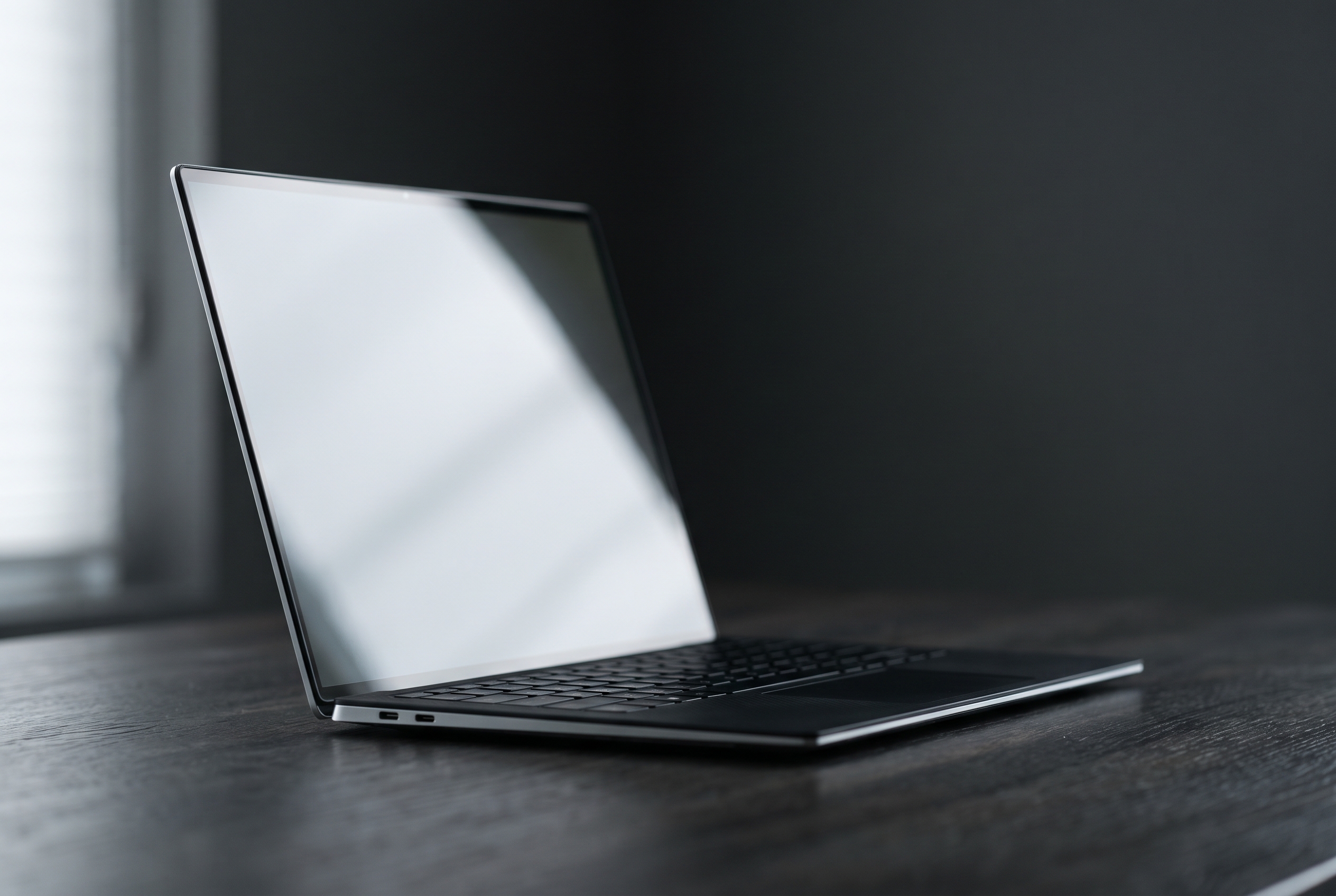
Apple unveiled the first touchscreen MacBook Pro models on 28 October 2026. According to the manufacturer’s official announcement, the two new versions feature a PROLED XDR display, an M5 Pro or M5 Max chip, and Dynamic Island integration.
The significance of this development goes beyond the touch-sensitive panel itself. For a long time, Apple consistently treated conventional computers and touch-controlled mobile devices as separate categories. Just as the unveiling of new iPhones regularly signals changes in its mobile strategy, the touchscreen MacBook Pro crosses a long-standing boundary in the company’s computer range.
The touchscreen does not replace familiar controls
The new model remains a conventional laptop: both the physical keyboard and the trackpad are still present. According to reports from 9to5Mac and Engadget, the classic illuminated Apple logo has also returned to the exterior.
The touchscreen therefore offers an additional input method alongside the keyboard, trackpad and any connected mouse. This is an important distinction from a design that would rebuild the entire computer experience around touch. Users can still choose whichever control method is best suited to the task at hand.
According to CNN, the touch sensor is integrated directly into the display panel. The outlet also reported that macOS interprets touch as a click by default in existing applications. This could reduce the need for every developer to create a separate touch interface immediately.
PROLED XDR is more than a simple panel upgrade
According to Apple’s official information, the screen introduced under the name PROLED XDR uses tandem OLED technology. The manufacturer specifies peak brightness of 2,000 nits, a contrast ratio of 10,000,000:1 and a 120Hz ProMotion refresh rate, while also highlighting support for the Adobe RGB colour space.
Tandem OLED technology uses multiple light-emitting layers. Its practical benefit may lie in the combination of high brightness, deep blacks and strong contrast, which matters primarily when processing photos, videos and other visual content. However, display quality alone does not mean that the more expensive version will be justified for every user.
According to a MacRumors comparison, the PROLED XDR version costs $400 more than the Mini-LED Liquid Retina XDR models. The outlet says the panels have rounded corners and slimmer bezels, with screen sizes of 14.2 and 16.3 inches.
The hinge also had to be adapted for touch
Touching the display of a conventional laptop can easily make the panel move back and forth. According to Engadget’s hands-on experience, Apple therefore redesigned the hinge to reduce screen wobble during touch use.
This is more than a minor convenience. If the panel tilts with every movement, touch interaction can become inaccurate and tiring. The more stable structure shows that adding a touchscreen required not only a new sensor layer but also mechanical changes.
Based on reports from Engadget and MakeTechEasier, the 14-inch version weighs 1.36 kilograms, while the 16-inch version weighs 1.81 kilograms. The reports say the range of connectors still includes HDMI, an SDXC card slot, MagSafe and three Thunderbolt 5 ports.
The new models feature M5 Pro and M5 Max chips
According to Apple, the new MacBook Pro is available with M5 Pro and M5 Max chips. Higher-end configurations can be ordered with up to 128GB of unified memory and a 16TB SSD, while battery life can reach 24 hours, according to the manufacturer’s figures.
Dynamic Island integration is also part of the redesign. This suggests that Apple has not simply added touch capability to the existing macOS interface, but has also brought the screen’s physical design and certain software elements closer together.
According to Mashable, the base configuration offers 24GB of memory and 1TB of storage. Before buying, however, it is worth considering not only memory and storage capacity, but also the display type and the actual requirements of the workflow.
What changed from Steve Jobs’s earlier argument?
Steve Jobs once criticised touchscreen laptops on ergonomic grounds. The screen is positioned vertically, requiring users to raise and extend their arm to operate it. According to Dezeen’s interpretation and CNN’s report, the new MacBook Pro represents a reassessment of that earlier position.
However, this change in direction does not necessarily mean that the previous ergonomic objection has disappeared. A keyboard, trackpad or external mouse may still be more comfortable for extended text input or precise editing. Touch may add more value for quick actions, direct selection, scrolling or the use of certain creative applications.
The company has not completely merged the iPad and Mac. Instead, it has added a previously excluded control method to its professional laptop while retaining the MacBook’s basic form and controls.
Market demand may have outweighed the old principle
According to CNN, competitive pressure from other PC manufacturers, as well as demand from creative professionals and application developers, may have played a role in the decision. Touchscreen Windows laptops have been on the market for a long time, so Apple has introduced a capability that may already be an important consideration for some buyers.
According to an analysis by BigGo Finance, the change in direction may also be intended to protect the company’s position and margins in the premium laptop market. This is an analyst’s interpretation, not Apple’s stated reasoning, but it is consistent with the company introducing the touchscreen in its more expensive professional range.
Apple’s strategy therefore appears to be a cautious compromise. The company has not turned the MacBook into a tablet, but has added touch controls alongside the familiar laptop experience. This could allow it both to preserve the workflows of traditional Mac users and appeal to those who expect more direct interaction.
Everyday use will be the real test
The most important question about the new MacBook Pro is not whether touch works, but how often users will choose it and for which tasks. Touching the display may be quick when activating a button, but it will not necessarily be advantageous in every application or during longer workflows.
Application developers will therefore play a decisive role. Translating clicks into touch input may provide basic compatibility, but genuinely comfortable use may require appropriately sized controls and carefully designed interfaces. Very small icons and dense menus are less precise to operate by touch than with a cursor.
The first touchscreen MacBook Pro marks an important boundary in Apple’s history. The company has not discarded the laptop’s traditional control methods, but supplemented them, overturning one of its longest-standing hardware principles. The value of the innovation will ultimately depend on whether touch genuinely makes professional work faster and more natural, or remains a premium extra that is rarely used.
Sources used
- 1.Apple's First Touchscreen MacBook Pro Hands-Onengadget.comverified
- 2.MacBook Pro Mini-LED vs OLED Guidemacrumors.comverified
- 3.Apple MacBook Pro Touchscreen Financial and Market Analysisfinance.biggo.comverified
- 4.Apple Design Evolution: MacBook Pro Touchscreendezeen.comverified
- 5.MacBook Pro PROLED Overviewmaketecheasier.comverified
- 6.Apple Announces Redesigned MacBook Pro9to5mac.comverified
- 7.Apple MacBook Pro OLED Touchscreen UX Analysisdesigncompass.org
These sources were used during our editorial fact check.