
Életmód & Utazás
Hushpitality in Hungary: where to find quiet autumn breaks
Quiet tourism is becoming a stronger trend, but tranquillity does not mean the same thing everywhere. We looked at what hushpitality means, why it has become important for domestic autumn travel, and what to consider if a genuinely noise-free recharge is the goal.
2026-09-13 · 5 min read
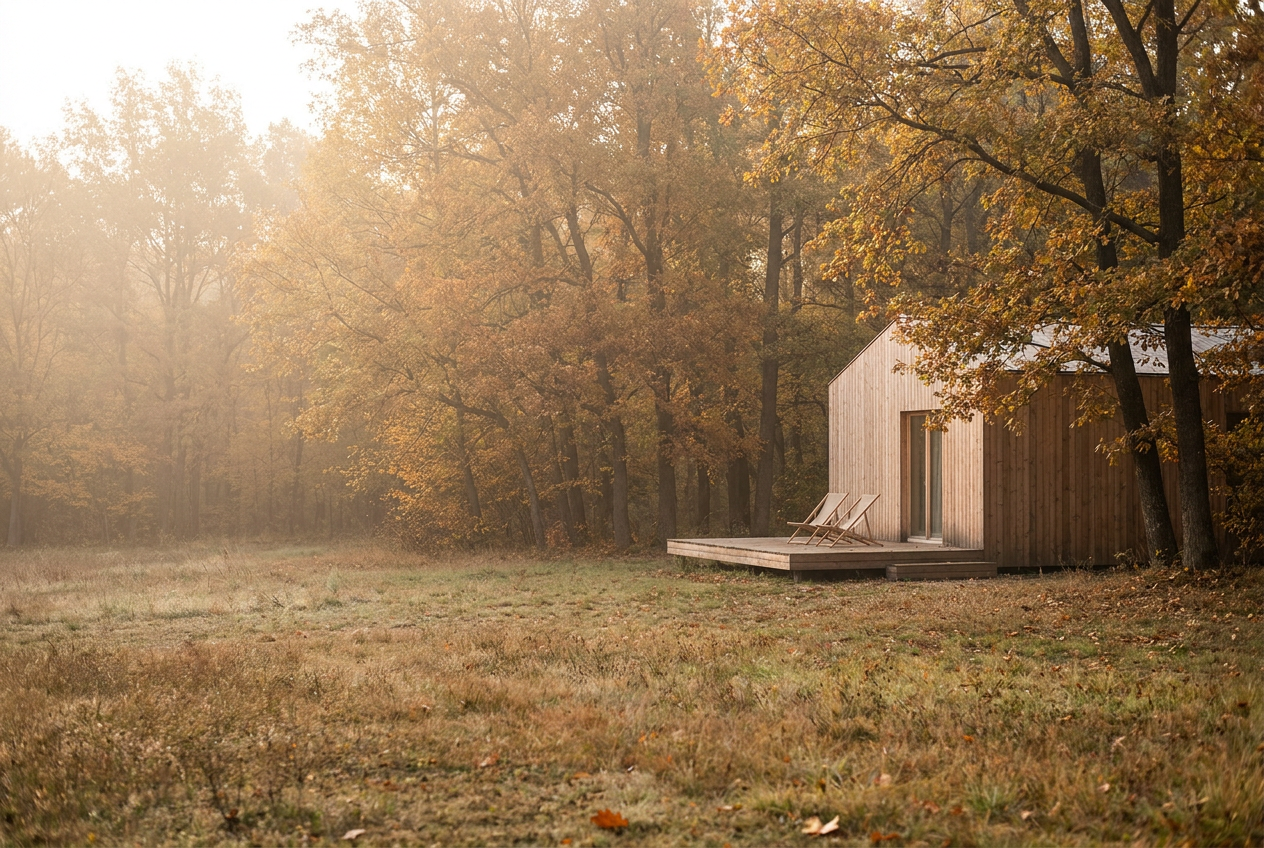
The term hushpitality is appearing more and more often in tourism, combining the words “hush” and “hospitality”. According to international trend analyses, the concept centres on quiet, a slower pace, reduced digital load and a stronger focus on sleep quality. At the same time, it is important to note that this is currently not an official certification, but a market and lifestyle trend, so it is always worth checking the promise of “quiet accommodation” against specific criteria.
This can be especially relevant for domestic autumn breaks. After the summer peak season, many people look for a shorter retreat precisely because they want a calmer environment, fewer stimuli and more predictable rest. The question, however, is not only where it is worth going, but also what actually makes a destination truly quiet.
Why has quiet become so important?
The demand for quiet is not simply a matter of mood or fashion. According to data from the European Environment Agency, roughly 110–125 million people in Europe live with persistent road traffic and environmental noise exposure above the 55-decibel level considered problematic from a health perspective. The same report also states that noise pollution is associated with around 12,000 premature deaths and tens of thousands of new cardiovascular disease cases each year in Europe.
Official Hungarian environmental programmes also highlight the preservation of quiet areas and the reduction of noise exposure as important environmental health goals. This does not mean that a weekend retreat is a health solution, but it does mean that demand for a calm environment is rooted in a real and widely felt burden.
What does hushpitality mean in practice?
Based on international tourism analyses, hushpitality generally refers to an approach in hospitality that supports rest not through programmes and constant activity, but on the contrary through quiet, few disturbing stimuli, a nature-oriented setting and even digital detox. This may include accommodation with fewer units, adult-friendly operations, restrained use of communal spaces or services tailored to sleep quality.
At the same time, the role of technology is not black and white. Some analyses emphasise screen-free and offline rest, while other professional sources suggest that data-driven tourism management can help distribute visitor pressure more evenly and make it easier to find calmer destinations. The two do not necessarily exclude each other: technology working in the background may support quieter travel, while fewer digital stimuli remain the main goal on the guest side.
The trend has reached Hungary too, but it is not equally accessible
Interest in quiet, nature-oriented accommodation is also growing on the domestic market. According to professional and market sources, small forest cabins, treehouses, tucked-away guesthouses and places with only a few rooms that offer peaceful relaxation are increasingly building on the promise of undisturbed rest. According to an article by 24per7, the Treehouses in Noszvaj were one of the early well-known domestic examples of the genre, and since then several similar places have appeared in the Bükk, the Mátra and around the Zemplén.
It can, however, be stated far more cautiously that quiet would be easily accessible to everyone. Based on the available market sources, the list prices of cabins offering guaranteed calm, separate accommodation and a forest setting are in many cases around HUF 120,000–130,000 per night, which is significantly above average room rates. This suggests that “quiet as a service” has in many cases indeed moved into the premium category, although there is no official, comprehensive database in the package on the exact full scale of this on the Hungarian market.
Where is there a good chance of finding a calm autumn destination?
Based on the domestic examples in the source package, the most attractive areas for a quiet autumn break may be those that combine closeness to nature, lower density of development and smaller crowds. Areas repeatedly mentioned in this context include the Bükk, the Mátra, the Zemplén, the Káli Basin and the Szigetköz. These should not, however, automatically be treated as “guaranteed quiet” regions, because tranquillity can vary greatly by location, by weekend and by type of accommodation.
Autumn generally favours quieter travel because there is less traffic tied to the family high season, the days are shorter and the range of programmes is less hectic. Even so, a popular wellness venue, a rural hotel that also functions as a wedding venue or a guesthouse near a busy main road may still be far from what many people are looking for in a true retreat.
What should those seeking real quiet pay attention to?
As there is no official “quiet accommodation” certificate or unified regulatory rating, it is worth checking practical criteria before booking. It is not enough for the accommodation’s marketing material to promise peace: the details often say more.
- Location: it matters how close it is to a main road, railway, event venue or frequently visited tourist spot.
- Type of accommodation: a detached house or cabin is usually quieter than a hotel or apartment building with many rooms.
- Guest profile: some places explicitly prioritise adult-friendly operation or peaceful relaxation.
- House rules: it makes a big difference whether there is a regulated evening quiet period, restrictions on holding events or noise-control expectations.
- Genuine reviews: it is worth specifically checking what guests write about sound insulation in the walls, noise in the surrounding area and night-time quiet.
- Digital environment: if the goal is rest with fewer stimuli, a smaller place with a slower pace may be an advantage, but this should be measured against each person’s own needs.
You do not have to think only in terms of expensive retreats
Although premium cabins represent the trend in a striking way, quiet travel does not necessarily exist only in the high-price segment. Part of the mindset may also be choosing not to book at the best-known weekend peak times, timing a trip for weekdays, choosing a smaller settlement or giving up a few services in favour of a calmer environment. Blog and magazine sources also suggest that the “right to do nothing” and conscious slowing down are themselves part of this trend.
This does not, however, contradict the market reality that guaranteed separate, well-positioned and strongly branded quiet accommodation is often indeed in the more expensive category. For those looking for a similar experience on a tighter budget, booking timing and detailed checking of the location may be especially important.
What does all this mean for domestic autumn travel?
Based on the trend now visible, quiet is increasingly becoming a travel value in its own right. It is not just about wanting to go somewhere beautiful, but also about the quality of rest being shaped by the absence of noise, sleep, smaller crowds and reduced mental load. According to professional analyses, tourism is also increasingly moving away from mass, high-pressure models towards smaller-scale, more liveable and more sustainable solutions.
When choosing a domestic autumn destination, it is therefore worth looking not only at the landscape or the price. For those seeking genuine calm, accessibility, the area’s noise exposure, the way the accommodation operates and whether the place truly offers what the promise of a “quiet break” suggests are at least as important. Hushpitality is currently more of a trend and market language than a standardised category, but one thing seems clear: demand for quiet is not a passing fashion, but an increasingly conscious travel consideration.
Sources used
- 1.Európai Környezetvédelmi Ügynökség zajszennyezési jelentéseeea.europa.euverified
- 2.Csendes pihenés a belföldi turizmusban24per7.huverified
- 3.Rejtett hazai vidékek a feltöltődéshez4life.huverified
- 4.Nemzeti Környezetvédelmi Program (27/2015. OGY határozat)fao.org
- 5.A turizmus jövője és az élhető desztinációkturizmus.com
- 6.Zajterhelés és tünetei a magyar lakosság körébennlc.hu
- 7.Barceló Hotel Group Hushpitality Elemzésbarcelo.com
These sources were used during our editorial fact check.