Filmes hírek
Wicker: Hungarian Creators Shaped Its Visual World
Wicker stands out not only for its Hollywood cast and unusual romantic story. Its fairytale village was created in Hungarian studios, while Hungarian professionals worked on its production design and costumes.
2026-11-02 · 5 min read
Wicker combines a romantic story with dark humour, fairytale elements and satire. From a Hungarian perspective, however, the creative work behind the film is just as interesting: its unusual world was brought to life in local studios with the involvement of Hungarian film and craft professionals.
According to Travel + Leisure Asia, the cast includes Olivia Colman, Peter Dinklage and Alexander Skarsgård. Meanwhile, production designer Renátó Cseh and costume designers András Dániel Tóth and Attila Godena-Juhász played important roles in creating the settings seen on screen.
Hungarian studios became a fairytale seaside village
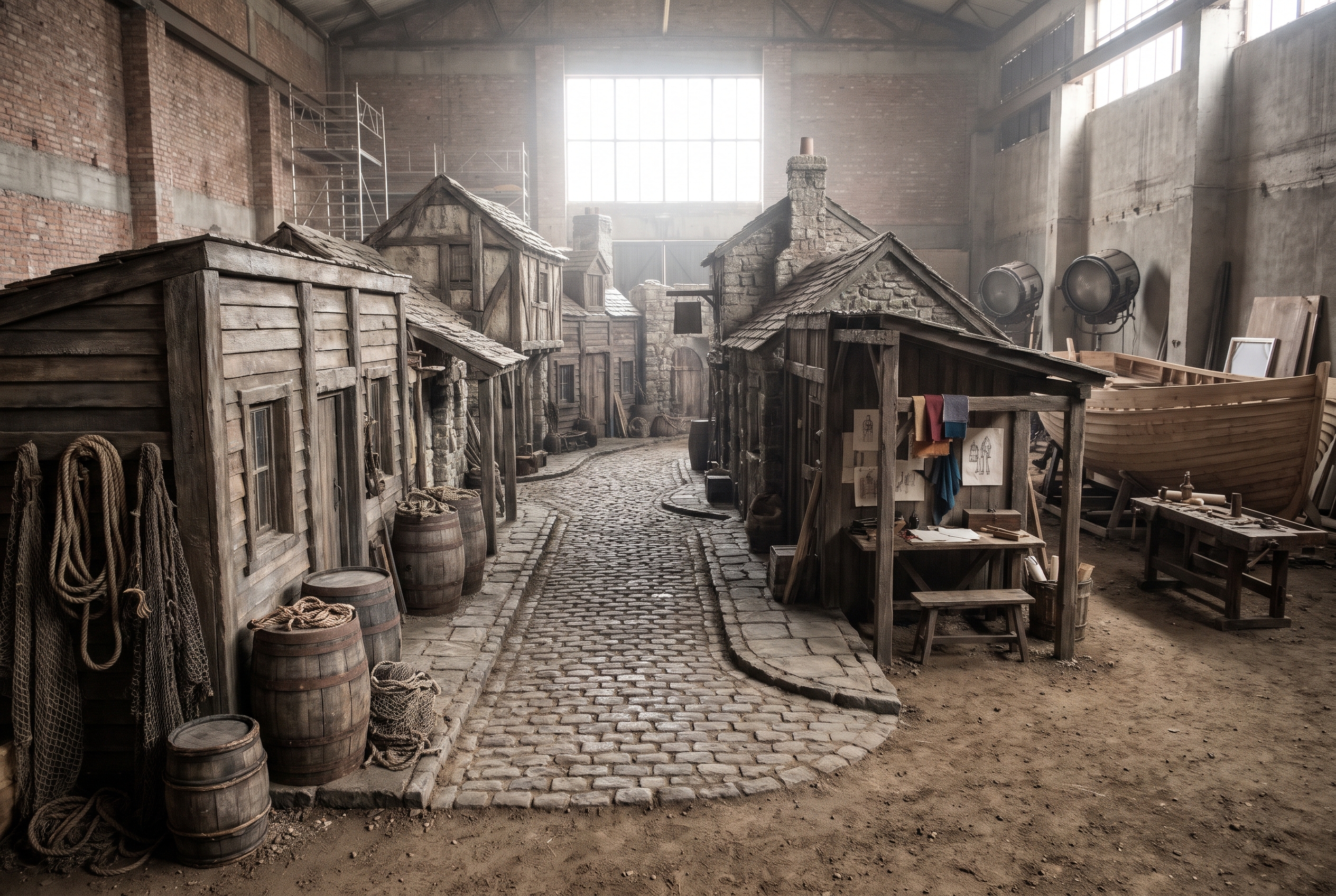
The story is set in a period seaside settlement, but the village was not found on a real coastline. According to MovieWalks, the production used the medieval sets at NFI Studios in Fót and Korda Studios in Göböljárás.
The publication reports that the work in Fót was based around a backlot town previously renovated for the series Hunyadi. The medieval set in Göböljárás provided additional settings for the fictional settlement. Using both locations enabled the film’s world to remain varied yet cohesive.
An existing set does not amount to a finished filming location. Buildings, streets and interiors must be adapted to the new story, then filled with objects, textures and signs of use. This is what can make a studio-built environment feel inhabited and turn a settlement into a place that appears to have a history of its own.
Renátó Cseh led the creation of the visual world
According to MovieWalks, the film’s production designer was Renátó Cseh, who drew on the expertise of Hungary’s craft community to shape the fairytale village. This work is not limited to building façades: every detail of the environment must support the story’s atmosphere and the characters’ world.
Consistency is one of the most important aspects of production design. Streets, workshops, everyday objects and different surfaces work together when they convey the history of the same fictional community. The international successes of Hungary’s film industry are often also built on creative achievements of this kind, which are less visible to audiences.
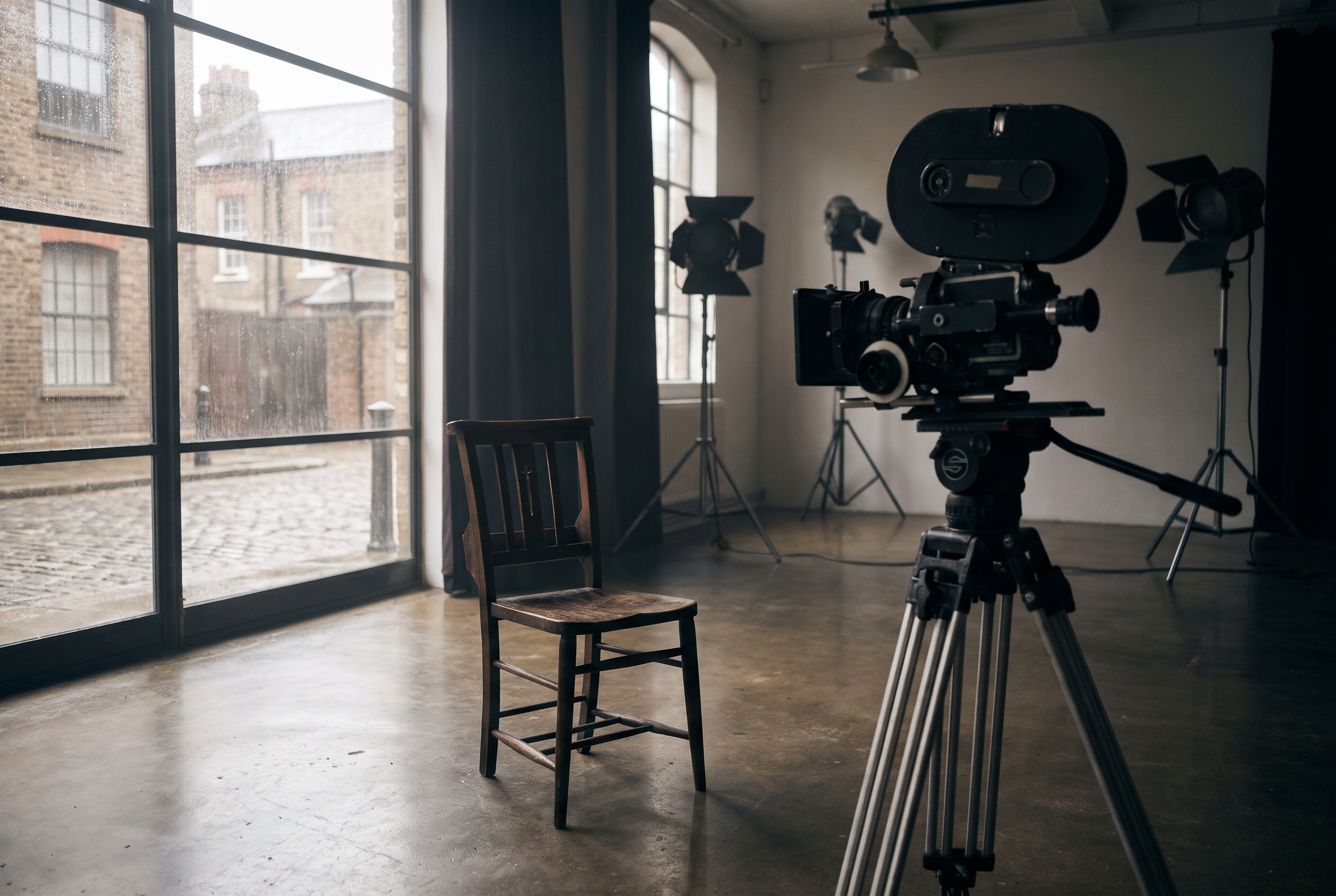
A studio set offers particularly broad creative freedom. The environment does not have to conform entirely to the constraints of a real settlement, so built elements can be adapted to camera movement, lighting and the story’s fairytale-like exaggerations. This can make the final result feel both familiar and disconcertingly unusual.
Hungarian designers gave the costumes character
Clothing provides another important layer of the unusual story’s visual identity. According to a review by The Arts Desk, the costumes were created by Hungarian costume designers András Dániel Tóth and Attila Godena-Juhász. The outfits had to suit both the period setting and the film’s fairytale and satirical tone.
In a story like this, a costume is not merely clothing that looks appropriate to the period. Its material, cut, colour and wear can communicate information about a character’s social position, occupation and personality. Deliberate exaggerations can also contribute to the humour and the story’s strange atmosphere.
Sets and costumes reinforce each other most effectively when they continue to build the same world. The characters’ clothes must blend into the colours and materials of the village setting while remaining distinctive enough to support their characterisation. The work of András Dániel Tóth and Attila Godena-Juhász is therefore directly connected to how viewers interpret the film’s community.
Filming ultimately moved from Wales to Hungary
Filming in Hungary was not a foregone conclusion. According to Nation.Cymru, Wales was also considered, but the Hungarian studios were ultimately chosen. The publication’s report indicates that the available sets played a part in the decision.
The choice also highlights that, for an international film, a location means far more than a suitable landscape. Studio capacity, existing sets, production infrastructure and the team of professionals who turn a concept into a functional filming environment may all be important.
Hungary’s advantage in this case may have been its comprehensive filmmaking infrastructure: the production gained not only space, but also adaptable historical sets and experienced local creators. All of this can be particularly important for a film whose impact largely rests on its distinctive visual world, which defies easy categorisation.
The film tax rebate was also part of the production framework
According to Film New Europe, the production used Hungary’s film tax rebate. The industry publication also reported that the scheme provided a 30 per cent rebate and that the Hungarian government extended it for a further six years in 2024.
A financial incentive alone, however, does not create a film’s world. The studios’ facilities, the adaptability of the sets and the experience of local professionals together make it possible to realise the concept during filming. In the case of Wicker, these factors were closely connected.
Hungarian involvement went beyond the filming location
It would be easy to sum up the Hungarian connection to Wicker by saying that the production used local studios. The film’s example, however, reveals more than that: creating the fairytale village, transforming the sets and designing the costumes were creative achievements in their own right.
The names of Hollywood stars naturally attract considerable attention, but the world perceived by viewers is largely created by professionals working behind the scenes. An object, a worn surface or the cut of a garment may seem like a small detail on its own, but together they define the film’s visual identity.
For Hungarian audiences, therefore, the fact that filming took place in the country is not the only reason for interest. The unusual village setting and visual character of Wicker also preserve the work of Hungarian creators, meaning that the local contribution does not remain in the background of the story but appears recognisably on screen.
Sources used
- 1.Where Was Wicker Filmed?moviewalks.comverified
- 2.Wicker to be shot in Hungaryfilmneweurope.comverified
- 3.Wicker Movie Shooting Locations in Budapest and Hungarytravelandleisureasia.comverified
- 4.Welsh film producer reveals Wicker was almost filmed in Walesnation.cymruverified
- 5.Hungary-shot Wicker begins its cinema runbudapestreporter.com
- 6.Wicker (2026) Box Officethe-numbers.com
- 7.Wicker whimsical love story set to film in Hungarybudapestreporter.com
These sources were used during our editorial fact check.