
Munkajog & Biztonság
Tiszaújváros Blast: HUF 38 Million Safety Fine
A workplace safety investigation following the fatal explosion at the Olefin-1 plant in Tiszaújváros uncovered serious safety shortcomings. In addition to the fine, the employer was ordered to take several measures; the case also shows why human vigilance cannot replace automatic protection systems.
2026-11-03 · 5 min read
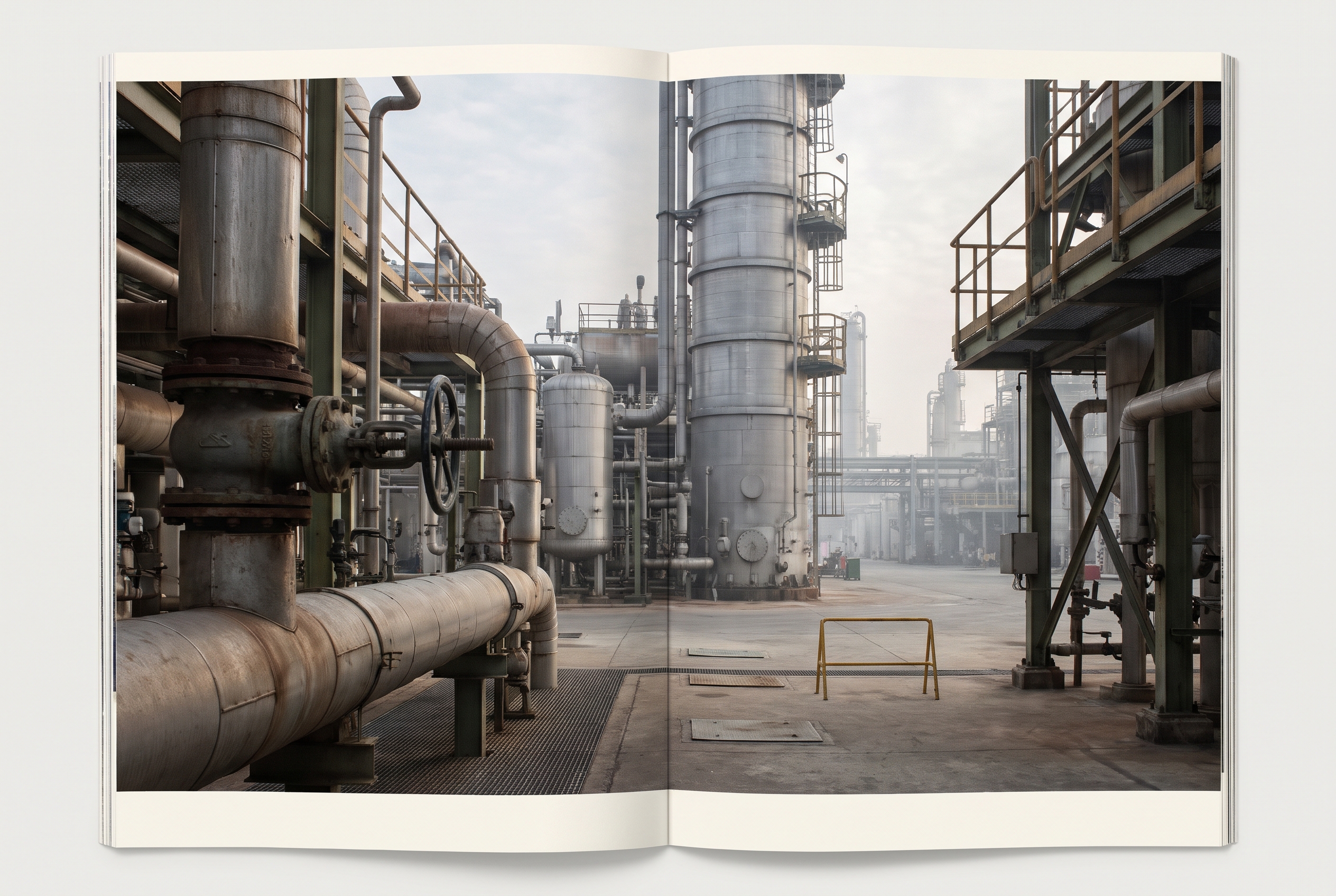
The workplace safety authority imposed a fine of HUF 38 million on MOL Petrochemicals following proceedings over the fatal explosion at the Olefin-1 plant in Tiszaújváros, Telex reported. According to reports on the investigation, it uncovered not only individual breaches of regulations but also shortcomings in recognising and managing hazardous process conditions.
The main lesson from the incident is that safety at a hazardous industrial plant cannot rely solely on workers’ vigilance. Engineering safeguards, maintenance, risk assessment, work organisation and training must function as an integrated, layered system.
The explosion occurred during the restart
According to MOL’s official statement of 22 May 2026, an explosion and fire occurred while the Olefin-1 plant was being restarted after maintenance. The company’s initial report at the time said that one person had died and nine had been injured.
A later HVG report presenting data from the completed official proceedings referred to twelve workers affected in total: one person died, four were seriously injured and seven sustained minor injuries. The discrepancy between the two sets of figures may be because the company statement was issued immediately after the incident and based on preliminary information, while the later summary cited the completed proceedings.
According to a 24.hu report, the Olefin-1 plant processes and separates gaseous and liquid-phase hydrocarbons in closed process systems under varying pressure and temperature conditions. In such an environment, rapidly identifying an abnormal condition is especially important because the danger can spread within a short period.
Engineering safeguards were central to the findings
Citing information from the Ministry of Social and Family Affairs, Telex reported that the sections of the plant affected by the explosion lacked adequate safety equipment. This equipment should have detected and signalled the hazardous process condition in time and safely shut down the process.
The importance of automatic detection and emergency shutdown lies in the fact that the system does not merely signal an abnormality: when predefined conditions are met, it can move the process into a safer state without human intervention. This does not make operators unnecessary, but adds another layer of protection if the hazard develops faster than manual action can be taken.
The safety of hazardous industrial processes generally depends on several mutually supporting elements. These include appropriate design, condition monitoring, detection, alarms and shutdowns, regular inspections, preventive maintenance and worker training. The presence of any one element does not automatically compensate for the absence of the others.
Specific measures were ordered alongside the fine
According to HVG, in addition to the HUF 38 million fine, the employer was ordered to review the plant’s process and safety systems. Based on the report, the risk assessment must be expanded, the affected pipe sections and fittings must be maintained according to a schedule, and accidents must be properly documented.
These measures are interconnected. The risk assessment must identify potential hazards and the necessary preventive measures; maintenance must preserve the safe condition of the equipment; and documentation must make it possible to trace what abnormalities occurred and how the employer responded to them.
The official fine alone will not restore safe operations. From a prevention perspective, what matters is that the identified shortcomings are actually remedied and the implementation of the measures is recorded in a verifiable manner.
Workplace safety and criminal proceedings differ
According to a 444.hu report, the police also opened criminal proceedings on suspicion of negligent endangerment causing death in the course of employment. However, no more recent, confirmed information is available about the progress or conclusion of the investigation, or any possible charges.
It is important to distinguish between the two proceedings. The workplace safety authority examines whether the employer met its obligations concerning the conditions for safe work and may impose measures or a fine where necessary. Criminal proceedings, by contrast, seek to establish the possible criminal liability of specific individuals; any such finding may result from a separate evidentiary process.
There is also no public information on whether internal disciplinary proceedings were launched or whether any individual employment-law consequences were imposed. A finding of organisational shortcomings is therefore not the same as establishing the personal responsibility of a particular worker.
What does safe work mean at a hazardous plant?
Workplaces that use hazardous substances and high-energy industrial processes require particularly rigorous prevention. Safe operation is not limited to the use of protective equipment: processes must be designed, operated and maintained so that hazards can, as far as possible, be prevented or limited at source.
In practice, this may include analysing hazardous conditions in advance, clearly defining operational and maintenance tasks, managing changes in a controlled manner, and conducting inspections before restarting. It is also important to practise emergency procedures and ensure that workers understand what alarms mean and know the procedures that apply to them.
Restarting after maintenance may itself be an operating condition requiring heightened attention. At this stage, system parameters change, components that were previously disconnected may be pressurised again, and deviations may become apparent that do not arise in the same way during steady-state operation. A pre-start inspection therefore has a genuine engineering role rather than being merely administrative.
Worker reports are part of prevention
Workers often encounter abnormalities directly before they appear in management or maintenance systems. In the event of unusual noise, odour, leakage, icing, fault warnings, or abnormal pressure or temperature, prompt reporting and accurate recording of the incident may therefore be crucial.
Internal workplace rules may determine the reporting process. Workers may approach their immediate supervisor, the workplace safety specialist or, where such a role exists, the workplace safety representative. A report may also be submitted to the competent workplace safety authority in the event of a serious or persistently unresolved problem; it is advisable to consult the authority’s official guidance on how to do so.
The report should be factual: it is advisable to specify the location, time, abnormality observed and whether any action has already been taken. Documenting the incident may assist the investigation, but no one should take photographs or recordings in a hazardous area in a way that breaches safety rules or creates an additional risk.
What rights do workers have?
Workers have the right to receive clear information and appropriate training about the risks of their work, preventive measures and what to do in an emergency. Providing the necessary protective equipment, safe work equipment and a safe working environment is fundamentally the employer’s responsibility.
Particularly strict rules may apply to situations presenting an immediate and serious danger, including the question of refusing to work. However, the legal assessment of a specific situation always depends on the circumstances, so those affected are advised to seek help from a workplace safety representative, trade union, authority or legal professional. This information does not constitute personalised legal advice.
Prevention is the most important lesson
The official findings reported in the Tiszaújváros case show that hazardous industrial safety cannot be reduced to a single device, procedure or worker. Automatic detection and shutdown, maintenance, up-to-date risk assessment, documentation and worker reports can together reduce the likelihood of a process deviation becoming a serious accident.
The corrective measures ordered therefore say more than the HUF 38 million fine: the review of process and safety systems, more accurate identification of risks, and reinforcement of maintenance procedures. The real outcome will depend on whether these measures become a lasting part of day-to-day operations.
Sources used
- 1.Robbanás a MOL tiszaújvárosi üzemébenmolgroup.infoverified
- 2.Lezárult a vizsgálat a tiszaújvárosi robbanás ügyében: a munkavédelmi hatóság 38 millió…telex.huverified
- 3.Tiszaújvárosi MOL-robbanás: munkavédelmi szabálytalanságok és bírsághvg.huverified
- 4.Súlyos biztonsági hiányosságokat találtak a tiszaújvárosi MOL üzemben444.huverified
- 5.MOL Tiszaújváros robbanás vizsgálat büntetés24.huverified
- 6.MOL bírság tiszaújvárosi robbanásatv.hu
- 7.MOL Tiszaújváros robbanás vizsgálatblikk.hu
These sources were used during our editorial fact check.