Film
Street Fighter film: Why its bold cast stands out
The live-action Street Fighter film combines an eye-catching cast with a deliberately retro atmosphere recalling the arcade era. Jason Momoa, 50 Cent, David Dastmalchian and several wrestling stars all feature in the adaptation.
2026-10-27 · 5 min read
Few video game adaptations have a cast that sounds as unusual as the new Street Fighter. Jason Momoa plays Blanka, Curtis “50 Cent” Jackson portrays Balrog, and David Dastmalchian takes on M. Bison. The film combines this eye-catching line-up with the series’ inherently flamboyant world and the arcade atmosphere of the 1990s.
The adaptation does not try to soften Street Fighter’s outlandish characters into ordinary figures. Instead, it shows how video game excess can form the basis of a self-aware, visually spectacular action film.
Jason Momoa’s Blanka sets the film’s direction
According to Radio Times, the first teaser already showed Jason Momoa as Blanka. It is a striking pairing, as the wild-looking fighter with electrical attacks is one of the series’ most difficult characters to portray convincingly in live action.
Momoa’s physical presence suits Blanka’s strength and instinctive fighting style. The casting indicates that the adaptation has not opted for a realistic reinterpretation: the well-known actor may help ensure that this unusual character remains suitably distinctive in a live-action setting.
50 Cent enters the fight as Balrog
Balrog, Street Fighter’s boxer, is played by 50 Cent. The performer’s involvement connects the film with the worlds of hip-hop and boxing culture, while also making him a natural fit for the character’s raw, power-based fighting style.
According to Still Real To Us, 50 Cent underwent special training so that he could perform Balrog’s stunts himself where possible. The publication also reported that the performer joined the cast alongside Jason Momoa and Roman Reigns.
Wrestling stars meet character actors
The film’s cast does not end with Momoa and 50 Cent. According to Wikipedia’s community-edited summary, Joe “Roman Reigns” Anoa’i plays Akuma, Cody Rhodes portrays Guile, and David Dastmalchian takes on M. Bison. The casting details should be treated with some caution because earlier reports did not always provide consistent information about the wrestling stars’ characters.
A combination of character actors, musicians and wrestlers could easily fall apart in another film, but bringing visibly different performers together suits Street Fighter. The games’ fighters are defined by distinctive appearances, signature moves and instantly recognisable fighting styles. In this world, physical presence can carry at least as much weight as conventional dramatic acting.
The 1993 setting recalls the arcade era
According to Radio Times, the story is set in 1993 and centres on the World Warrior Tournament. The chosen year creates a direct connection with the period when the series was one of the defining experiences of the arcade scene.
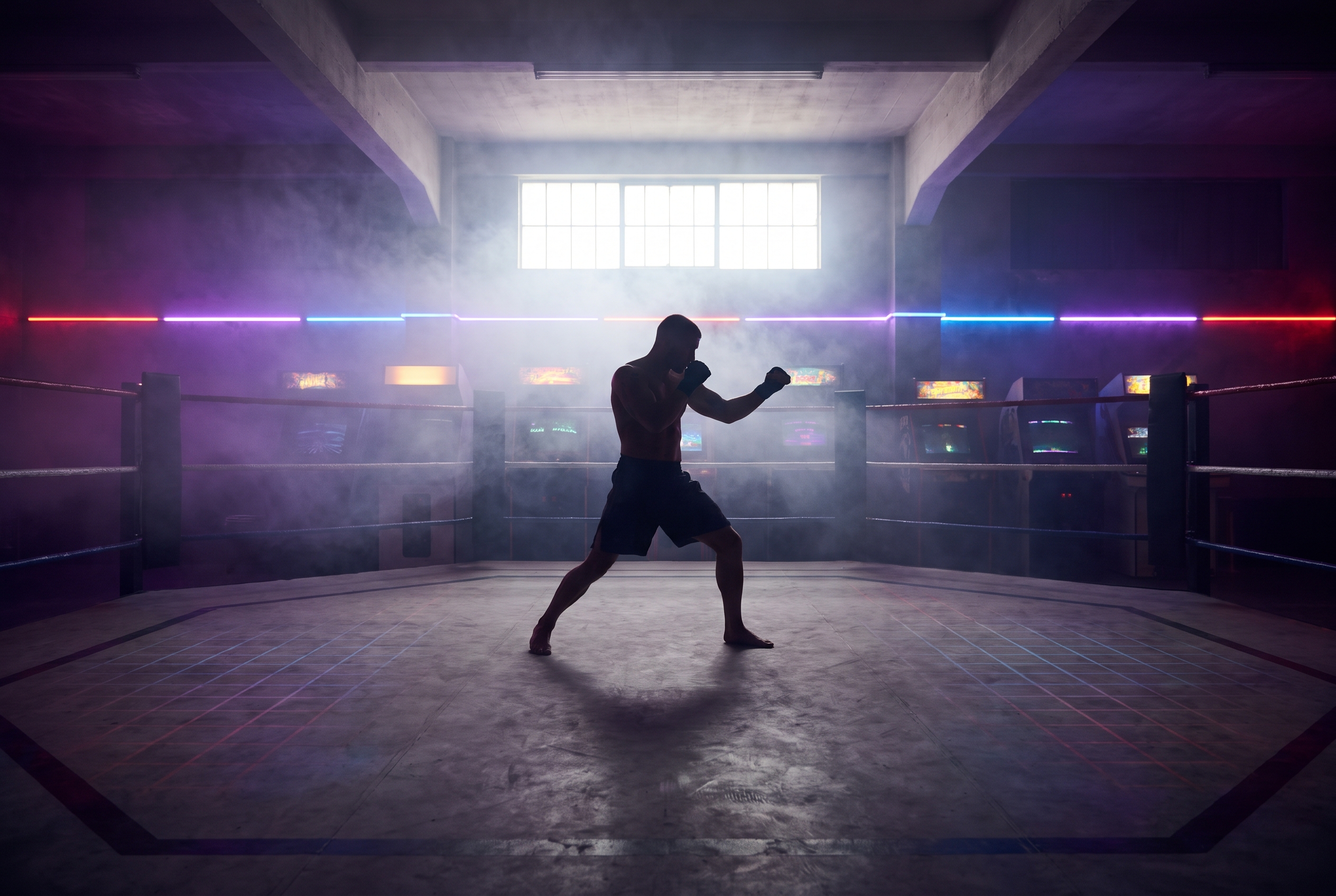
The 1990s are more than a backdrop. The neon lights of arcades, the crowds gathered around the machines and the visual style of the era’s action films create a cultural setting that is familiar to long-standing fans and quickly understandable to new viewers.
This period setting separates the film from today’s digital gaming culture. Much of Street Fighter’s communal appeal grew out of players competing side by side around the same machine. The retro setting evokes that immediacy.
The film embraces video game logic
A recurring dilemma for video game adaptations is how realistic they should try to make the source material. In Street Fighter’s case, excessive seriousness would remove what makes the series recognisable: supernatural attacks, outlandish characters and spectacular clashes between fighters from around the world.
Kerrang!’s review describes the film as humorous and self-aware. According to the publication’s account, M. Bison wants to drain Ryu’s hadouken energy to increase his own electrical power. This conflict openly follows the games’ internal logic rather than grounded realism.
The humour, elaborate costumes and impossible attacks do not mock the source material from the outside, but become part of the adaptation’s tone. The film can therefore preserve the series’ flamboyance while keeping the characters’ goals and the stakes of the confrontations easy to follow.
The tournament gives structure to the large cast
The retro visuals and familiar moves quickly capture attention, but a feature-length film must also bring its many fighters together within a shared story. The differing motivations of Ryu, Ken, Chun-Li, Guile and the other characters could easily turn the plot into a loose series of introductions.
The World Warrior Tournament provides an organising principle for the story. The competition arranges events into individual bouts, while M. Bison’s plan connects the characters’ separate paths. The clashes taken from the games can therefore appear as part of the plot rather than merely as obligatory references for fans.
According to Mashable’s ending explainer, the film has an open ending. This leaves room for the story to continue, although it does not in itself amount to an official announcement of another film.
The production background also merits attention
According to PlayStation Universe, the production was made in collaboration between Legendary and Capcom, with filming taking place in Australia. The publisher’s involvement may have allowed the filmmakers to consult directly on the game world’s characters and defining elements, although the cinematic outcome of that collaboration can only be judged from the finished work itself.
The Village Cinemas listing gives the film a running time of 119 minutes. This provides considerable room for the large cast, although the film must still maintain a careful balance between its central conflict and its colourful supporting roles.
Why do nostalgia and the star-studded cast work together?
Jason Momoa’s Blanka, 50 Cent’s Balrog, Roman Reigns’ Akuma and David Dastmalchian’s M. Bison already distinguish the production from standard video game adaptations. The cast brings together several audiences: alongside long-standing players, it may also appeal to followers of action films, hip-hop and wrestling.
Nostalgia is another source of attention, but the film does not rely solely on familiar costumes and attacks. The 1990s setting gives the story a cultural framework, while the tournament creates a structure in which the many different characters can meet naturally.
The most interesting aspect of the new Street Fighter is therefore not any single famous cast member or spectacular fight. The film shows that flamboyant video game elements do not necessarily need to be replaced with grim realism. Instead, it builds a distinctive action film from the source material’s exaggerated character, drawing on the memories of long-standing fans while offering an accessible entry point for new viewers.
Sources used
- 1.Street Fighter - Village Cinemasvillagecinemas.com.auverified
- 2.Street Fighter movie first look trailerradiotimes.comverified
- 3.Street Fighter (2026 film)en.wikipedia.orgverified
- 4.Street Fighter ending explainedmashable.comverified
- 5.Street Fighter movie reviewkerrang.comverified
- 6.Street Fighter movie cast expandspsu.comverified
- 7.Roman Reigns cast in new Street Fighter moviestillrealtous.comverified
These sources were used during our editorial fact check.