Tech
Google Gemini Live Avatar: how animated faces change AI chats
Google Gemini 3.8 Live’s real-time voice model is getting an animated, speaking video avatar. We explain what the feature can do, who can use it, what the SynthID watermark is for, and what psychological questions a chatbot with a face raises.
2026-10-13 · 5 min read
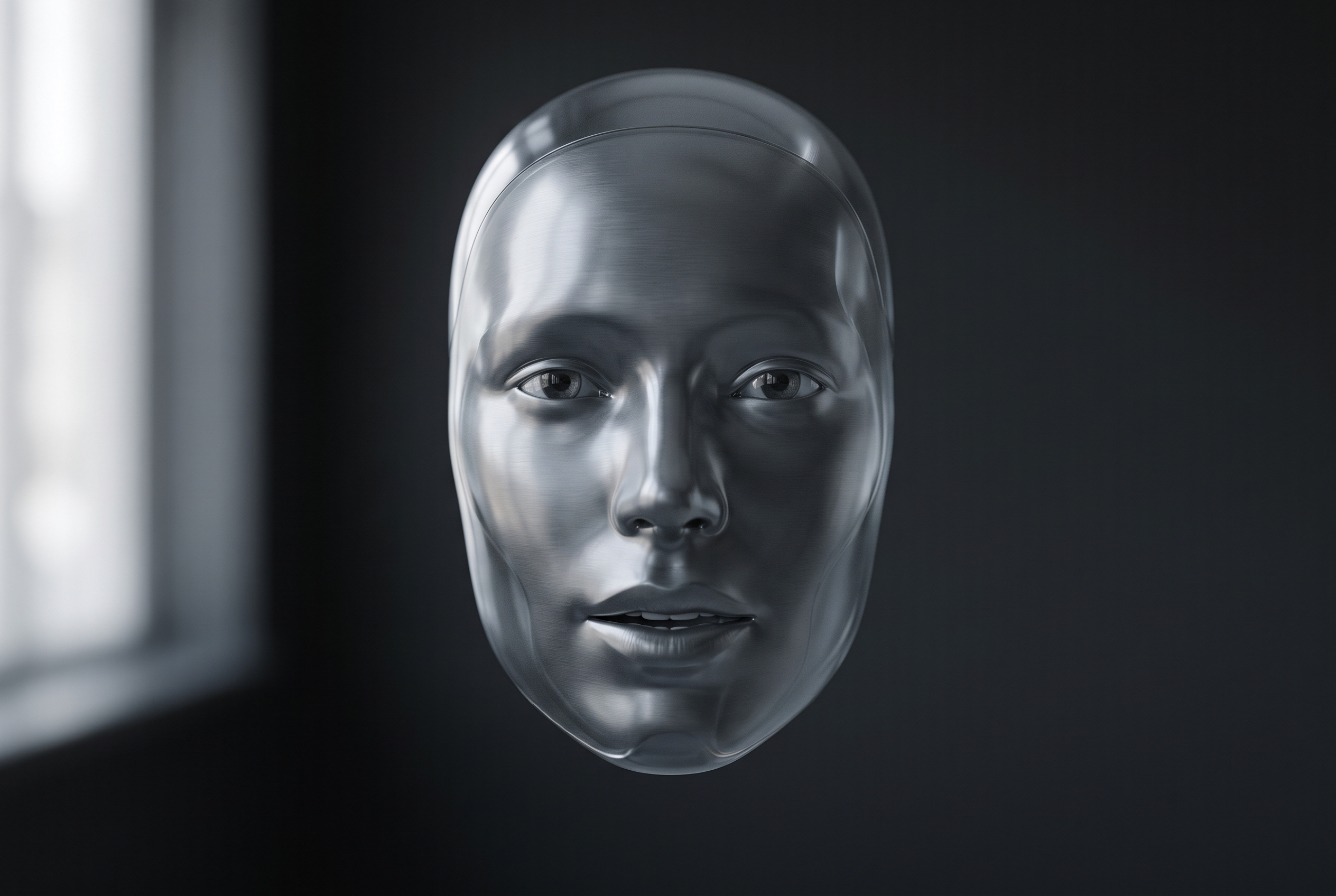
So far, we have typically interacted with artificial intelligence in writing or by voice, but now Google is giving a face to Gemini’s real-time assistant. With the Live Avatar feature linked to the Gemini 3.8 Live system, the machine appears as an animated, speaking character, and its lip movements match the spoken words. The innovation is aimed primarily at businesses, but it also raises a broader question: do we behave differently when a piece of software looks back at us with a face?
What has Google announced?
According to Google Cloud’s announcement of 24 September 2026, Gemini 3.8 Live with the Live Avatar feature has become generally available to enterprise customers. On the same day, the company also presented the development on its official blog.
According to Google’s description, the system combines a native speech-to-speech voice model with low-latency video generation at 24 frames per second. The company says this allows the avatar to speak and pay attention in real time, with its lip movements automatically synchronised with the audio.
Google Cloud says the system supports 97 languages with automatic language recognition, and switching between languages does not cause visual distortion or a drop in quality. The multilingual capability is also highlighted in a report by the technology outlet Ubergizmo. According to the developer documentation, the system can also process the user’s camera feed and screen sharing during a conversation.
How is this different from a traditional chatbot?
The development of AI assistants can be traced in roughly three stages: first text chat became widespread, then voice-based conversation, and now a visible conversation partner is appearing. The difference is not only aesthetic. A face accompanies what is being said with gestures, facial expressions and a gaze that evokes eye contact, in other words it provides cues to which people also respond in everyday communication.
Because the system can also see the user’s camera feed and screen, the situation may resemble a video call. For example, it is conceivable that a customer service avatar could see in real time where someone has got stuck while filling in an online form, and adjust its explanation accordingly.
A custom face for companies, but under strict conditions
According to a report by HVG, businesses can choose between two options: they can select from a pre-made character library, or commission an avatar tailored to their own brand, with a uniform and distinctive gestures.
However, creating custom avatars is not freely available. According to Google’s developer documentation and an analysis by the consulting firm DataNorth, a company must be placed on an approval list and also undergo prior identity verification. This restriction is intended to reduce the risk of someone creating a speaking digital copy using another person’s face without that person’s permission.
On costs, the DataNorth analysis says the additional video output is priced at 1 dollar per million tokens, on top of existing voice and text fees. A token is the unit of data used to measure and bill the use of such AI services.
SynthID: an invisible watermark against abuse
A realistic face speaking in real time could clearly be a tool for deception, so it is especially important how machine-generated content can later be identified. According to Google Cloud’s announcement, all audio and video outputs from the system are marked with a SynthID digital watermark that is imperceptible to the naked eye and ear.
The point of the watermark is to ensure that artificially generated material remains identifiable even if it leaves its original context, for example if it is forwarded or shared on social media. This is one tool for defending against deepfake-type abuse, but it is not a cure-all: recognising it requires a verification tool capable of reading the signal, and ordinary viewers will not see it on their own.
What about private users and Europe?
Press coverage, including HVG’s article, focuses mainly on the business rollout. At the same time, information in Google Gemini’s help pages indicates that avatar features also exist for personal Google accounts, but according to the help pages these are currently unavailable in the European Union and the European Economic Area for regulatory reasons. This means private users in Hungary are unlikely to be able to create such an avatar for now; so far, no public information has been published on when this might change.
According to Google’s help pages, where the feature is available, users must be at least 18 years old to record their own avatar, and specific lighting and audio environment conditions must also be met when making the recording. Based on the help information, minors cannot create an avatar using their own face and voice.
Trust or manipulation? The psychology of the face
The face is one of the strongest signalling systems in human communication, so it is not surprising that researchers are also examining how digital humans affect us. A peer-reviewed study published in 2025, for example, analysed perceptions of digital human avatars, trust in them and the movement of viewers’ gaze, in other words how an artificial face influences viewers’ trust.
The business side puts it more firmly than that. According to a marketing blog post by avatar developer D-ID, the presence of a human face can make the connection feel more direct and strengthen emotional engagement. However, this is the position of an interested company, not an independent research finding, so it is worth treating it accordingly.
The same effect can also pose a risk. An article by the technology outlet Mashable warns that an AI with a friendly face may simulate excessive empathy, and people may be more inclined to share personal information with an interface that appears to respond visibly. In the outlet’s interpretation, this is also troubling from a data protection perspective, because an assistant with a face may become a more effective data collection tool.
This is also connected to the phenomenon known as the “uncanny valley”: if an artificial face is almost, but not quite, human, it may provoke unease rather than trust in many people. Designers of avatars therefore need to create characters that are both natural enough and clearly machine-made enough at the same time.
What is worth paying attention to when the machine speaks with a face?
Behind the animated avatar is the same software as behind a voice-based or text-based assistant, only its appearance is more human. It is therefore worth treating it with the same caution: a smiling face does not mean the conversation is more confidential or better protected.
If someone encounters such an avatar in a company’s customer service, it is sensible to find out how the data from the conversation and the camera feed are handled, and to provide only the information that is genuinely necessary. Our earlier guide on privacy settings may also be a useful starting point here. Gemini’s avatars show clearly where the technology is heading: machines are speaking in increasingly human forms, which makes conscious, critical use ever more important.
Sources used
- 1.Human Perception of Digital Avatars Studypmc.ncbi.nlm.nih.govverified
- 2.Gemini 3.8 Live with Live Avatar General Availabilitycloud.google.comverified
- 3.Gemini 3.8 Live Model Guide and Technical Documentationdocs.cloud.google.comverified
- 4.Google Gemini Help Centersupport.google.comverified
- 5.Google Releases Gemini 3.8 Live Technical Analysisdatanorth.aiverified
- 6.Google Gemini 3.8 Live Adds Real-Time Animated Live Avatarubergizmo.comverified
- 7.Google Gemini Live Avatar Features and Impactmashable.comverified
These sources were used during our editorial fact check.