Gazdaság
Strong dollar, weaker forint: what it means for households
The dollar has strengthened to a one-and-a-half-year high, putting pressure on the forint. We explain where this may show up first, from webshop purchases to fuel, and what households should watch in their budgets.
2026-10-12 · 5 min read

According to Portfolio's report, the dollar has climbed to a one-and-a-half-year high on international markets, keeping pressure on the forint and other emerging-market currencies. At first glance, this may seem like a distant stock market story, but a strong dollar can filter into everyday spending in several ways. We have collected where its effects are worth expecting and what can be done so that the household budget does not feel them too sharply.
What does the exchange rate mean for everyday shopping?
The National Bank of Hungary publishes the official mid-market exchange rates every day. The mid-rate is a reference value: banks, exchange offices and card companies use their own buying and selling rates in relation to it, so retail customers usually face a less favourable rate.
According to Portfolio's analysis, a stronger dollar increases import costs. This matters because the world market price of many products and raw materials is set in dollars, so the final price paid in forints can rise even if the product's dollar price remains unchanged.
Inflation: a low average, but not true for every product
According to data from the Hungarian Central Statistical Office, in September 2026 consumer prices were on average 1.6 per cent higher than a year earlier. This points to relatively moderate price growth.
At the same time, significant differences may lie behind the average inflation figure across product groups. If the forint price of imported goods rises, that can still weaken households' purchasing power even if overall inflation remains low. A weaker forint may primarily affect products whose prices are closely tied to foreign sourcing, while the prices of domestic services depend on other factors.
Fuel and consumer electronics: these react the fastest
According to the Hungarian Central Statistical Office's flash reports on consumer prices (the July 2026 and December 2025 editions), the prices of durable consumer goods such as jewellery, furniture and electronic products, as well as motor fuels, respond directly to exchange-rate movements and import prices.
In practice, this means that anyone planning to buy a new phone, laptop or household appliance should keep an eye on how prices move. The effect may also appear in refuelling costs, since the world market price of crude oil is set in dollars.
At the same time, it is not possible to say exactly how quickly a weaker forint reaches shop shelves and petrol stations. Because of traders' existing inventories and pricing buffers, the pass-through may be delayed by days or even weeks, and its extent does not necessarily match the exchange-rate movement.
Webshops and subscriptions: the difference shows up immediately here
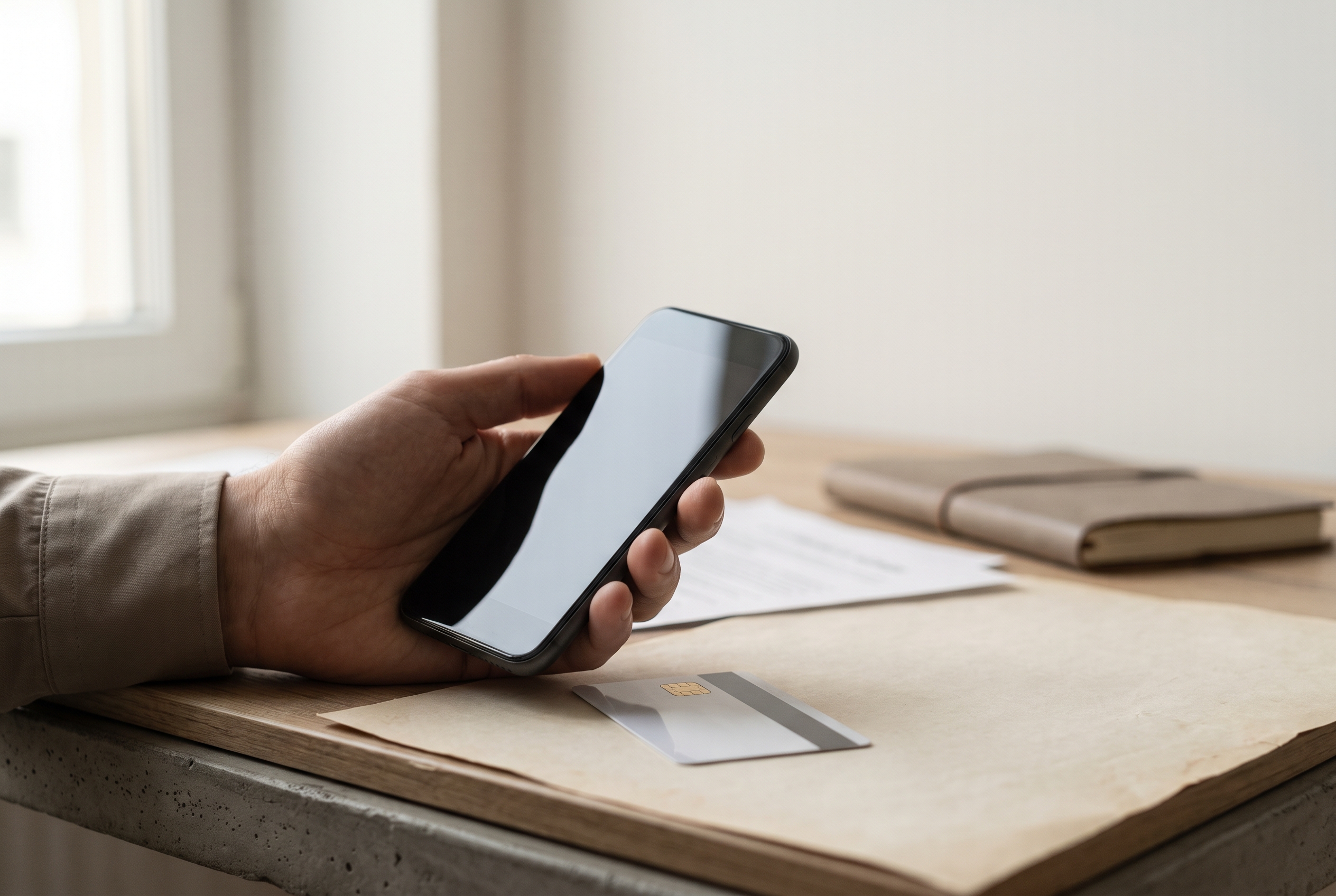
According to Money.hu's analysis, a stronger dollar directly makes purchases from foreign online shops priced in dollars and international digital subscriptions more expensive. Here there is no inventory to delay the effect: the charge is made at the exchange rate in force at the time of payment.
A simple illustrative calculation shows the scale. For example, if we use a dollar exchange rate of 330 forints, a monthly streaming or software subscription costing 10 dollars comes to about 3,300 forints, excluding the bank's exchange-rate spread. If the exchange rate moves by 10 forints, a 100-dollar online purchase may already cost 1,000 forints more or less. With several subscriptions running in parallel, these small differences can add up to a noticeable amount over a year.
The hidden cost: the conversion margin
According to Bank360, during periods of dollar strength it is particularly worth paying attention to the hidden costs caused by conversion margins in foreign card spending and online purchases. The conversion margin is the difference charged by the bank or card company compared with the reference exchange rate when payment is made in a foreign currency from a forint account.
This cost often does not appear as a separate item, but is built into the exchange rate applied. That is why it is worth checking the terms of your own bank account and bank card: what exchange rate the bank uses, whether there is a separate foreign exchange fee, and what options exist for handling dollar payments.
What happens to savings held in forints?
According to Bankmonitor's analysis, Hungarian households hold significant savings in cash and in sight deposits, averaging more than 2.3 million forints per person. According to the site, import-price increases caused by exchange-rate weakness lead to a loss of real value for non-diversified savings held only in forints.
It is worth separating two effects. In the short term, a weaker forint is felt mainly in spending: some imported products and dollar-priced services may become more expensive. Over the longer term, however, if import-driven price increases persist, the purchasing power of saved money may also fall: the nominal value of the amount in the bank account does not change, but the same amount of money buys less.
Bankmonitor therefore emphasises the importance of spreading savings, in other words diversification. What form that may be appropriate in for a given person depends on personal goals, the investment horizon and willingness to take risk.
What is worth watching in the household budget now?
- Reviewing subscriptions: it is worth listing which services bill in dollars and which ones are really needed.
- Larger technology purchases: if the purchase is not urgent, it is worth comparing prices across several retailers and tracking price movements.
- Card payments abroad and online: it is useful to check your bank's exchange rates and foreign exchange fees.
- Savings: it is worth considering what share of saved money is held only in forints, and consulting an independent financial professional if necessary.
A strong dollar on its own does not mean immediate, visible price rises in every area, and low average inflation also limits the effect. But for dollar-denominated spending, electronics and fuel, it is worth planning more consciously, especially if the forint remains under pressure for a prolonged period. This article provides general information and does not constitute personalised financial or investment advice.
Sources used
- 1.Fogyasztói árakksh.huverified
- 2.Deviza árfolyamok és elemzésekportfolio.huverified
- 3.Infláció és lakossági megtakarításokbankmonitor.huverified
- 4.USD árfolyam és hatása a lakosságramoney.huverified
- 5.Dollár árfolyam és bankkártyás fizetésekbank360.huverified
- 6.Fogyasztói árak gyorstájékoztatóksh.huverified
- 7.Hivatalos MNB devizaarfolyamokmnb.hu
These sources were used during our editorial fact check.