
Technology
Electric cars in everyday life: is it worth switching now?
Electric cars are no longer the future — they're the present. But what does it actually mean to own one? Costs, charging, range — everything you need to know.
2026-05-22 · 8 min read
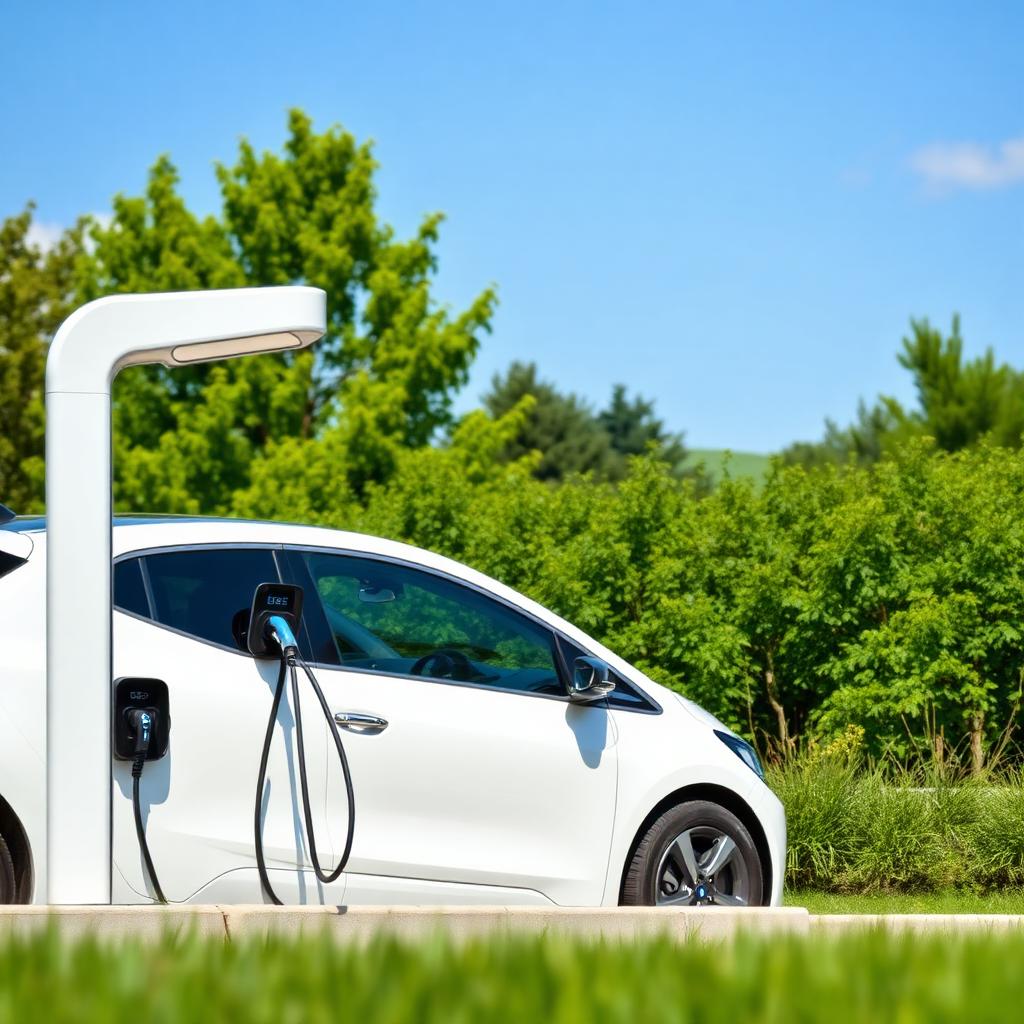
The debate around electric cars has completely changed in recent years. Just a few years ago, the question was whether they would ever become mainstream — today it's more a matter of when to switch. The numbers speak for themselves: by 2025, a significant share of new car sales across Europe were already electric or hybrid, and Hungary's electric fleet is growing year by year too. But does switching actually pay off for the everyday user?
Let's start with the most important question: cost. An electric car's purchase price is still higher than a comparable gasoline model, but state subsidies and the growing used-car market ease this considerably. The real savings show up in operating costs. With home charging, 100 kilometers costs around 1,500-2,500 forints, compared to 8,000-10,000 forints for gasoline. At 15,000-20,000 kilometers a year, that adds up to a significant amount.
Maintenance is also cheaper. An electric motor has a fraction of the moving parts, there's no oil change, no timing belt, and the brakes last longer thanks to regenerative braking. The big unknown is of course battery life, but experience shows that after 8-10 years or 200,000-300,000 kilometers, batteries still retain 80-90 percent of their capacity.
Range concerns many people, but modern electric cars can cover 350-500 kilometers on a single charge under real-world conditions. That's more than enough for most Hungarian users, since the average daily drive is around 40-60 kilometers. They're also suitable for longer trips if you plan your stops — Hungary's fast-charging network has expanded dramatically in recent years.
Home charging is the real game-changer. If you can install a home wall charger (wallbox) at your own parking spot, you'll practically start every morning with a full battery. No more standing at gas stations, no more queuing. An 11 kW wall charger can take an average battery from 0 to 100 percent in 6-8 hours — overnight, at discounted electricity rates.
There are, of course, downsides too. Charging can be difficult for people living in apartment buildings, although more and more shared chargers are being installed. Planning matters more than with gasoline cars on longer highway trips. In cold winter weather, range can drop by 15-25 percent. Automakers are still learning how to build electric models, so quality issues occasionally arise.
The environmental benefits are undeniable, though not black and white. Manufacturing batteries is a polluting process, but looking at a vehicle's full lifespan, an electric car's carbon footprint is significantly smaller than that of a comparable combustion-engine vehicle — especially when charged with renewable energy. Hungary's energy mix is also getting cleaner year by year.
If you're facing this decision now, it's worth testing first. Rent an electric car for a few days and try it out with your own habits. Honestly calculate how much you drive, where you park, and how much you spend on fuel. For most urban and suburban users, the answer will be clear: switching is no longer a question for the future, but an opportunity for the present.