
Gazdaság & Pénzügyek
Diesel subsidy and tobacco tax: autumn budgets
Eligible diesel car owners do not need to submit a separate application for the subsidy, but the payment method makes it worth checking who paid the vehicle tax and from which account. Excise duty on tobacco products will rise from November, although the exact retail price increase may vary by product.
2026-11-04 · 5 min read
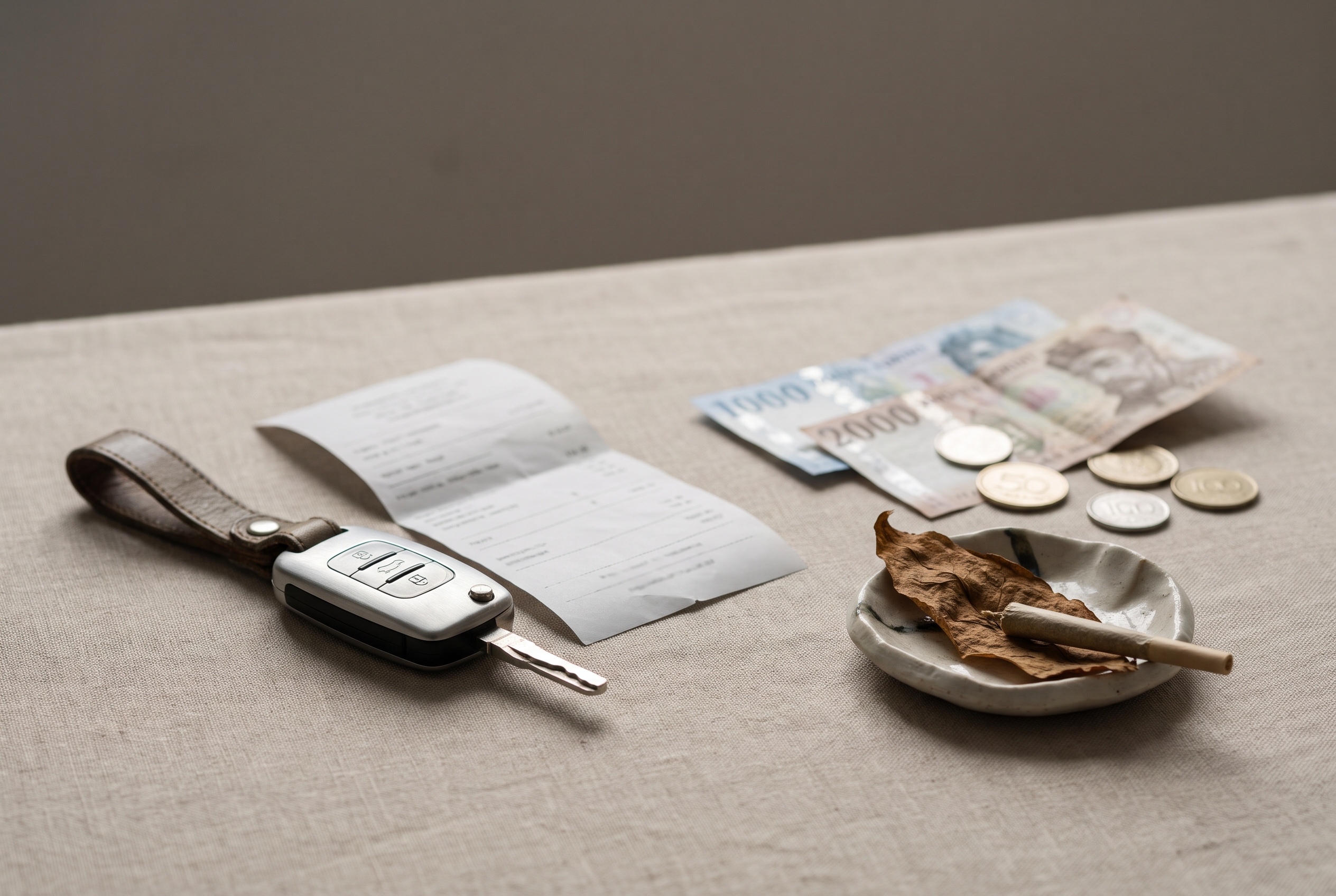
Two measures this autumn could affect household finances. According to the government’s guidance, eligible private owners and registered keepers of diesel cars with up to 150 horsepower could receive a total subsidy of HUF 20,000 by the end of the year. Excise duty on tobacco products will also rise from November.
The diesel subsidy is automatic, so as a general rule there is no application to complete. However, the bank account from which the vehicle tax was paid plays an important role in the transfer. For tobacco products, the scale of the tax increase is known, but the price rise seen at the checkout will also depend on how much market participants pass on to consumers.
Who can receive the diesel subsidy?
According to the government’s guidance, the compensation is intended for private owners and registered keepers of diesel cars with up to 150 horsepower, or 110 kilowatts. The subsidy is HUF 5,000 per month, bringing the total to HUF 20,000 by the end of the year.
According to the eligibility guidance from Hungary’s National Tax and Customs Administration (NAV), company cars are not eligible for the subsidy. Sole traders and agricultural producers may nevertheless qualify if they meet the conditions both as private individuals and in relation to the vehicle.
Eligibility therefore requires more than simply owning a diesel car. The power limit and the person’s status as owner or registered keeper both matter, as does whether the vehicle is a company car excluded from the subsidy under the rules.
No application is required
According to the government’s guidance, there is no need to apply separately for the subsidy. Eligibility will be determined using data from official registers, while the Hungarian State Treasury will make payments by bank transfer or post.
According to the announcement, the amount is tax-free and cannot be subject to enforcement proceedings. Anyone unsure whether they meet the conditions should check the details on NAV’s diesel subsidy information page.
Automatic payment simplifies the process, but it also means that payment relies on information held in official registers and data linked to tax payments. This makes the method used to pay the vehicle tax particularly important.
Which bank account will receive the money?
According to NAV’s guidance, the automatic payment is sent to the bank account from which the vehicle tax was paid. A different bank account number cannot be registered for the subsidy.
This rule may come as a surprise if the tax was not transferred from the vehicle owner’s or registered keeper’s own account. According to a report by 24.hu, there have been cases in which the money was sent to the third party who had previously transferred the vehicle tax. The publication also cited examples in which another person had helped with the tax payment.
Those expecting the subsidy should therefore review the bank receipt for their vehicle tax payment. If the transfer was not made from the eligible person’s own account, they should contact NAV or the Hungarian State Treasury’s official customer service to clarify their individual circumstances. This is general information and does not constitute individual tax or legal advice.
Several dates matter for postal payments
For those who do not receive the subsidy by bank transfer, the postal delivery schedule is important. According to NAV’s guidance on postal delivery, payments will be made in four instalments.
The guidance lists 30 September, 30 October, 13 November and 7 December as the dates of the four payment rounds. The actual receipt of a postal item may also be affected by the delivery process, so it will not necessarily reach every recipient on the same day.
If an eligible person has not received the expected amount, they should first establish whether payment is due by bank transfer or post. They can then check how the vehicle tax was paid and the postal address recorded in the official registers.
Businesses and hauliers are in a different position
The subsidy for private individuals is not a general fuel compensation scheme. As company cars are ineligible, a significant proportion of diesel vehicles owned by businesses fall outside the group of beneficiaries.
According to a report by Portfolio, NiT Hungary and the Hungarian Independent Hauliers’ Association criticised the measure because freight operators and businesses will not benefit from it. This response highlights that support for passenger-car users and the cost pressures facing road haulage are two separate issues.
Sole trader status does not, however, automatically mean exclusion. According to NAV’s guidance, a sole trader or agricultural producer may receive the subsidy if they otherwise meet the conditions applying to the private individual and the vehicle.
Excise duty on tobacco products rises in November
According to a report by Telex, the adopted legislative package covers both the diesel subsidy and the November increase in excise duty on tobacco products. The tax change affects several product categories, but not to the same extent.
According to a summary by Világgazdaság and an analysis by Adótanácsadó, the tax burden on heated tobacco products will rise by about 25 per cent, while that on fine-cut smoking tobacco will increase by 26 per cent. The published percentages refer to excise duty, so they are not the same as the expected percentage change in retail prices.
For cigarettes, the cited reports mention a tax rate of HUF 59,800 per thousand cigarettes. This alone does not mean that the price of every packet will rise by the same amount, as other costs and the pricing decisions of manufacturers and retailers also help determine the final consumer price.
How much more could smoking cost?
According to an estimate by Világgazdaság, consumer prices could rise by about 5 per cent for cigarettes and about 10 per cent for heated tobacco products. These are not guaranteed price changes: the publication says the actual increase will depend on how much of the higher tax market participants pass on to consumers.
When planning a household budget, it is therefore unwise to assume a single increase applying to every brand. The tax increase affects product groups differently, while changes in consumer prices may also vary by brand, pack size and date.
The potential additional monthly cost can be illustrated from current spending using the percentage estimates. With monthly spending of HUF 10,000, a 5 per cent price rise would increase the monthly cost by HUF 500, while a 10 per cent rise would add HUF 1,000, assuming the quantity purchased remained unchanged. This is solely a financial example and does not constitute individual financial or health advice.
What should people check now?
Diesel car users should first check whether their vehicle falls within the limit of 150 horsepower, or 110 kilowatts, and whether it is owned or registered to a private individual. No separate application is required, but the bank account used to pay the vehicle tax may determine where the transfer is sent.
For postal payments, the schedule and the registered address may be important. If the amount has not arrived, or has gone somewhere unexpected, NAV and the Hungarian State Treasury’s official customer services can provide appropriate information to clarify the individual circumstances.
Buyers of tobacco products should prepare for higher prices from November, although the exact change cannot be predicted for every product. The confirmed starting point is the tax increase; the difference at the checkout will depend on how much is passed on. The two measures may therefore affect household budgets in opposite directions: eligible car users could receive total compensation of HUF 20,000, while regular smokers may face a lasting increase in their spending.
Sources used
- 1.Így érkezik a dízeltámogatáskormany.huverified
- 2.A dízeltámogatásra való jogosultsággal összefüggő kérdéseknav.gov.huverified
- 3.A dízeltámogatás összegét tartalmazó kifizetési utalványok postai kézbesítésével összef…nav.gov.huverified
- 4.Dízeltámogatás és dohánytermékek jövedéki adójavg.huverified
- 5.Dízeltámogatás: félrement kifizetések24.huverified
- 6.Dízeltámogatás és jövedéki adóazadotanacsado.huverified
- 7.Dízeltámogatás: kiakadtak a fuvarozók a kormány lépésénportfolio.huverified
These sources were used during our editorial fact check.