Kultúra
State Honours: Krasznahorkai and Schiff Recognised
Artists, scholars and public figures were honoured on the 70th anniversary of the 1956 Revolution and War of Independence. The list also serves as a cultural guide, highlighting major bodies of work ranging from László Krasznahorkai’s prose and András Schiff’s piano artistry to the films of Ildikó Enyedi and Márta Mészáros.
2026-11-05 · 5 min read
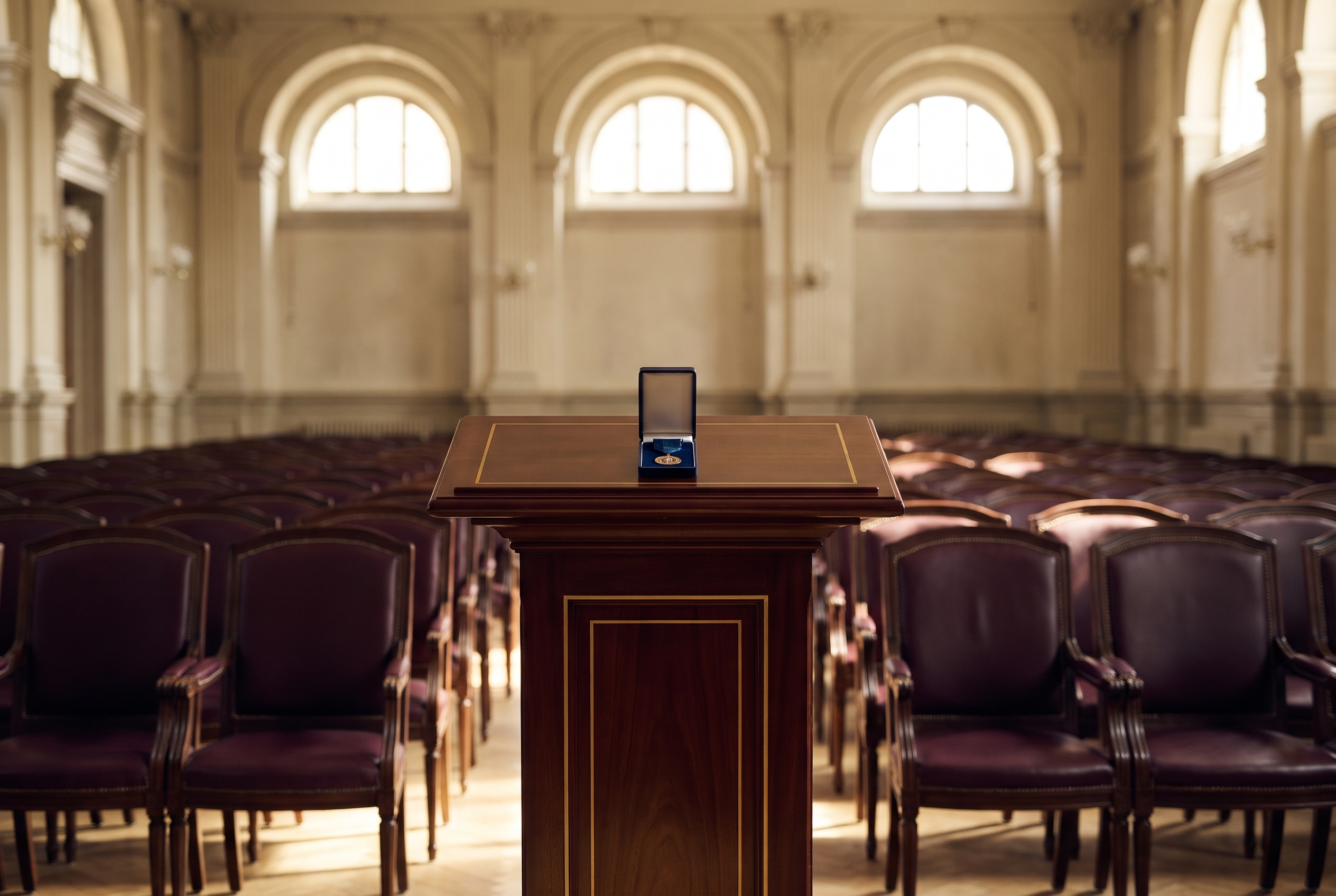
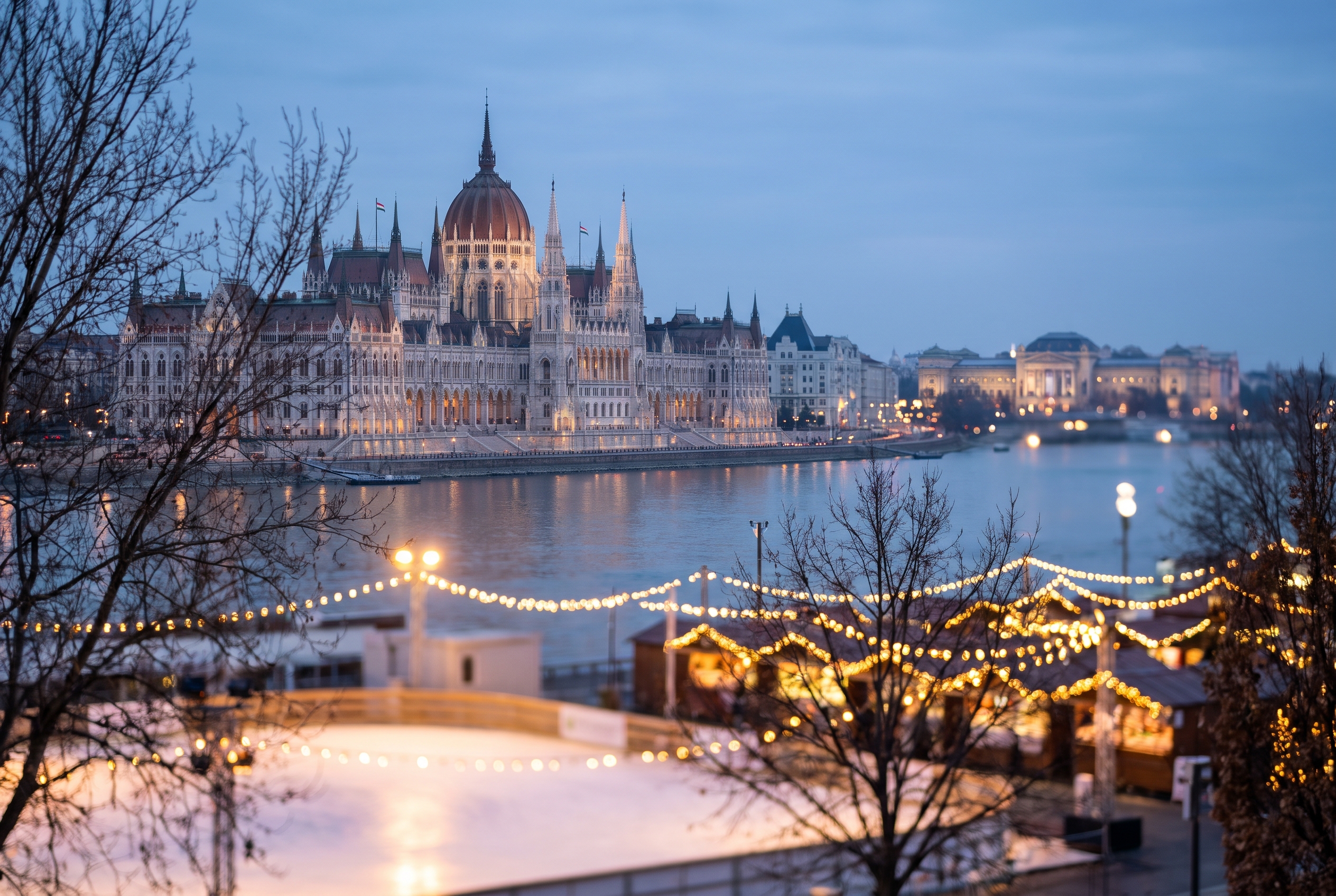
State honours were presented on 21 October 2026 in the Dome Hall of the Hungarian Parliament Building to mark the 70th anniversary of the 1956 Revolution and War of Independence. According to the government statement, writer László Krasznahorkai, political scientist and sociologist Péter Kende, and pianist András Schiff received the Civilian Division Grand Cross of the Hungarian Order of Merit.
The list of recipients brings together several leading figures from literature, film, music, science and public life. The honours therefore also offer readers a good opportunity to discover new works or return with fresh eyes to a familiar novel, film, poem or piece of music.
László Krasznahorkai received the honour in person
According to the MTI report, László Krasznahorkai received the honour in person at the ceremony, while András Schiff and Péter Kende will receive theirs at a later date. The report did not specify the exact time or place of the later presentation.
The official citation published in the Hungarian Gazette highlights the international significance of Krasznahorkai’s literary career. It states that his works explore fundamental questions of human existence, the historical experience of Eastern Europe and encounters between cultures, while strengthening the reputation of Hungary and Hungarian culture worldwide.
An introduction to Krasznahorkai’s dense prose world
László Krasznahorkai’s works are often instantly recognisable for their long, flowing sentences, sombre atmosphere and the uncertainty surrounding their characters. His prose does not necessarily offer a quick reading experience: it demands attention, but in return builds enclosed, unsettling worlds through a distinctive rhythm and powerful imagery.
Those interested in his body of work should first consider which approach appeals to them most. Novels depicting social disintegration and communities’ vulnerability offer a different reading experience from texts concerned with distant cultures and the nature of art. When reading Krasznahorkai’s books, it can be particularly useful to proceed slowly and pay attention not only to the story but also to the rhythm of the sentences.
The cinematic dimension of his work can also provide an important point of entry. The Filmhu report also draws attention to the creative partnership between Krasznahorkai and Béla Tarr. Their collaboration shows how a prose world can be transformed into images, time and a distinctive cinematic rhythm. The films are therefore not mere illustrations of the literary texts, but independent interpretations.
András Schiff’s career invites attentive listening
In András Schiff’s case, the honour draws attention to an internationally renowned Hungarian performer of classical music. His career as a pianist can be a useful starting point both for regular classical music listeners and for those now seeking a way into the works of the great composers.
Comparative listening is one of the best ways to explore a performer’s body of work. The same composition can acquire different emphases, perceptions of tempo and character when performed by different pianists. From this perspective, Schiff’s recordings are not isolated pieces, but engage in a dialogue with the music and with other performance traditions.
Those unfamiliar with his work could choose a shorter piano piece and then listen to several interpretations of it. This makes it easier to appreciate how much the performer’s shaping of the music matters and why interpretation can be regarded as an independent creative achievement.
Several generations are represented among the directors
According to HVG’s summary, film director Márta Mészáros received the Commander’s Cross with Star of the Hungarian Order of Merit. The same honour was awarded to poet and writer Imre Oravecz.
Márta Mészáros’s body of work often presents personal stories within a broader social and historical setting. Her films can therefore be approached from several directions: as family stories, as portrayals of women’s experiences or as examinations of the everyday consequences of history. After watching one of her works, it is also worth looking into the period in which the film was made, as this can reveal further layers of meaning.
According to reports by HVG and Kontroll, film director Ildikó Enyedi was among the recipients of the Commander’s Cross of the Hungarian Order of Merit. In Enyedi’s films, everyday reality and imagination, physical experience and the inner world often appear side by side. Her works may appeal to those who are interested not only in conventional storytelling but also in a more symbolic, open-ended cinematic language.
Imre Oravecz and Pál Závada: personal stories, shared memory
Imre Oravecz’s poetry and prose can be read through the experiences of individual memory, landscape, family history and migration. No prior knowledge of literary history is needed to engage with his works: recurring places, everyday objects and family relationships make the world of the texts accessible in their own right.
According to reports by HVG and Kontroll, writer Pál Závada also received the Commander’s Cross of the Hungarian Order of Merit. One important feature of his work is that he examines collective experiences, historical situations and moral decisions through personal and family stories. His novels may be particularly interesting to those curious about how history is preserved in family memory and in conflicting narratives.
Recognition of achievements in scholarship and public life
The career of political scientist and sociologist Péter Kende, who received the Grand Cross, centres on interpreting social and historical processes. His work is a reminder that understanding the recent past requires more than knowing the chronology of events: it also calls for an examination of institutions, political communities and ideas.
According to reports by HVG and Kontroll, former foreign minister Géza Jeszenszky and political scientist László Kéri were also among the recipients of the Commander’s Cross. Exploring such bodies of work requires a different kind of attention from engaging with a novel or film: it is worth starting from a specific historical question and then comparing different authors’ interpretations.
From the ceremony to the recipients’ bodies of work
According to the MTI report, the honours were jointly presented by President of the Republic András Baka, Prime Minister Péter Magyar and Speaker of the National Assembly Ágnes Forsthoffer. Yet the list of recipients can also be viewed beyond the ceremony itself: it brings together different art forms, scholarly approaches and creative generations.
The list of recipients offers several paths of discovery. Those interested in literature can turn to works by Krasznahorkai, Oravecz or Závada, film enthusiasts can choose from films directed by Enyedi and Mészáros, while music listeners can explore the significance of interpretation through Schiff’s performances. The honours therefore do more than name those recognised on a ceremonial occasion: they also draw attention to creative and intellectual worlds that enter into dialogue with one another.
Sources used
- 1.Magyar Közlöny 2026. évi 157. számmagyarkozlony.huverified
- 2.Állami kitüntetéseket adtak át október 23-a alkalmábólkormany.huverified
- 3.Október 23. - Állami kitüntetéseket adtak az Országházbanmti.huverified
- 4.Állami kitüntetéseket adtak át az Országházbanmedicalonline.huverified
- 5.Állami kitüntetés október 23-ánhvg.huverified
- 6.Kéri László, Krasznahorkai László és Schiff András is állami kitüntetést kapottkontroll.huverified
- 7.Enyedi Ildikó, Krasznahorkai László és Schiff András is állami kitüntetést vehetett átfidelio.hu
These sources were used during our editorial fact check.