
Életmód & Városfejlesztés
Ferencváros Student City restart: what it could mean
The Metropolitan Public Development Council has made a decision in principle to restart the Ferencváros Student City project. Under the plans, around 12,000 student accommodation places and affordable rental homes could be built with EU funding. We have gathered what has already been decided and what may become clear by the end of November.
2026-10-09 · 5 min read
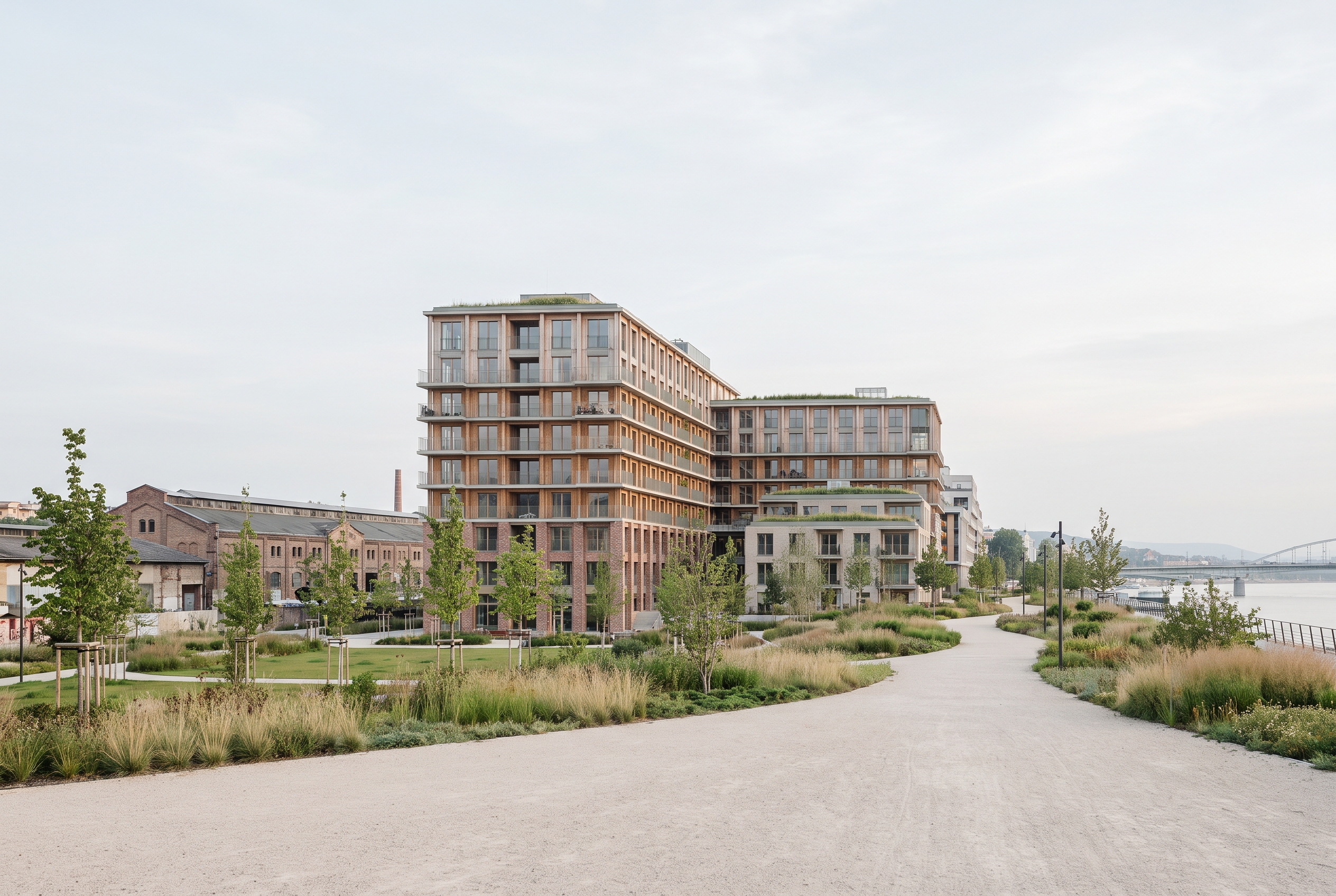
The Metropolitan Public Development Council has made a decision in principle to restart the Ferencváros Student City project. Under the plans, around 12,000 student accommodation places and affordable rental homes could be built with EU funding in a brownfield area in South Pest and North Csepel. We have summarised what has already been firmly decided, what may become clear in the coming weeks, and what all this could mean for university students studying in Budapest and their families.
A decision in principle has been made, with details expected by the end of November
According to a summary published on the capital's website, at its meeting on 1 October 2026 the Metropolitan Public Development Council (FKT) adopted Resolution 11/2026-10-01/FKT, making a decision in principle to restart the Student City project. According to the announcement, the document was signed jointly by Gergely Karácsony and Dávid Vitézy.
The resolution does not, however, yet concern construction. According to the capital's information, the body asked Minister for Transport and Investment Dávid Vitézy to present the directions for the further development of the earlier master plan by 30 November 2026. The concrete plans, timetable and costs can therefore only begin to take shape after that.
Dávid Vitézy announced the restart of the project publicly. According to 444's report, Student City is being restarted through cooperation between the government and the capital, with the key aim of easing the higher education housing crisis. This matters because an urban development of this scale can only move forward if city and government actors are pulling in the same direction.
What would be built in Student City?
According to Telex, the investment would regenerate around 130 to 135 hectares of neglected land in Ferencváros and North Csepel. According to the outlet, the redevelopment would be based on the winning design competition entry by the Snøhetta architecture firm. The renewal of brownfield areas, meaning former industrial sites that have been abandoned or underused, is one of the established tools used by large cities to create new residential districts without further urban sprawl onto greenfield land.
According to articles by Eduline and Telex, the development would include roughly 12,000 university dormitory places. Alongside them, the reports say, sports and cultural facilities, green parks and affordable rental homes would also be built.
On financing, Eduline writes that the investment would be implemented using EU funds. Based on the current announcements, however, nothing certain can yet be said about the exact budget or the timing of the funding.
Why is this important for university students in Budapest?
According to Eduline, there is an acute shortage of dormitory places at universities in the capital, and oversubscription is significant. Those who do not get a dormitory place are typically forced to look for housing on the private rental market, which represents a serious financial burden for many families, especially in the case of students arriving from outside Budapest.
The Telex article starts from the premise that Student City dormitories could save students a significant amount of money compared with renting privately. In practice, however, how large that saving will be depends on what fees and conditions will apply to moving into the new buildings, and no decision has yet been made on that.
A new dormitory capacity for several thousand people could in any case bring a noticeable change in scale. If a student gets an affordable dormitory place, not only do their own expenses fall, but fewer students also compete for the same rental flats. The actual impact, however, depends on when the buildings are completed and at what price they are available.
What still cannot be known?
The current decision is the first step in a longer process. The most important open questions are:
- The timetable: the resolution identifies the presentation of the master plan on 30 November as the next step, but for now there is no public target date for the start of construction or handover.
- Rental charges: the promise of affordable housing is not yet accompanied by specific prices.
- Eligibility: it has not yet been made public who will be able to obtain a dormitory place or rental home, or under what conditions.
- Changes to the master plan: the extent to which the further-developed plan differs from the earlier one may become clear at the November presentation.
What should students and families watch now?
As the project is still at the preparation stage, Student City is unlikely to provide a solution in the near future to the housing difficulties of students who are now starting or continuing their studies. It is therefore still worth paying attention to existing dormitory options and to universities' own application deadlines and conditions.
The next important date is 30 November 2026, when according to the resolution the directions for the further development of the master plan must be presented. Those starting higher education in the coming years, and their parents, may from then on get a clearer picture of when the new places may become available and under what conditions.
Overall, the restart of the Ferencváros Student City promises meaningful help for one of the groups most affected by the capital's housing crisis: university students. The significance of the decision lies primarily in the fact that the capital and the government have jointly restarted the preparatory process through a common resolution. When this will result in dormitories and rental homes, and how affordable they will be, depends on planning decisions in the coming months.
Sources used
- 1.A Fővárosi Közfejlesztések Tanácsának 2026. október 1-jei ülésén hozott határozatokbudapest.huverified
- 2.Újraindul a Diákváros projekteduline.huverified
- 3.Milliókat spórolhatnak a diákok a Diákváros kollégiumaivaltelex.huverified
- 4.Vitézy Dávid: Újraindítjuk a Diákváros projektet444.huverified
These sources were used during our editorial fact check.